History of the Tarot of Marseille
While the Tarot of Marseille card deck is still very much relevant today, it is worth knowing that it carries a heavy past, as its origins trace back to 15th-century Europe.
Hugely popular from the moment it appeared, this card deck captivated the crowds, to the point of intriguing certain people connected to the little-known world of esotericism. And so, some time later, the 22 trump cards contained in the tarot deck would become the main tool of the fortune-tellers and soothsayers one would meet on the roads of bygone days.
The legend was on the march, and the folklore that came with it would turn the tarot deck into one of the most prized pastimes of the era.
The origins of the tarot deck
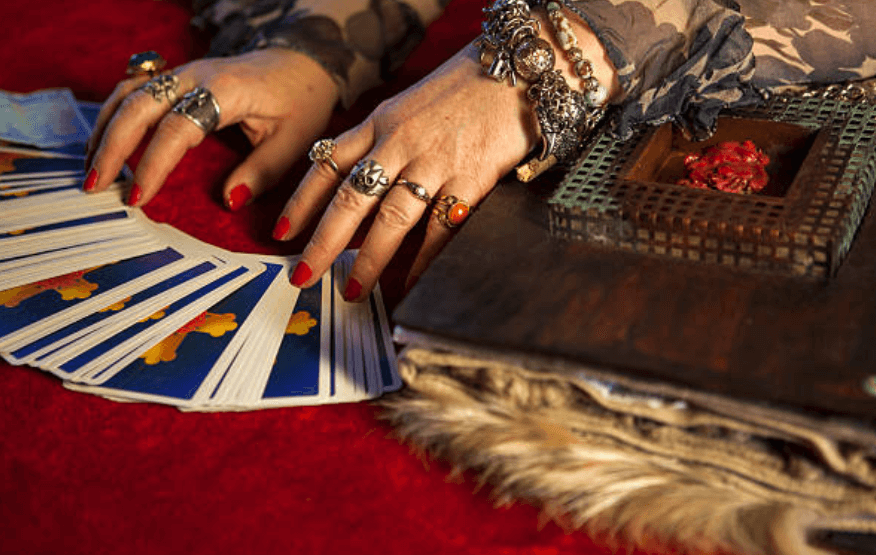
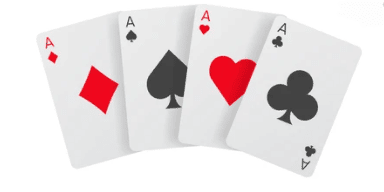
It was during the 14th century that playing cards from Asia, and from China in particular, were brought back to Europe. The Arab merchants who carried them halfway across the globe to reach our lands knew they would meet with great success. And they were right, for Catholics took to the various card games straight away and never let go. The very first playing cards printed by Europeans already featured suits known as “marks,” and the French soon divided these marks into 4 parts: the spade, the heart, the diamond and the club.
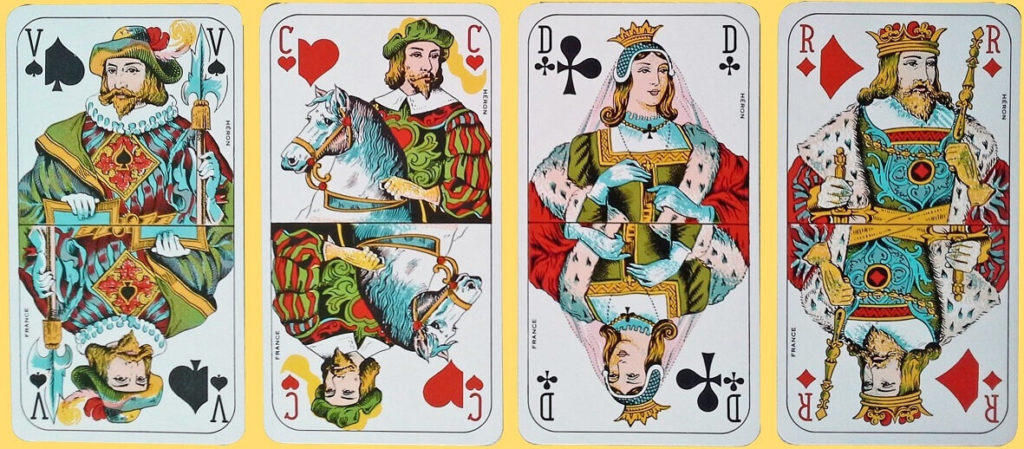
It was a century later, around 1420, that the very first deck of Tarocchi cards was devised in Italy. Like any ordinary deck of cards, it too consisted of 4 suits, each containing ten pip cards running from the ace to the 10. But its first distinctive feature lay in the fact that it displayed 4 court figures while ordinary decks had only 3: the Page, the Knight, the Queen and the King.
The second, far more innovative still, took the form of 22 additional cards, yet quite unusual ones, that would serve as major trumps. It is these 22 cards, always illustrated with figures symbolising strong and profound feelings about human nature that would, a little later, make a name for themselves in the world of esotericism.
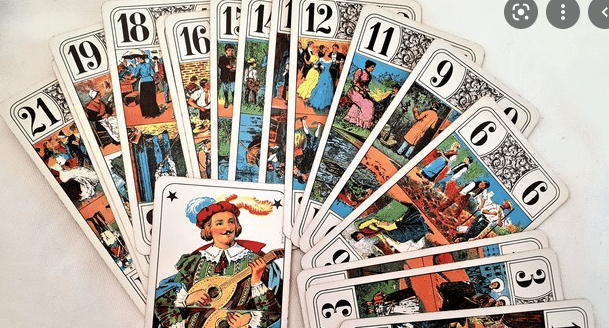
The composition of a tarot deck
Very quickly, this singular deck of cards was brought to France. And it was in the mid-15th century that, under the name tarot, these pip cards making up the coloured suits came to be split into 4 powerful symbols: the sword, the cup, the wand and the coin. As for the famous major cards, the trumps, they would come to represent the essential values of the destinies of the time.
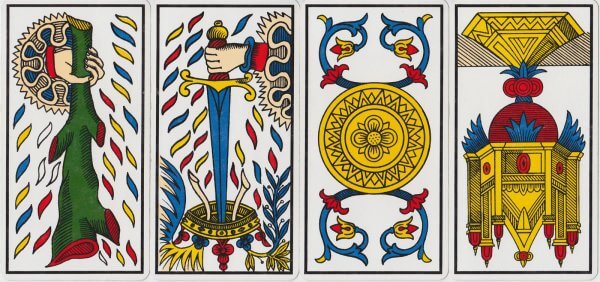
Some would refer to astrology by representing the influential planets that are Venus, Mercury and Apollo. Others would appeal to our deepest feelings, such as our virtues, our riches, our weaknesses, our misfortunes and our pleasures, in the form of figures representing love, chastity, death, fame, time or eternity. With 78 playing cards, 56 minor and 22 major, this tarot deck established during the Renaissance would be the foundation of what would later be called the Tarot of Marseille.
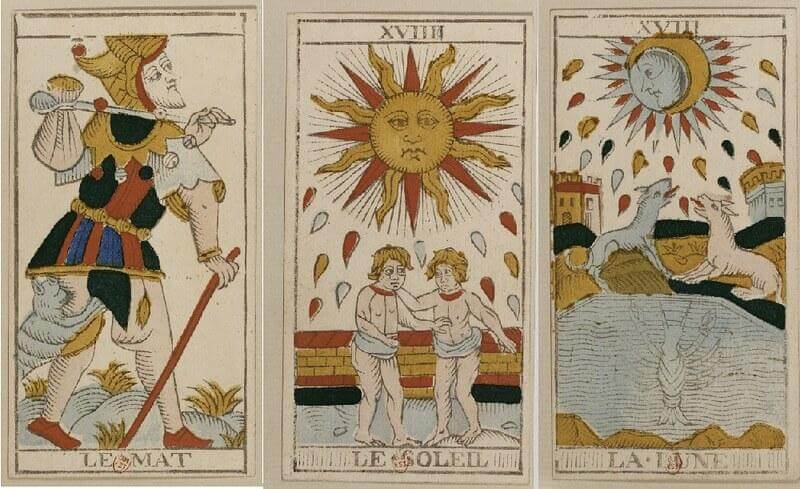
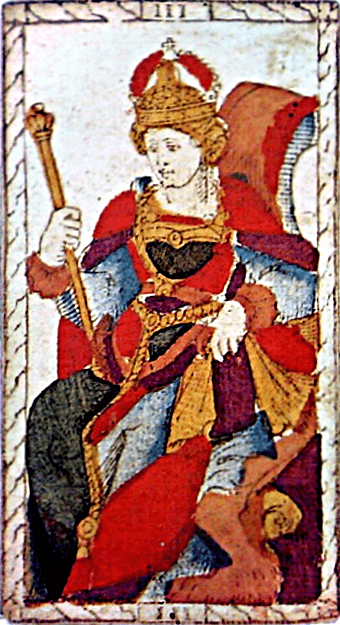
While Italy would soon abandon the Tarocchi for other equally entertaining pastimes, France was more than charmed by this most peculiar deck of cards. And so, over time, various tarot card decks would appear which, though they had the same number of cards, varied in the depiction of the suits and the trump cards.
Known by the names of Tarot of Geoffroy, Tarot of Paris or even Tarot of Conver, these various tarots would all have an influence on the one that would surpass them all: the Tarot of Marseille.
The Tarot of Marseille and esotericism
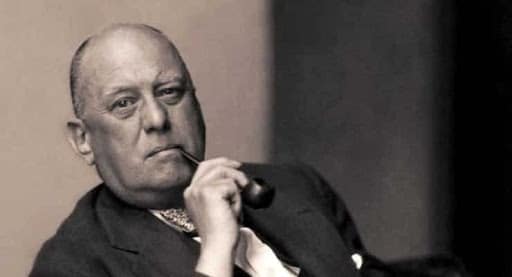
Later on, once the Tarot of Marseille had successfully become the reference tarot practised in France, many writers would associate it with the little-known world of esotericism. These philosophers and men of science, all with singular leanings toward astrology and the parallel world of clairvoyance, would liken the cards of the tarot deck to esoteric visions. One of them, Aleister Crowley, a renowned writer on the taboo subject of occultism, would draw many connections between the tarot trump cards and our destinies.
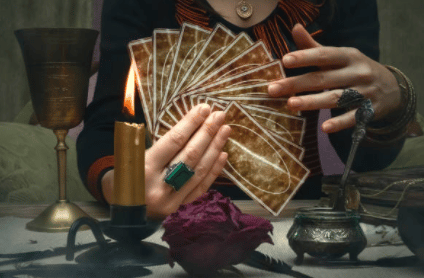
It was therefore following the striking contributions of these renowned men of letters that the Tarot of Marseille deck would be transformed into the main tool of the fortune-tellers and soothsayers of that bygone era.
These women of strongly defined character, often from the Gypsy and Romani communities, were said to have been gifted with a genuine sixth sense. Though this is not something that can be verified. In any case, having been accustomed to foretelling the future in the lines of our hands for many centuries, they would now use tarot cards to do so.
And they all met with real success that made their trade one of the most popular of the moment.
Even so, this somewhat overly theatrical side of clairvoyance ended up doing them harm in the 20th century. For a great many “Madame Irma” figures turned out to be nothing but passing charlatans. All the folklore tied to their trade became, after a time, more harmful than anything else. Some were even wrongly accused of witchcraft, when they had been guilty of nothing more than fraud.
The Tarot of Marseille today
Today, while there are all sorts of tarot card decks, the most popular of them remains the Tarot of Marseille. What is more, what we now call tarot reading is far more rational in its approach than it once was. Indeed, the melodramatic side of bygone days is over, and reading the tarot cards is far more dignified and, above all, pragmatic. The Tarot of Marseille still meets the expectations and questions of those who consult it, with seriousness and professionalism.
This page does not contain child posts!
SOMMAIRE