
Virtues of the Amber Stone
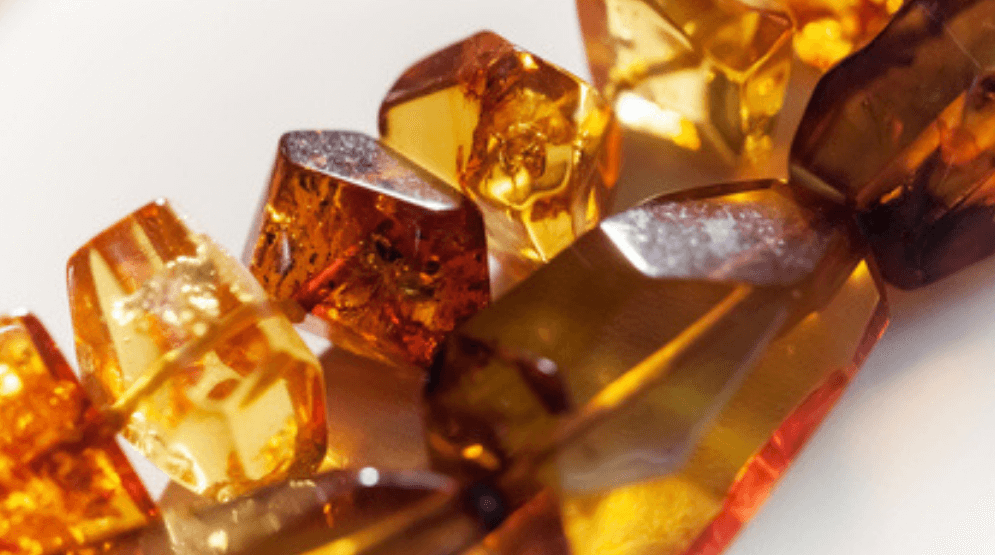
Fossilised resin<\/strong> for millions of years, natural amber<\/strong> fascinates. Its extraordinary yellow reflections<\/strong> remind us of the glow of the sun<\/strong>. But above all, its animal and plant inclusions<\/strong> inspire many beliefs<\/strong>. Still particularly present in our modern culture, this organic gem<\/strong> is prized as much for its beauty <\/strong>as for its benefits<\/strong>.
In alternative medicine<\/strong> and ancestral traditions, amber <\/strong>is the stone of our origins<\/strong>. Associated with immortality<\/strong>, it links us to our life force <\/strong>and to the memory of our species. Thanks to its magnetic properties<\/strong>, it stimulates our immune defences<\/strong> and strengthens our ability to absorb the energy<\/strong> that surrounds us.
Amber<\/strong> is one of the most popular stones<\/strong> in crystal healing<\/strong><\/a>.
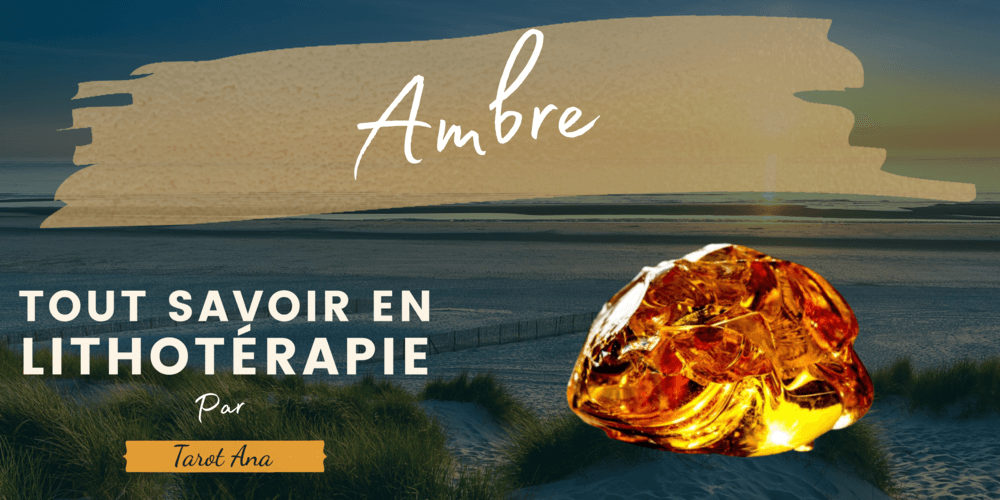
Amber: its virtues and properties in crystal healing
| Nom scientifique | Ambre |
| Lieux d’extraction | Allemagne, Birmanie, Hongrie, Liban, Lituanie, Pologne, République dominicaine, Roumanie, Russie, Ukraine et Sicile |
| Couleurs | Jaune, orange, rouge, brun, bleu, blanc, noir |
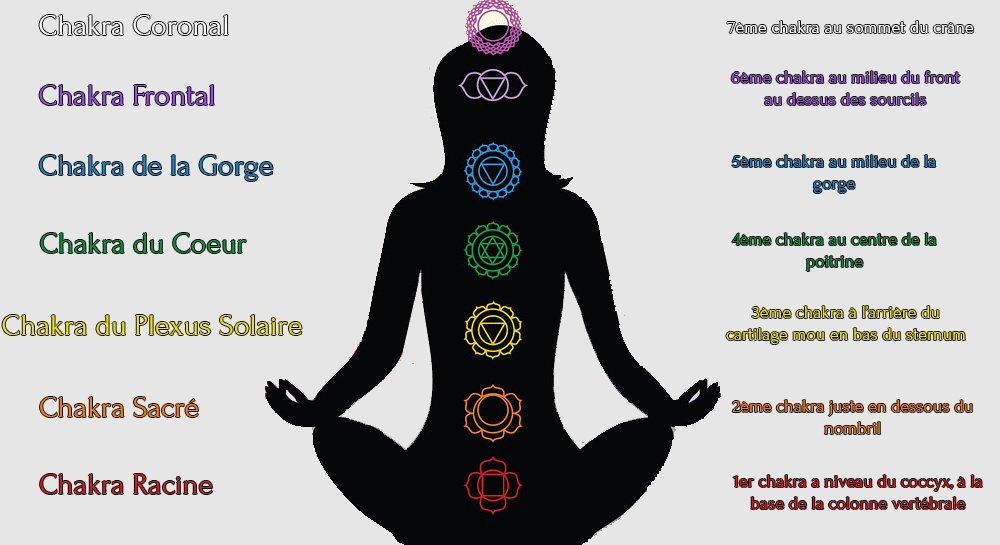
| Chakras | 2me chakra, le Sacré (Svadhistana) ; 3me chakra, le Plexus Solaire (Manipura) ; 5me chakra, la Gorge (Vishuddha) |
| Signes astrologiques | Gémeaux, Lion, Vierge |
| Vertus énergétiques | Guérison, mémoire et apaisement |
Geological formation, composition and characteristics of amber stone
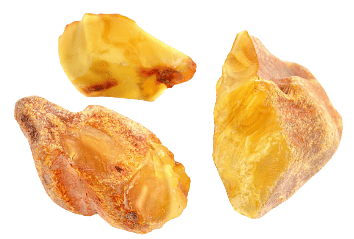
Amber <\/strong>is not a stone like any other. It is born from the resin of a plant<\/strong> that lived millions of years<\/strong> ago! If conditions are favourable, this natural substance fossilises and hardens<\/strong>. It thus preserves its shape and its contents.
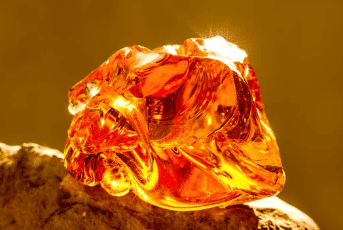
Transformed into an organic rock<\/strong>, amber is recognised by its transparency<\/strong>. It displays magnificent hues<\/strong>, ranging from yellow to orange<\/strong>. Its rare inclusions earn it a very particular reputation in jewellery.
No products found.
A plant formation millions of years old
Yellow amber<\/strong> is a plant resin<\/strong> composed essentially of succinite and isoprene<\/strong>.
When certain precise conditions of heat and pressure<\/strong> are met, the carbon atoms<\/strong> of isoprene<\/strong> polymerise<\/strong>. They then form a denser, more robust structure: amber<\/strong>.
Before its fossilisation<\/strong>, other biological processes come into play, such as oxidation<\/strong>, glaciations<\/strong>, fermentation<\/strong>, soil changes, the thickness of the bark layers, and so on. All play a crucial role in amber’s final appearance.
A great diversity of resins
Amber <\/strong>does not fossilise <\/strong>from a single family of resinous trees<\/strong> alone. Its essence varies according to its original deposit<\/strong> and its period of formation<\/strong>.
It can come from the resin of palm trees, of beeches and chestnuts, of firs, or even of cypresses. It thus exists in diverse and numerous forms. In Europe alone, it has more than 50 plant essences of different origins<\/strong>.
Amber <\/strong>must not, however, be confused with other resinous gems, such as copal <\/strong>derived from flowering plants.<\/em>
A misleading French name
Its name comes from the Arabic al-anbar<\/em>, itself derived from the distorted word anibir<\/em>, meaning « sperm whale ».
Originally<\/strong>, the term « amber <\/strong>» specifically referred to grey amber<\/strong>, which is an intestinal secretion of the marine mammal.
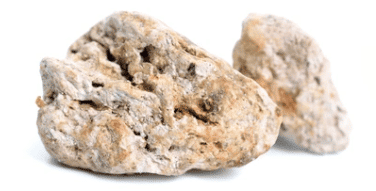
Prized in perfumery<\/strong>, this animal variety<\/strong> shares no common trait with plant amber<\/strong>. For their part, the Greeks <\/strong>called it elektron<\/em>. In Antiquity<\/strong>, this name referred to its electrostatic properties<\/strong>, discovered and demonstrated by Thales<\/strong>.
Extraction, identification and uses of amber stone
Popular<\/strong>, amber appeals to jewellers <\/strong>the world over. It is extracted everywhere<\/strong> and its incredible variety delights them.
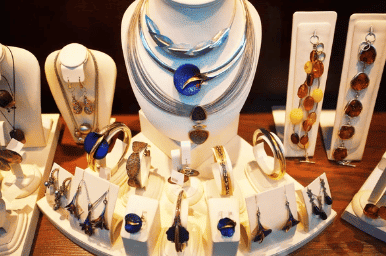
Today, more than 60% of production is destined for China<\/strong>. As deposits are abundant, prices fall every year and amber jewellery<\/strong> remains affordable<\/strong>.
A great variety of ambers in the deposits
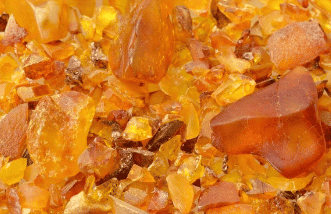
There are currently more than 80 varieties of amber <\/strong>around the world. Every continent has unique deposits<\/strong> offering gems with particular hues and transparency. By its appearance alone, an expert can recognise the origin of an amber<\/strong>. The best known are:
- Baltic amber<\/strong>, or succinite. It is the resin most used in jewellery. Extracted in Russia, Poland and Lithuania, it is recognised by its hues ranging from yellow to black. This amber, 56 million years old, rises to the surface from underwater deposits. Its exploitation dates back to Prehistory;
- Burmese amber<\/strong>, or burmite. It exists in varied colours. It has more animal inclusions. At 99 million years old, it sometimes even contains pieces of dinosaurs;
- Dominican amber<\/strong>. At 16 million years old, its resin remains the youngest. Its hues range from honey to blue. It often presents magnificent plant and animal inclusions. Unfortunately, it is more difficult to extract;
- Lebanese amber<\/strong>. At 130 million years old, it contains the oldest inclusions known to date. Its colour varies from orange to red.
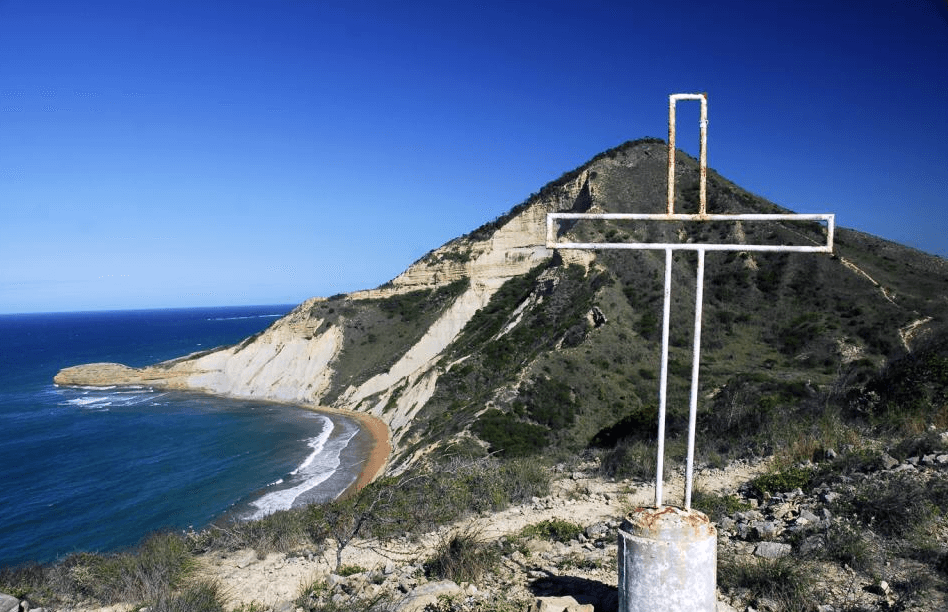
Other minor deposits<\/strong> exist around the world: rumenite in Romania, glessite in Germany, simetite now exhausted in Sicily, and ajkaite in Hungary.
Identifying amber
The popularity of amber<\/strong> inevitably attracts forgers<\/strong>. Many ill-intentioned craftsmen offer counterfeit jewellery<\/strong>. They make them from plastics (ambroid, polybern, galalith, catalin, cellon, etc.) or other resins such as copal.
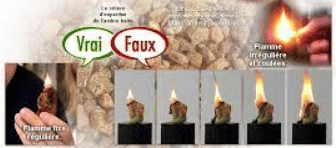
Fortunately, precise tests make it possible to distinguish amber<\/strong>. They are not always enough, however, and often damage your jewellery<\/strong>. If you care about your gems<\/strong>, do not carry out the most abrasive tests yourself. The least dangerous are:
- mild solvents<\/strong>. Amber does not fear products like acetone or nail-polish remover. Plastics, on the other hand, degrade and copal becomes sticky on contact;
- immersion<\/strong>. In slightly salted water, resins such as amber and copal float. Plastic, for its part, sinks straight down;
- the electrostatic reaction<\/strong>. By rubbing a cloth on your amber, you should create static electricity. However, some plastics now manage to reproduce this reaction.
Amber in perfumery
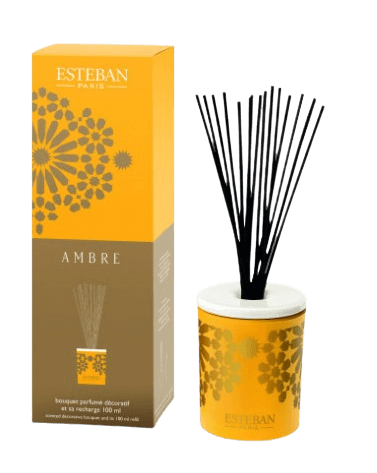
For a long time, in ancient China<\/strong>, amber <\/strong>was used <\/strong>as incense<\/strong>.
At the time, the priests <\/strong>burned it during festivities. It gives off an odour close to pine wood<\/strong>. Transformed into oil, perfumers also blended it with other essences and obtained unique musky scents<\/strong>.
Yet amber <\/strong>actually gives off little odour. Today, modern perfumery<\/strong> uses it only as a reference: the name of a warm<\/strong> and opulent<\/strong> scent<\/strong>.
An above all aesthetic use
Even before mentioning its crystal-healing properties<\/strong>, amber <\/strong>is appreciated above all for its beauty<\/strong>.
Craftsmen work and shape it throughout the world. With it they make magnificent adornments, jewellery, bracelets and pendants<\/strong>, playing on its colours <\/strong>and its inclusions<\/strong>.
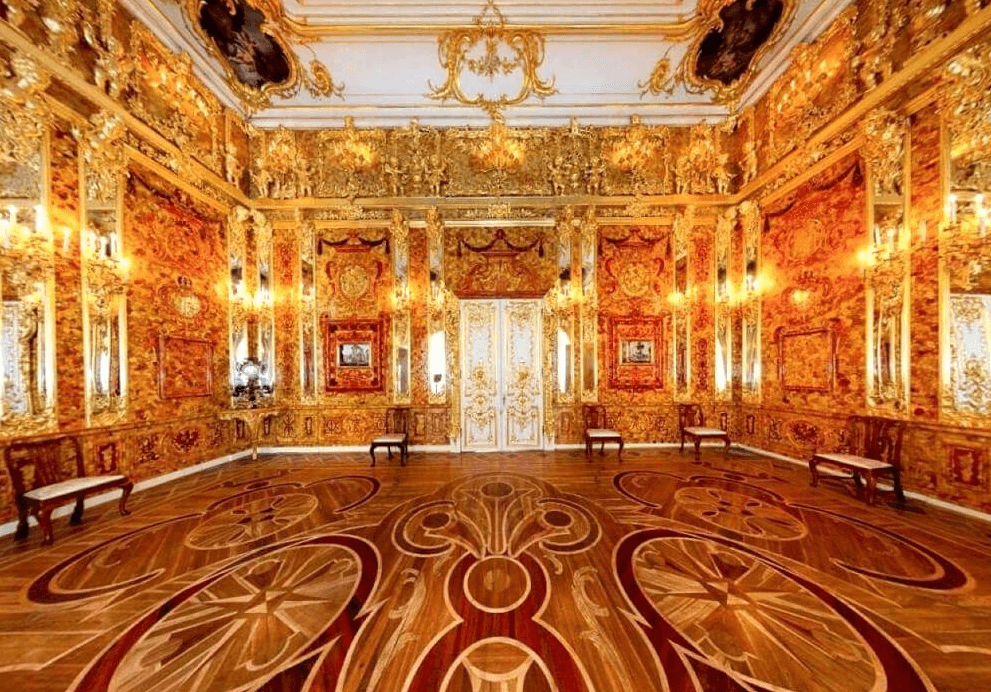
Artists even create impressive sculptures or sets, such as the<\/em> Amber Room<\/em> of the Catherine Palace<\/strong>, in Russia.
For their part, by transforming it into resinous oil<\/strong>, painters turn amber into a fine and smooth glaze<\/strong>, capable of preserving the paint for several centuries.
Amber stone through History
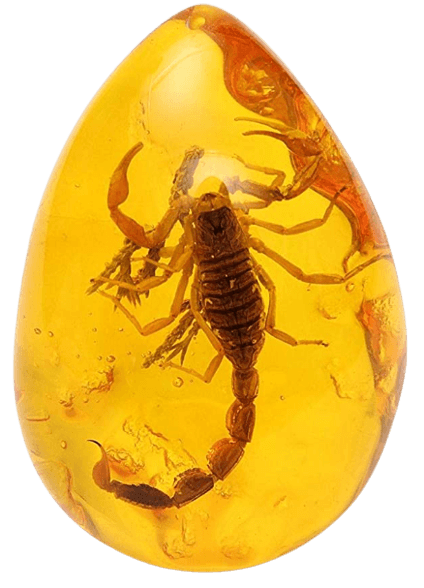
With its unique reflections and its insect inclusions<\/strong>, amber fascinates and impresses<\/strong>.
From its earliest appearances, people attributed to it virtues <\/strong>and powers <\/strong>beyond compare. From Europe to Asia, amber was shaped into jewellery, into works of art<\/strong>, celebrated and worn for its benefits.
A marked prehistoric presence in Europe
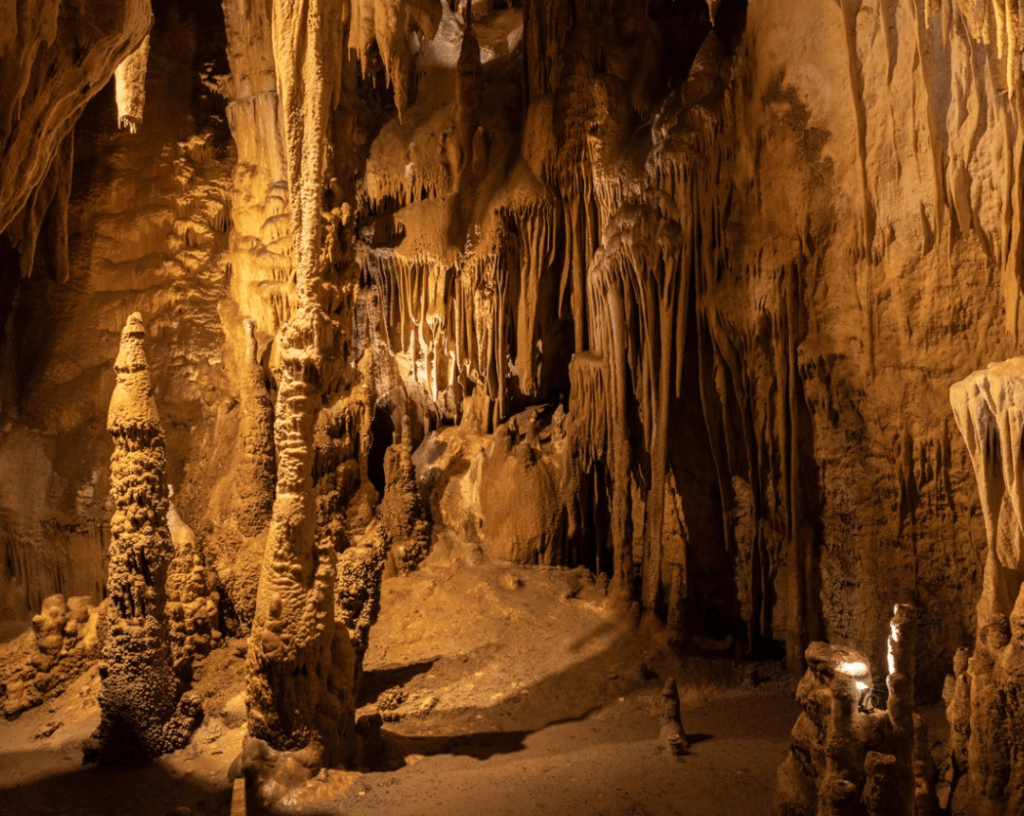
While we know nothing of the rituals <\/strong>of the prehistoric<\/strong> era, the significant presence of amber jewellery<\/strong> in European necropolises<\/strong> is undeniable. Their first known traces go back to the early Aurignacian<\/strong>.
These are fine beads<\/strong>, dated between 39,000 and 30,000 years before our era<\/strong>. Found in the Isturitz cave<\/strong>, in the Pyrénées-Atlantiques, they bear witness to the know-how of the first craftsmen<\/strong>.
The first trade routes
Very early on, amber <\/strong>accompanied people. They created for it the first true trade routes<\/strong>. From the main deposits<\/strong>, notably those located around the Baltic Sea<\/strong>, they transported it towards Europe<\/strong>.
Renowned workshops, recognisable by their style and their favourite motifs, shaped it into jewellery and works of art<\/strong> before trading them.
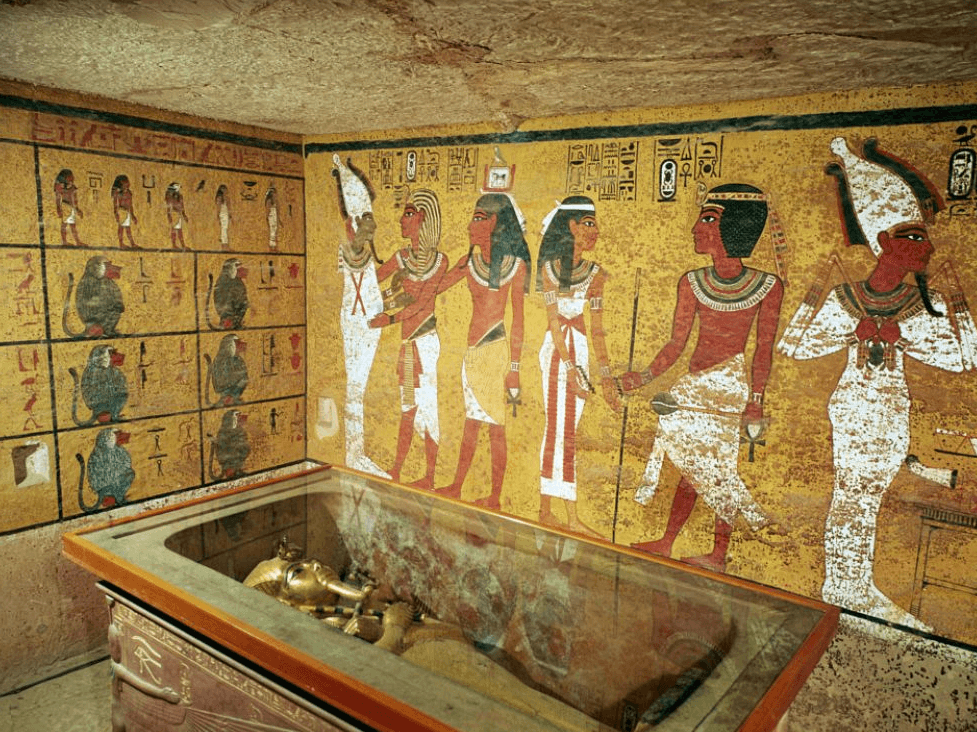
The amber <\/strong>trade routes<\/strong> endured into Antiquity and the Middle Ages<\/strong>. The Egyptians, the Mycenaeans and the Celts imported the organic gem<\/strong> from the far reaches of their known world. The amber adornments<\/strong>, found in the funerary chamber of Tutankhamun<\/strong>, bear witness to this intense commercial activity<\/strong>.
The Baltic myth: the tears of Jūratė
In Antiquity<\/strong>, many peoples of Eastern Europe saw in yellow amber<\/strong> the crystallised tears of their gods<\/strong>.
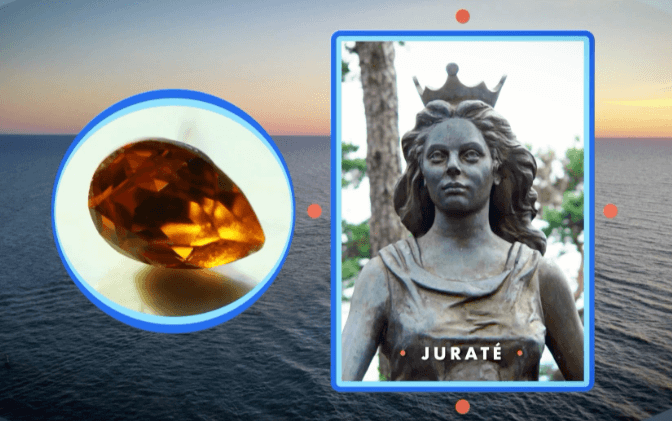
Those of the Baltic <\/strong>imagined that the amber stones<\/strong> came from the fabulous underwater palace of Jūratė<\/strong>. Floating in the sea, they represent the tears of the goddess of the mermaids<\/strong>. At the bottom of the water, Jūratė <\/strong>weeps continually in her ruined palace<\/strong>, destroyed after she betrayed her fiancé with a sailor.
The Greek myth: the weeping of divine trees
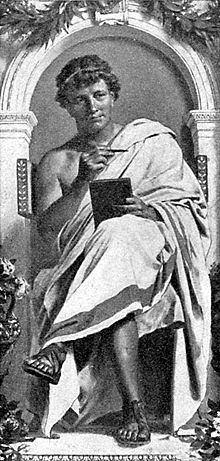
Early in Antiquity<\/strong>, the Greeks <\/strong>understood that amber <\/strong>is a plant resin<\/strong>. The scholars of the time debated its origin<\/strong>. Did it come from the poplar, the alder, the fir?
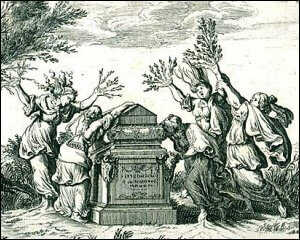
The poets, such as Ovid<\/strong>, nevertheless wrote other stories about it. Under their pens, amber <\/strong>became a tear<\/strong> once again. They tell that, for having badly driven the divine solar chariot, Helios executed his son<\/strong>, Phaethon.
After his death, his sisters <\/strong>were transformed into trees<\/strong>. It is their infinite tears<\/strong> that give birth to amber gems<\/strong>. This is why Latin women<\/strong> wear them around their neck<\/strong>: amber offers them eternal youth<\/strong>.
The Chinese and Roman myth: a stone of immortality
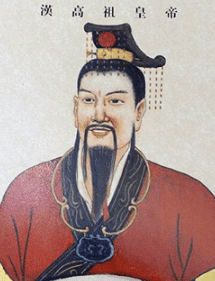
Many traditions see in the animal<\/strong> and plant <\/strong>inclusions of amber <\/strong>a sign of immortality and eternal youth<\/strong>. Thus, the two most powerful empires of Antiquity<\/strong>, the Romans and the Chinese, granted it this virtue<\/strong>.
In the 2nd century before our era, under the Han dynasty<\/strong>, men wore it on them at all times. In the form of a ring<\/strong>, it offered greater virility<\/strong>, whereas carved <\/strong>into a small animal, it promoted fertility<\/strong>.
A sleight of hand
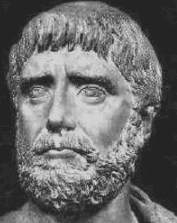
By rubbing it against fur<\/strong>, hair and fibres rise<\/strong> on contact, and light objects lift up.
As early as Antiquity<\/strong>, the Greek scholar Thales of Miletus<\/strong> discovered the electrostatic properties of amber<\/strong>.
Thus, over the course of history, many conjurers used amber<\/strong> to impress the crowds.
The spiritual bonds of amber stone
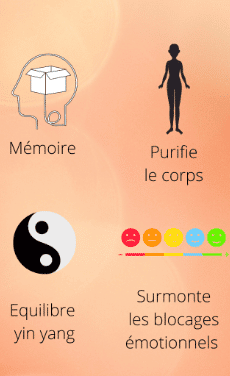
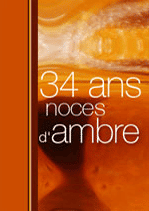
Symbol of immortality<\/strong>, amber <\/strong>holds a central place in all the cultures of the world. From Asia <\/strong>to America<\/strong>, it crosses the globe along the trade routes<\/strong> and takes on strong symbolism.
Among couples<\/strong>, it notably celebrates 34 years of marriage<\/strong>.
Stone of memory<\/strong>, amber <\/strong>soothes your soul and strengthens your body.
Amber and the Buddhist chakras
Since Antiquity<\/strong>, Asian cultures<\/strong> have used amber <\/strong>in perfumery<\/strong>, but it also holds an important mystical place<\/strong>.
The Buddhist <\/strong>religion took hold of it quickly. The monks shaped it and inlaid it in sumptuous Buddhas made of gold<\/strong> and of precious stones<\/strong>.
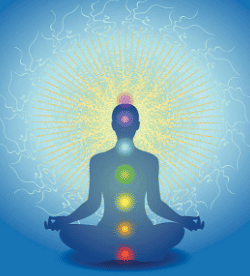
To enjoy the benefits of amber<\/strong>, they make jewellery and rosaries<\/strong> that they wear daily. The stone acts on the seven chakras<\/strong> of the energy body<\/strong>, but it particularly favours:
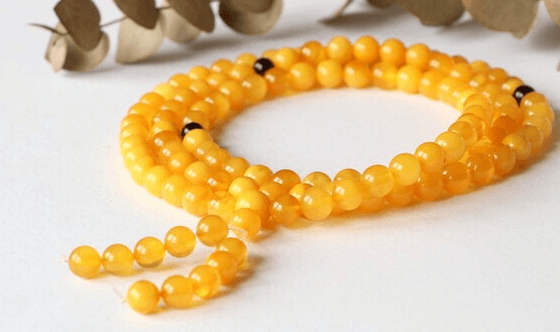
- the 2nd chakra<\/strong>, the Sacral<\/strong> (Svadhistana). It is sensitive to its sexual power<\/strong>, as much aphrodisiac as regenerating;
- the 3rd chakra<\/strong>, the Solar Plexus<\/strong> (Manipura). Applied to this point, it helps us to reconnect <\/strong>with our life force, our emotions <\/strong>and our will;
- the 5th chakra<\/strong>, the Throat<\/strong> (Vishuddha). Thanks to the stone, our communication and creativity<\/strong> abilities are strengthened.
Amber and the signs of the zodiac
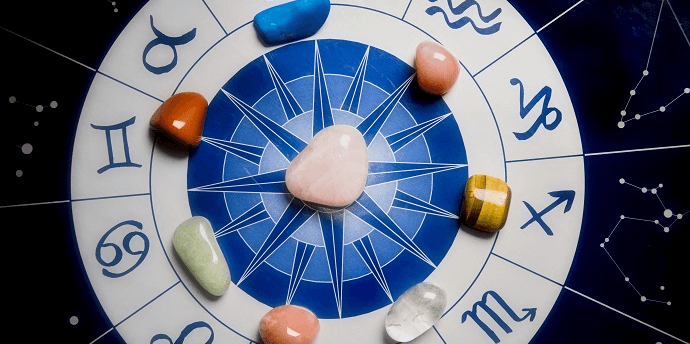
In the West<\/strong>, like all gems, amber <\/strong>is associated <\/strong>with astrological signs<\/strong>. It supports in particular:
- Gemini<\/strong>. Born between 22 May and 21 June, this air sign appreciates its intellectual and creative<\/strong> virtues;
- Leo<\/strong>. Born between 24 July and 23 August, this fire sign responds to its solar strength<\/strong> and its vitality <\/strong>;
- Virgo<\/strong>. Born between 24 August and 23 September, this earth sign evokes its impassive hold over time and its immortality.<\/strong>
Amber stone in alternative medicine
To reconnect <\/strong>your deep self<\/strong> to nature<\/strong>, gentle medicines are ideal. They support the healing of your body and your soul<\/strong>.
Energy practices<\/strong>, daughters of millennia-old knowledge, rest on the harmony of the natural forces<\/strong> that circulate within you<\/strong> and around you<\/strong>. Fine and precious stones<\/strong> therefore hold a very particular place in them.
Their mysterious virtues<\/strong> have fascinated humanity forever. They purify <\/strong>you and lead you towards inner peace<\/strong>.
Feng shui to harmonise your home

Feng shui<\/strong> holds a central place in China<\/strong>. Its practice, which goes back several millennia, purifies your living spaces and harmonises the energies<\/strong> that reside there. It favours your overall health<\/strong> and your success <\/strong>in daily life. By arranging your home in an ideal way, you guide the positive and negative forces<\/strong> that accompany you.
In feng shui<\/strong>, amber <\/strong>is considered a precious organic stone<\/strong>.
By drawing its strength from the solar star<\/strong> and from the earth<\/strong>, it enlivens the circulation of the energies<\/strong> of your home and softens negative thoughts<\/strong>.
Its presence also strengthens <\/strong>your concentration <\/strong>and your learning abilities<\/strong>. It proves ideal for studying as well as for meditating<\/strong>. Placed in a place of healing<\/strong>, amber <\/strong>favours the regeneration of your body<\/strong>.
Radiesthesia to identify your malaise
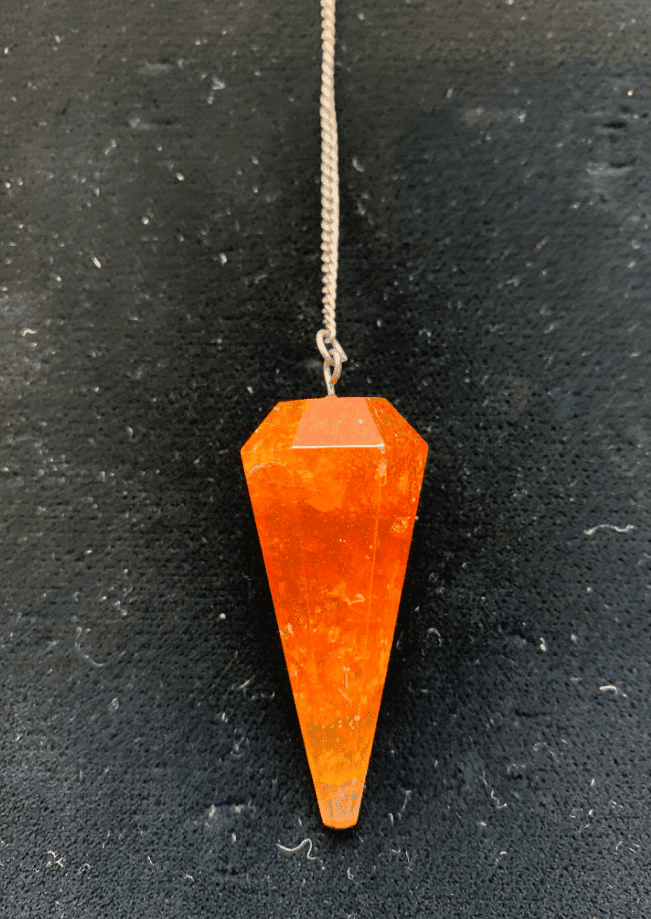
In radiesthesia<\/strong>, the vibratory potential of stones<\/strong> also plays a crucial role. They capture the energies<\/strong> of bodies and objects<\/strong>.
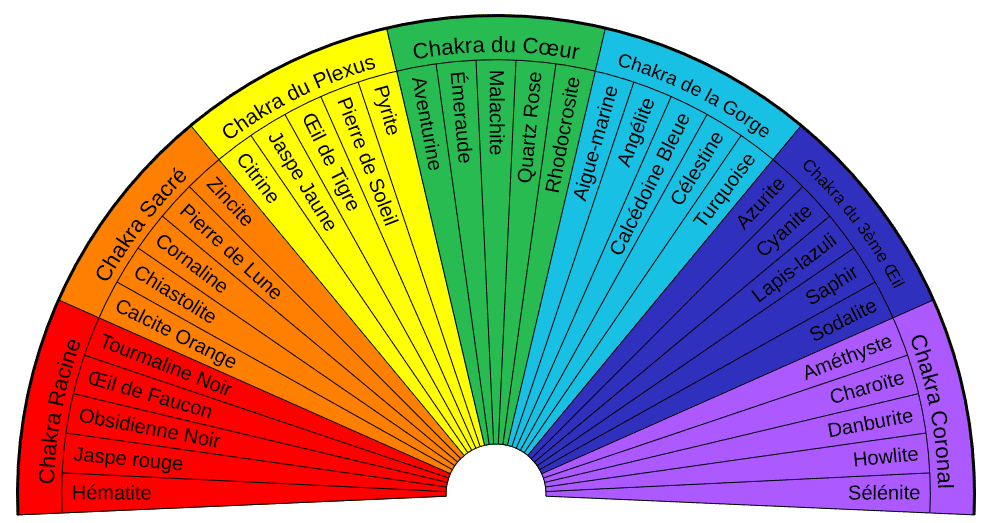
Shaped into pendulums<\/strong>, they indicate to the dowser <\/strong>on their Bovis chart <\/strong>what your pathologies<\/strong> are.
Thanks to its spiritual benefits<\/strong>, the amber pendulum<\/strong> acts on your quickness of mind<\/strong>. It efficiently detects the ills <\/strong>that affect your soul<\/strong>.
Since it is receptive to the seven chakras<\/strong>, it also detects those of your energy body as well.<\/strong>
Crystal healing to regenerate your body
Crystal healing <\/strong>is the fruit of thousands of years of traditions. It draws its knowledge from cultures the world over and its methods are gentle and natural<\/strong>. It supports your healing <\/strong>and accompanies your recovery<\/strong>. At present, science recognises only a contextual effect in it, however. It therefore figures among the non-conventional<\/strong>, alternative <\/strong>and complementary <\/strong>medicines.
Crystal healing <\/strong>resorts to the vibratory powers of fine and precious stones<\/strong>. It is these that strengthen your natural healing abilities<\/strong>.
Worn as jewellery<\/strong>, they help your three bodies<\/strong> to face pathologies<\/strong>. Craftsmen make quality bracelets and pendants<\/strong>. Intended particularly for crystal-healing<\/strong> practice, they let you enjoy the virtues of amber<\/strong> daily.
Warning: the benefits <\/strong>attributed to amber <\/strong>are only indicative and stem above all from personal beliefs! The use of stones never replaces a therapy prescribed<\/strong> by a doctor. Our jewellery supports and strengthens<\/strong> your natural healing abilities, but it does not substitute<\/strong> for a conventional treatment. If you suffer from a pathology, always consult a health professional!<\/em>
Maintaining and revitalising your amber stone
When you wear a fine stone<\/strong> on you, it draws on its vibratory energy<\/strong> to support you. Amber<\/strong>, although it differs from the other rocks, discharges<\/strong> its positive energy<\/strong> just as much over time. It loses its benefits<\/strong> and fills up with bad waves<\/strong>. To restore its crystal-healing effectiveness<\/strong>, you simply need to carry out a few simple rituals.
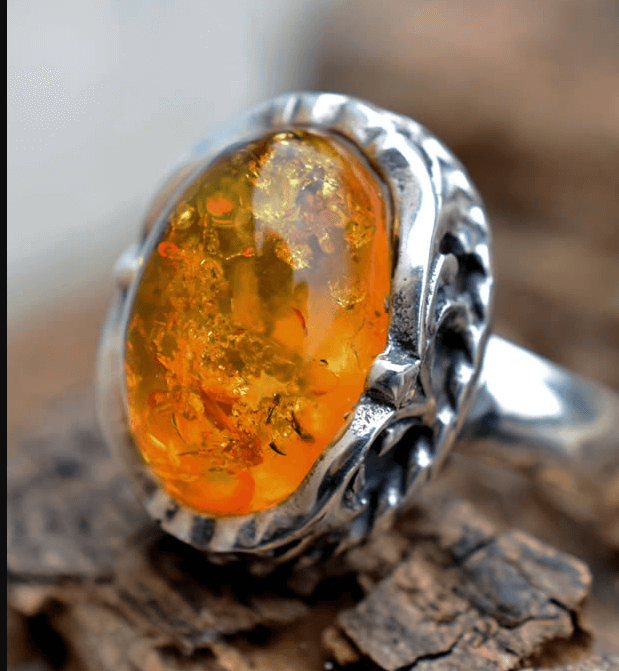
Cleaning your amber
Amber <\/strong>is a fragile gem<\/strong> that fears abrasive materials. Handle it with care!
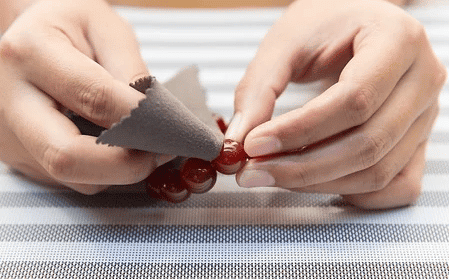
To purify it without damaging it<\/strong>, rub it gently with a cloth soaked in cold mineral water. Its neutral charge demagnetises your jewel. It thus rids itself of all its energies, positive as well as negative. Above all, do not plunge it into water<\/strong> directly. You would risk degrading your amber and detaching it from its setting.
Over the months, amber <\/strong>can also tarnish<\/strong>. Wearing the jewel, perspiration, perfume and rubbing: all are elements that tend to dull it. To restore its natural shine<\/strong>, rub it delicately with soapy water. As a complement, a cloth soaked in vegetable oil<\/strong> nourishes your stone and gives back its brilliance<\/strong>.
Recharging your amber
Amber <\/strong>is not a fine stone <\/strong>like the others. Born of the living, it maintains a powerful bond with the sun<\/strong>.
The morning light<\/strong> energises<\/strong> it. To enjoy its benefits<\/strong>, recharge it <\/strong>therefore once a week under the rising star<\/strong>.
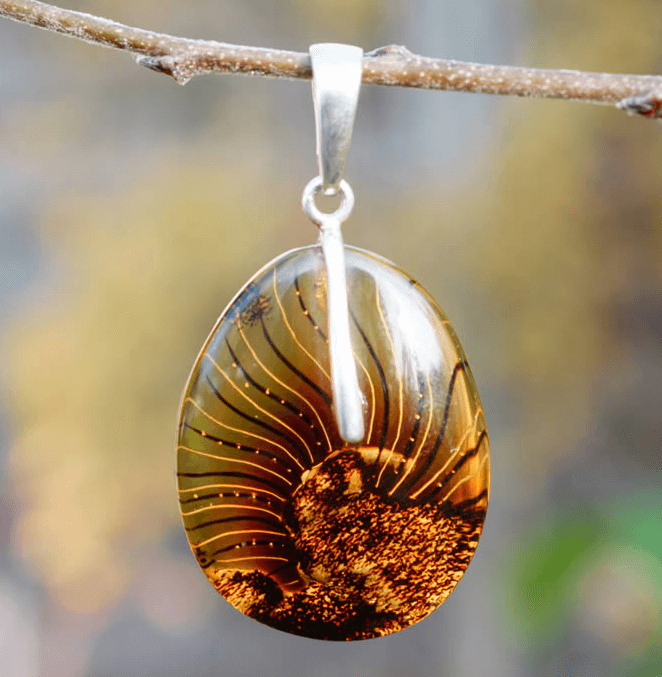
A few hours are amply enough. If you are going through a difficult period, do not hesitate to strengthen the virtues of your amber<\/strong> by repeating this ritual every morning. Avoid, all the same, prolonged exposure in summer. Like all resins, amber tolerates heat poorly<\/strong>.
Virtues and benefits of amber stone
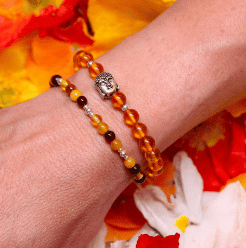
Bound by essence to electricity, amber <\/strong>possesses unique properties in crystal healing<\/strong>. Its negative ions<\/strong> reduce your stress<\/strong> and soothe your mind<\/strong>.
They improve your sleep<\/strong> and strengthen <\/strong>your immune system<\/strong>. Wear it as a pendant or a bracelet<\/strong> to enjoy its many benefits.
Combining amber with other fine and precious stones
In crystal healing<\/strong>, each stone <\/strong>possesses its own virtues<\/strong> and can be combined <\/strong>with other gems<\/strong>. Worn together, their vibrations resonate in unison<\/strong>. They then strengthen one another and multiply their respective benefits<\/strong>. Certain combinations <\/strong>should be avoided, but others prove incredible on the energy <\/strong>level.
- If you wish to heighten the soothing virtues<\/strong> of your amber<\/strong>, turn to amethyst<\/strong>, lepidolite, chrysocolla, tourmaline or blue sapphire.
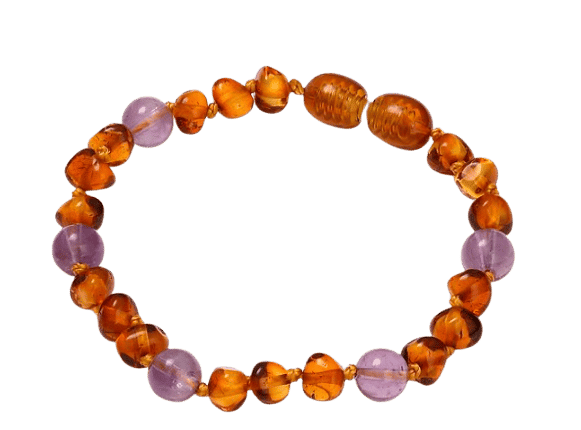
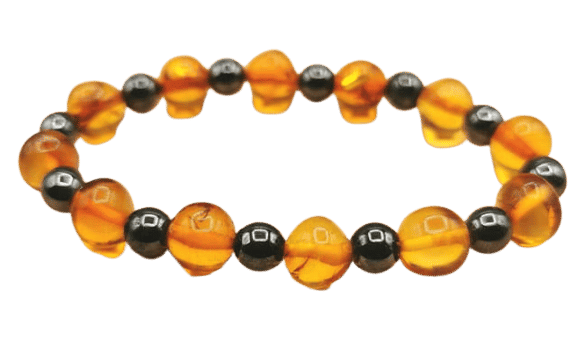
- Are you rather seeking to improve your blood circulation<\/strong> ? Then add to your jewel some almandine<\/strong>, hematite, rock crystal or garnet.
- Finally, simply to amplify the effects of your amber<\/strong>, choose a moonstone<\/strong> or a rock crystal<\/strong>. They will support each other wonderfully.
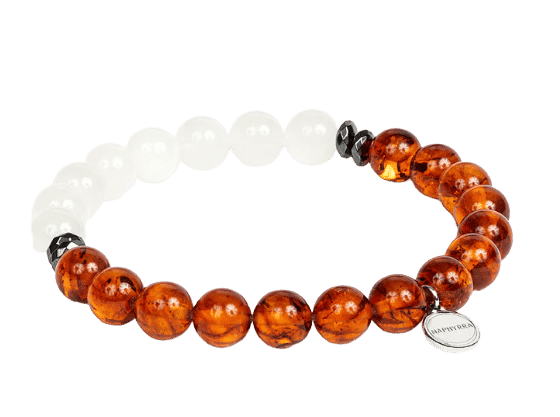
When you combine your stones with one another, you can also rely on their common bonds with the various chakras<\/strong>. Since it acts on the Sacral <\/strong>and the Solar Plexus<\/strong>, amber <\/strong>pairs perfectly with them.
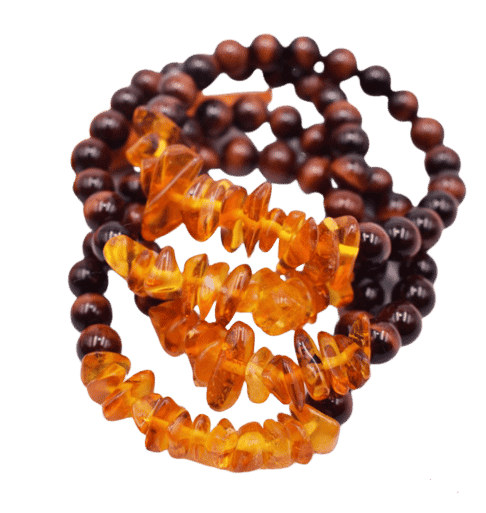
Many crystal-healing practitioners prefer to pair their stones according to their colours<\/strong>.
More aesthetic, this type of combination often proves remarkable.
The benefits of stones<\/strong>, their bonds with the chakras<\/strong> and with the astrological signs<\/strong> indeed depend in large part on their hues<\/strong>. Thus, amber accompanies<\/strong> wonderfully the imperial topaz<\/strong>, the carnelian<\/strong>, citrine, chrysoberyl, fire opal, yellow sapphire, sphene or sunstone.
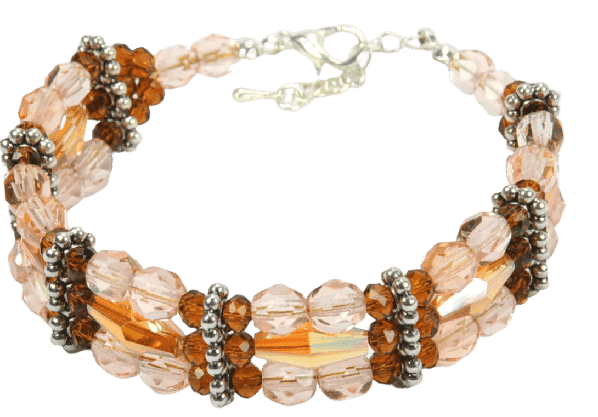
The spiritual, mental and psychological virtues of amber
Stone of protection<\/strong>, amber <\/strong>acts on your mind<\/strong>. It strengthens your emotional stability<\/strong> and soothes <\/strong>psychological agitation. On the spiritual plane<\/strong>, amber <\/strong>:
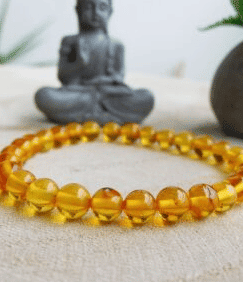
- promotes self-affirmation;
- supports the expression of your personality;
- helps you to concentrate;
- develops your reasoning abilities;
- fights against stress and anxiety;
- combats depression;
- wards off nightmares;
- improves your sleep;
- stimulates the absorption and incorporation of spiritual energies;
- awakens the wisdom that slumbers within you;
- guides you towards your inner treasures;
- revives your earlier memories.
The bodily and physical virtues of amber
Known for its palette of physical properties<\/strong>, amber <\/strong>lets your body enjoy its many virtues<\/strong>. It influences your organism<\/strong> and strengthens<\/strong> it. Its benefits <\/strong>prove ideal for young children<\/strong>. On the physical plane, amber <\/strong>:

- relieves dental pain, particularly that of infants;
- calms menstrual pain;
- reduces muscular and joint fatigue;
- warms your physical body;
- stimulates your immune system;
- diminishes the unwanted effects of chronic fatigue;
- combats skin problems;
- decongests the throat;
- clears the respiratory passages;
- fights against sore throats;
- keeps colds away.
No products found.
You will also like



This page does not contain child posts!
SOMMAIRE