
Virtues of the Jade Stone
Prized in crystal healing, jade is surrounded by mysteries and legends. Many peoples have known and used its benefits for millennia. Stone of emperors, it permeates countless traditions across the world.
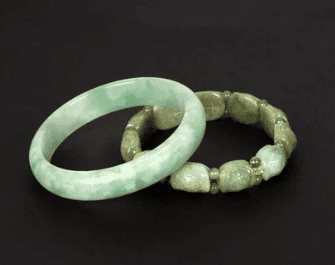
Jade brings longevity and good fortune. A symbol of honesty, it strengthens your communication skills. It thus ensures you good business relationships. Worn as a bracelet, a pendant or a tumbled stone, it stimulates your immune system and protects your kidneys. Discover the characteristics and history of the jade stone.
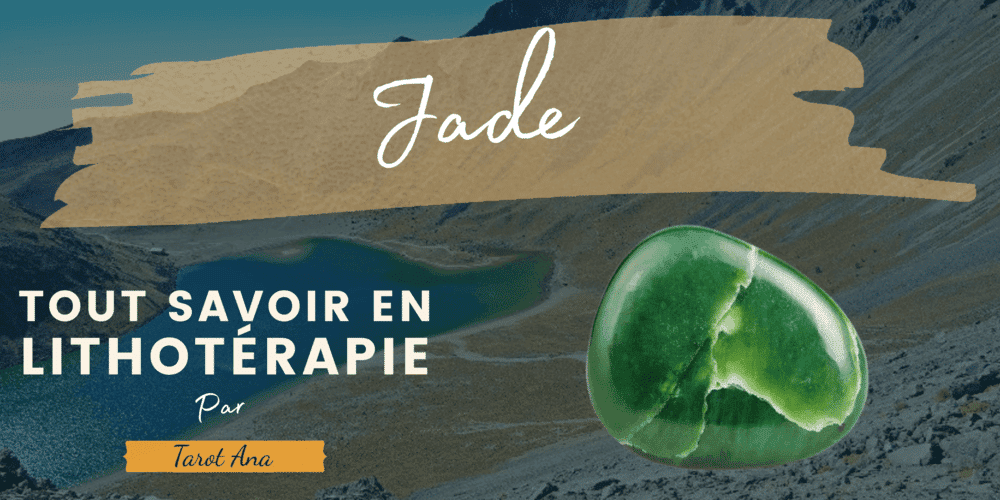
Jade: its virtues and properties in crystal healing
| Noms scientifiques | Jadéite, néphrite, kosmochlor |
| Lieux d’extraction | Australie, Birmanie, Canada, Chine, Guatemala, Italie, Japon, Mexique, Nouvelle-Zélande, Russie, USA |
| Couleurs | Blanc, jaune, rouge, gris, bleu, violet, vert |
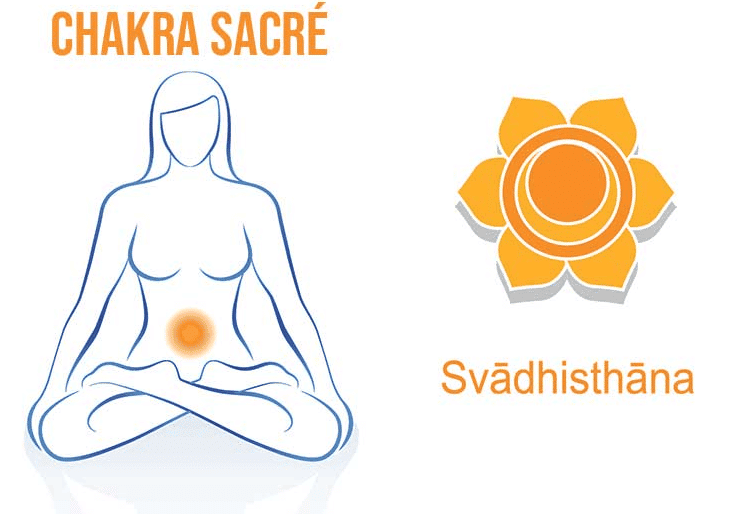
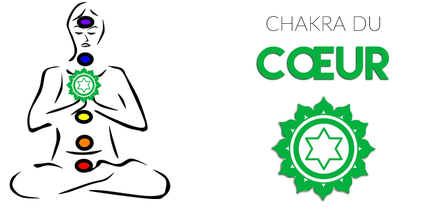
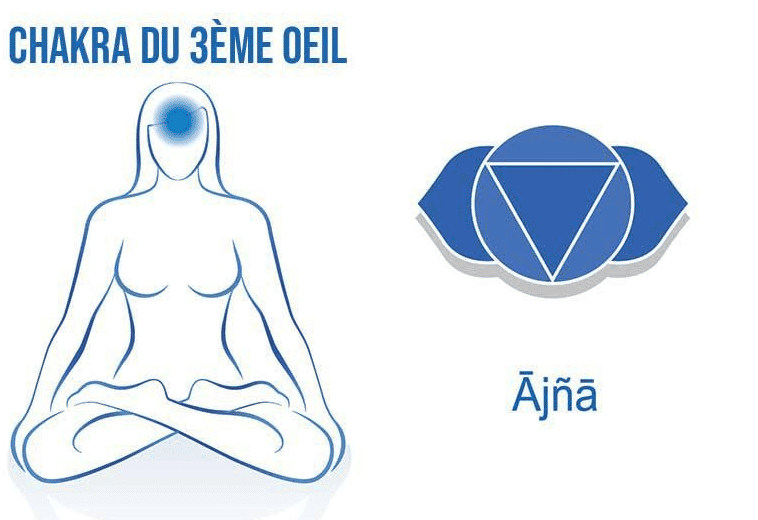
| Chakras | 2me chakra, le Sacré (Swadhisthana), 4me chakra, le Cœur (Anahata), 6me chakra, le 3me Œil (Ajna) |
| Signes astrologiques | Cancer, Balance, Poissons |
| Vertus énergétiques | Guérison, communication et prospérité |
Geological formation and composition of the jade stone
The vernacular name jade actually covers three distinct families of minerals : jadeite, nephrite and kosmochlor.
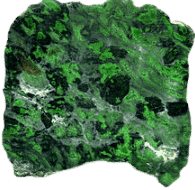
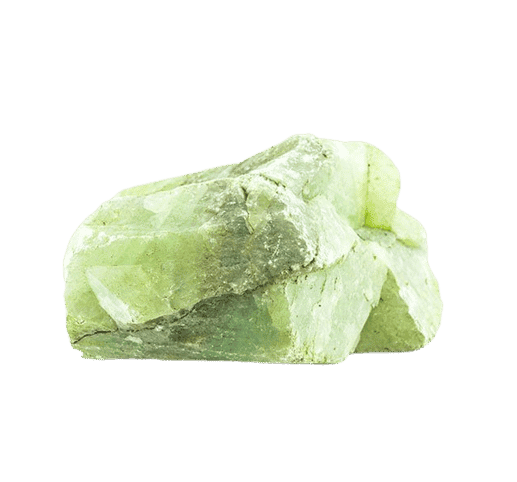
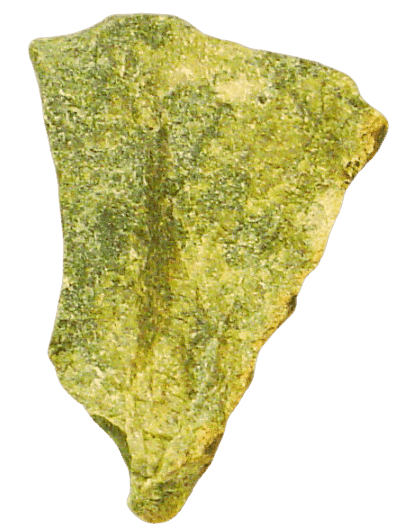
They feature a wide variety of colours and shapes.
Belonging to the class of inosilicates, they share a common crystallographic structure, specific to the rocks known as pyroxenes. The three jades have similar vibrational levels and almost identical benefits. They are often confused in crystal healing.
No products found.
Nephrite, a common jade
On a planetary scale, nephrite is a common mineral. The vernacular name often refers to this less costly stone. Its composition, however, differs from the two other jades: it is made of calcium, magnesium, silica and oxygen.
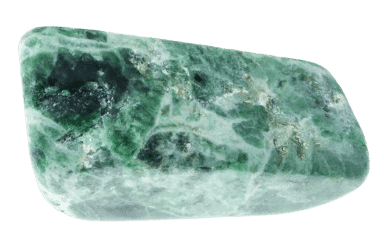
Its rating on the Mohs scale and its density are relatively low. Its hues range from white to green.
An amalgam of rocks
Actinolite, a ferromagnesian mineral, forms within magmatic and volcanic rocks.
Under certain conditions of pressure and temperature, it crystallises differently. It loses its free water and cleaves in a new direction.
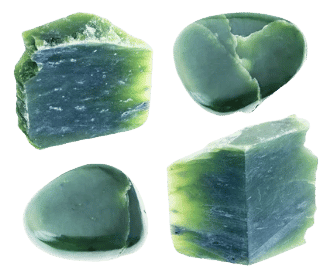
It then becomes a pyroxene rock, by the name of nephrite or jade. Depending on the amount of iron present in the stone, it displays a more or less dark hue.
Jadeite, a rare jade
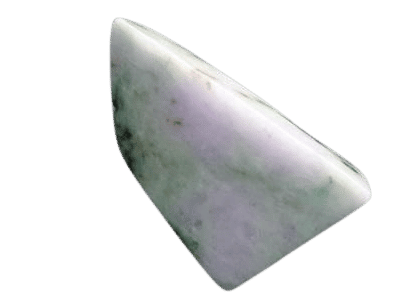
Jadeite is rarer in its natural state than nephrite. It is composed of sodium, aluminium, silica and oxygen. Its greater density also sets it apart. Its colours range from white to blue, passing through red.
Precise formation conditions
Jadeite appears within serpentinised ultramafic or metamorphic rocks. Its formation requires high pressure and a low temperature. The traces of transition materials, such as iron, titanium or manganese, account for its colour variations.
Kosmochlor, an imperial jade
Kosmochlor shares with jadeite a chemical composition in similar quantities: sodium, silica and oxygen. A chromium salt replaces the aluminium and gives the mineral a deep emerald green.
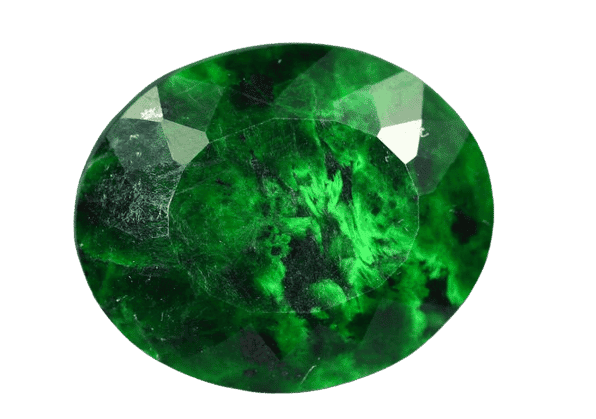
Denser than jadeite, kosmochlor is distinguished by its vitreous and translucent appearance.
An extraterrestrial formation
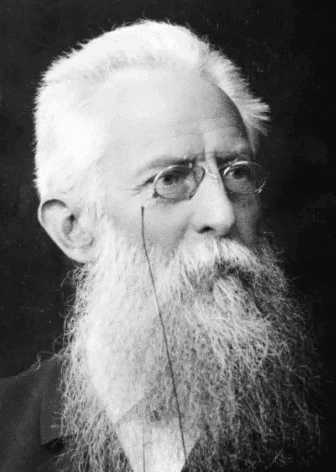
In its natural state, small quantities of kosmochlor appear within ferrous meteorites. This extraterrestrial origin inspired Hugo Laspeyres, its discoverer, to give it its name: kosmischel khlôros, the cosmic chlorine.
Amalgamated with jadeite in the deposits of Burma, it metamorphoses. It then yields a unique variety: imperial jade.
The crystal-healing virtues of the different jades
While nephrite, jadeite and kosmochlor share the same crystal-healing virtues, each one stands out by its speciality.
- Characterised by its benefits for meditation, jadeite brings you inner peace.
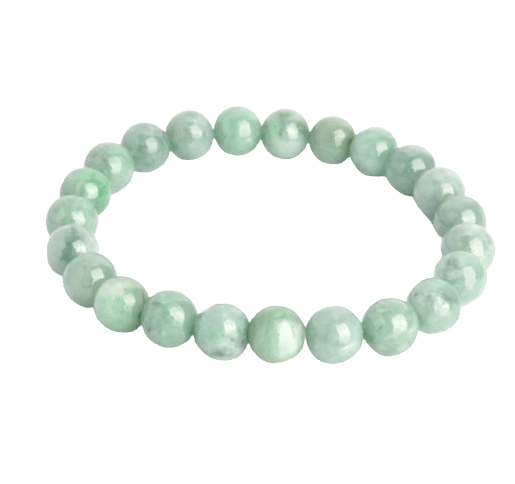
- Kosmochlor, an essential component of imperial jade, fosters honesty and cordial relationships.
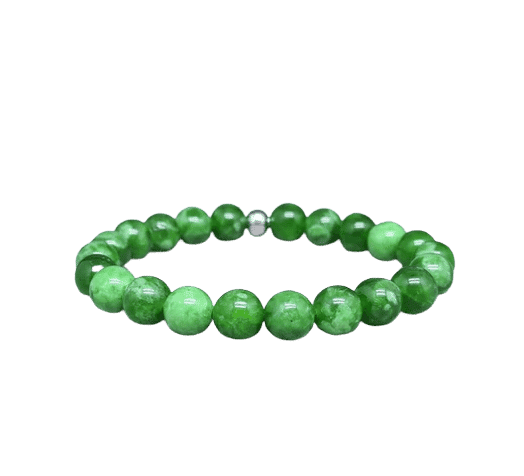
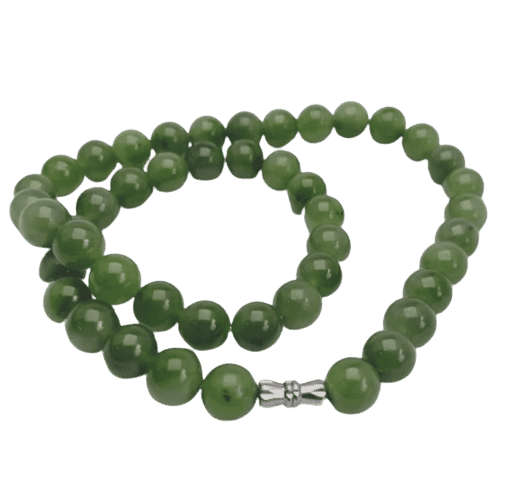
- And if you are looking for a jade to relieve your kidney and urinary conditions, choose nephrite.
Extraction and use of the jade stone
Since Prehistory, the various jades have been extracted on every continent. Their deep hues and their unique appearance captivate peoples. Even though China remains the largest historical consumer of jades, this stone is now gaining popularity all over the world.
Different deposits depending on the jade
The places where jade is extracted depend on its mineral of origin.
Found everywhere on the planet, nephrite is extracted in Australia, Burma, Canada, China, Guatemala, Japan, Mexico, New Zealand, Russia and the USA.
Jadeite, rarer, comes mainly from the deposits of Burma. Two other minor workings nevertheless exist in Guatemala and Russia.
Kosmochlor is extracted in small quantities from the Canyon Diablo ferrous meteorites in the United States and Toluca in Mexico, as well as at Mocchie in Italy. Its emblematic deposit lies in Burma. Amalgamated with jadeite, kosmochlor takes the unique name of imperial jade.

Aesthetic and therapeutic uses
Jade is used neither by industry nor by science. Since Prehistory, its working and extraction have been intended for a ritual, magical or aesthetic use. Craftsmen thus shape the three minerals into jewellery, statuettes, tableware and cult objects.
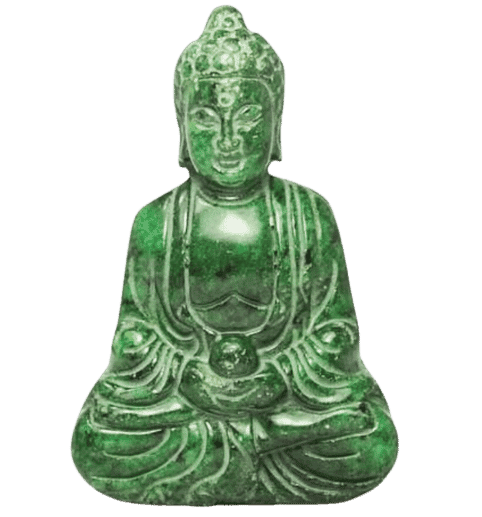
The jade stone through History
Whatever its form, Europeans made little use of the precious green mineral. The scarcity of deposits and their inaccessibility on the old continent explain its relative absence. The history of jade is written rather in the east, on the lands of the immortal Chinese empire.
A megalithic culture
Jade was the subject of a genuine trade in the megalithic cultures of Europe. Between 8,500 and 3,000 BC, a few Alpine workings supplied jade objects to the peoples of the Neolithic. These tools, hardly ergonomic and fragile, were used in rituals.
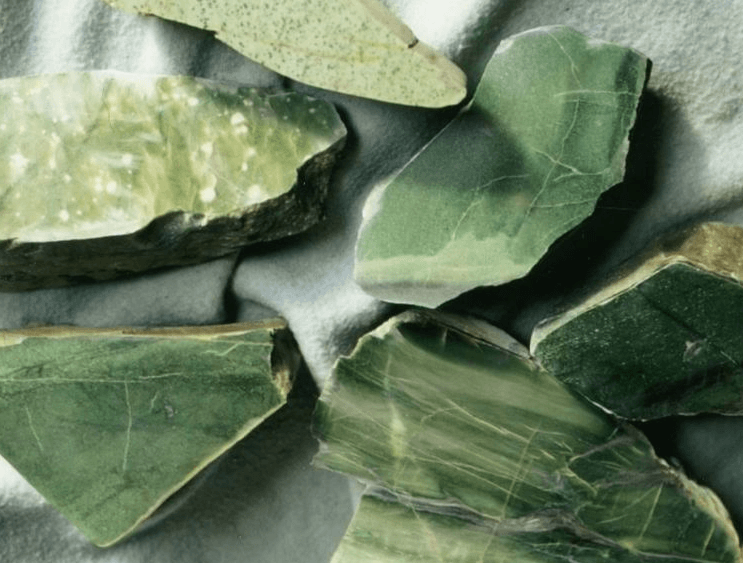
Around 2,000 BC, the deposits ran dry. This disappearance explains the near-absence of this stone on our continent.
An early use
In China, the use of polished jade dates back to the 8th millennium BC. The first peoples wore simple adornments and ornaments of it.
As early as the Neolithic, the so-called « pre-Yangshao » cultures, between 5,500 and 4,500 BC, crafted ceremonial objects of great refinement. This practice endured and grew stronger in the periods that followed.
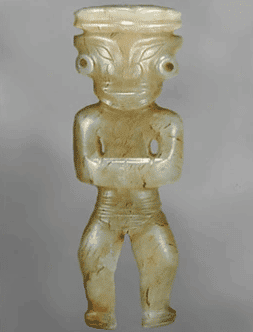
Between 3,300 and 2,000 BC, the Liangshu peoples brought this prehistoric art to its peak. They made jade a sacred funerary stone, beneath which they buried their elite.
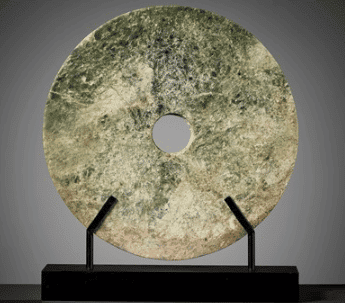
A gradual drying-up
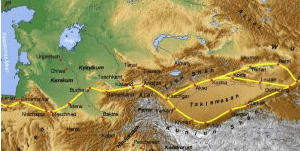
Over the course of Antiquity, the Chinese deposits gradually ran dry. The religious rites of the Middle Kingdom indeed required large quantities of the green mineral. The imperial dynasties then decided to import it.
From the mines of Turkestan, the nephrites travelled along the Silk Road, accompanying spices, fabrics, teas and porcelain. This trade persisted until the 18th century.
Age-old legends
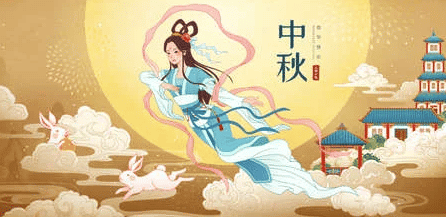
From the earliest Chinese writings, jade held a magical role. It is among the primordial stones with which Nuwa, the creator goddess, shaped the Earth.
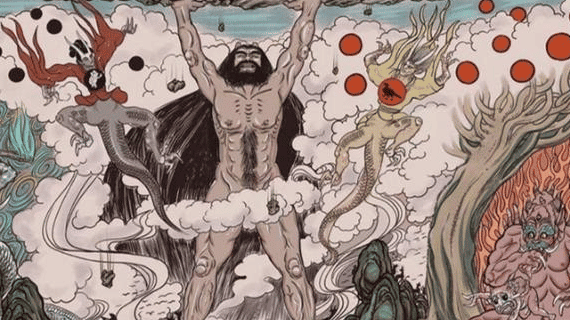
In another legend, the bones of Pangu, the first man, turn into jade.
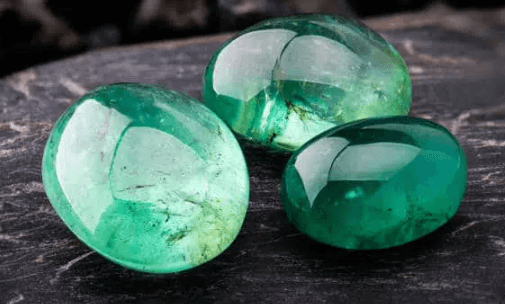
Always, the green mineral is laden with powerful symbolism, tied to life and abundance. Its magical virtues ward off evil.
An imperial tradition
With the first great Chinese dynasties, the fine stone became the symbol of imperial authority. Only its members carried the Ruyi, a sceptre entirely carved from jade.
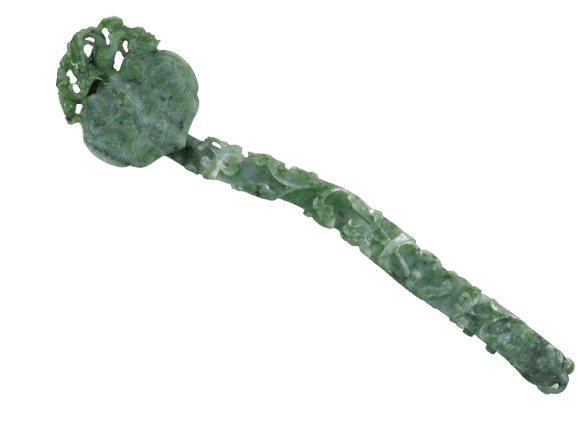
The princes received tablets made of the green mineral from the hands of the emperor. The high officials were also entrusted with them. These jade emblems are the manifestation of their power and status.
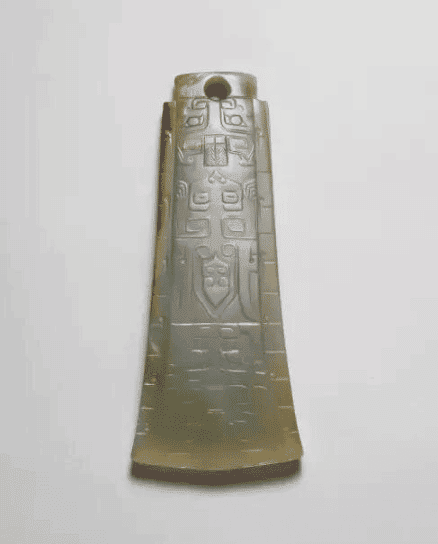
A cult of power
In China, the gem of the earth is a symbol of imperial dignity. While the common people could not obtain it, the country’s elites treated themselves to ceremonial jade objects. During funerary rites, cicadas of the green mineral were laid with the deceased. They accompanied them towards eternal life and resurrection in the Hereafter. Placed on the bodies of the powerful during their embalming, jade and gold lessened putrefaction according to their beliefs.
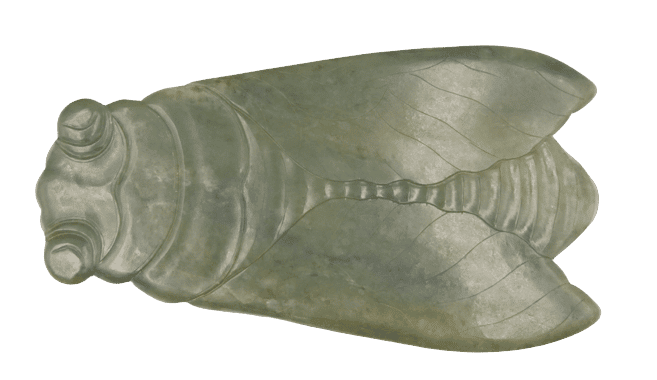
The spiritual ties of the jade stone
As a sacred gem, jade has always been surrounded by a unique mystical aura. It captivates with its intense green colour and its shimmering reflections. A symbol of the great Chinese imperial dynasties, many religions incorporate it into their energy practices.
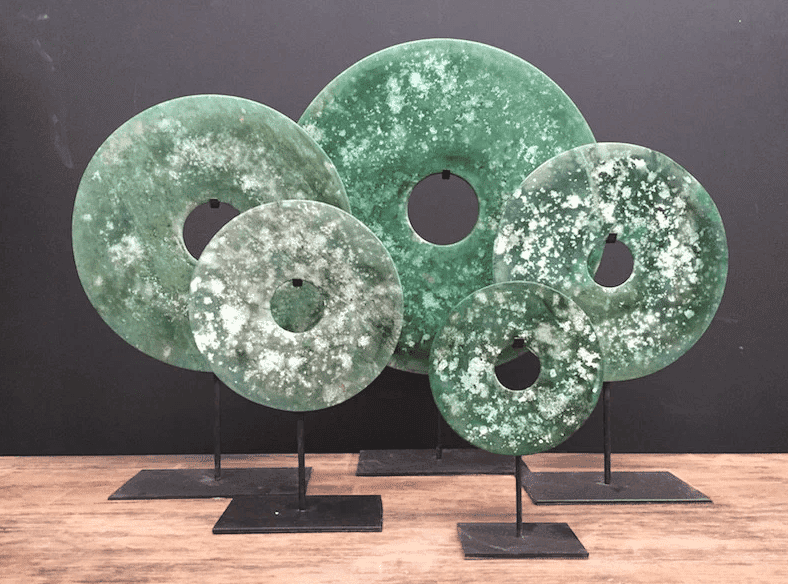
Jade in the Chinese imperial cult
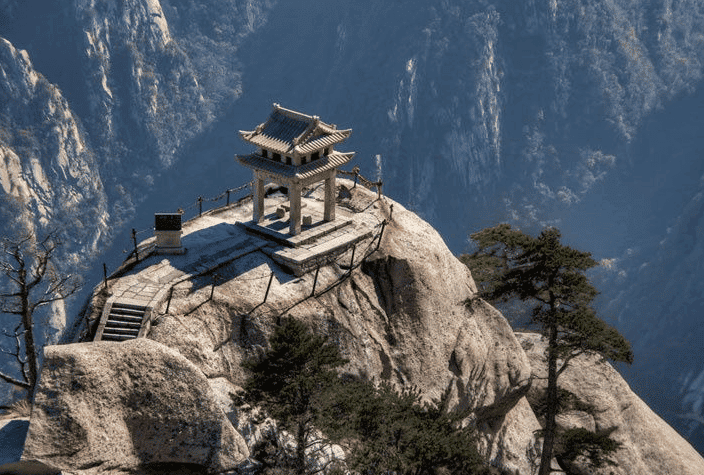
Chinese priests used jade during many rituals. The stone binds humans to the divinities of heaven and earth. In the 5th century BC, they regularly cast at Mount Huashan dragon tongues fashioned in jade. They thus informed the gods of the arrival of a new emperor on the throne. If the latter fell ill, the priests repeated the operation in order to implore the powers of the mountain.
Jade and the sacrificial cults of America
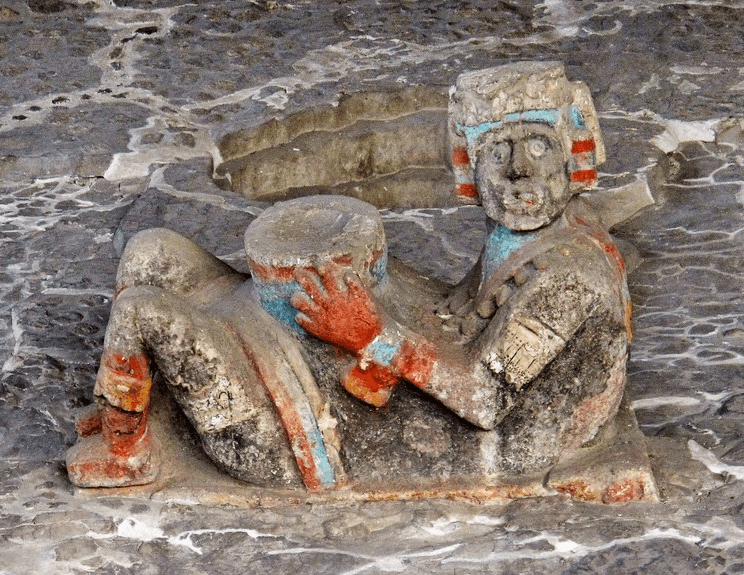
Extracted in Guatemala for more than 3,000 years, jade holds a central place in the cultures of South America. Olmecs, Maya, Aztecs and Amerindians shaped it into sacred objects, devoted to the cults of the dead.
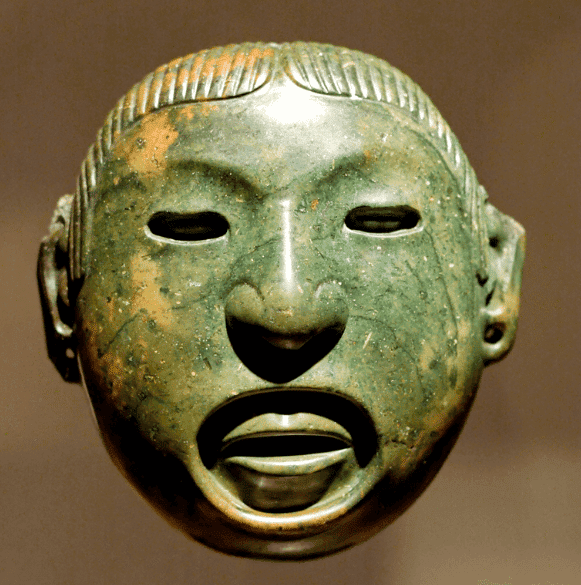
Thanks to trade between these peoples, jewellery, hatchets, tablets, beads and funerary masks flourished across the whole continent. Until the arrival of the conquistadors, the green stone accompanied those sacrificed at the Templo Mayor.
Jade and the Buddhist chakras
Very present in Asian cultures, jade marks Buddhist beliefs. Practitioners fashion it into ceremonial objects and cult statuettes. A Chinese imperial symbol, it resonates particularly with:
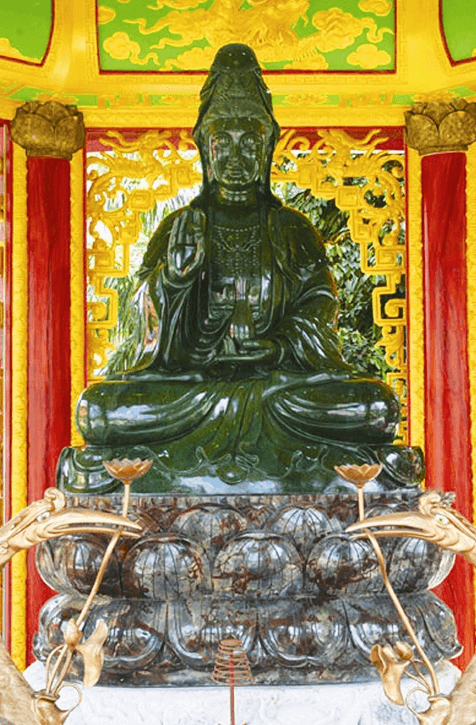
- the 2nd chakra, the Sacral (Swadhisthana). Placed on this point during your meditations, it acts on your kidneys and your immune system. In women, it promotes fertility and pregnancy;
- the 4th chakra, the Heart (Anahata). It strengthens loving feelings and soothes strong emotions;
- the 6th chakra, the Third Eye (Ajna). Positioned here, it firms up your personality, balances your inner forces and calms your nerves.
Jade and the astrological signs
Certain astral signs share a particular affinity with jade. It favours them and proves more powerful for those born under these constellations. These are:
- Cancer. Born between 22 June and 23 July, they enjoy its virtues of abundance in their home. Worn as jewellery, the stone strengthens their willpower. It helps them gain ease in society;
- Libra. Born between 24 September and 23 October, jade calms their strong emotions;
- Pisces. Born between 20 February and 20 March, this sign relies on jade to stabilise its hypersensitivity.

Alternative medicines and the jade stone
Today, the trend is towards medicinal practices close to nature. These medicines, known as alternative, move away from conventions to offer you care centred on the individual. They respect your personality and your sensitivity.
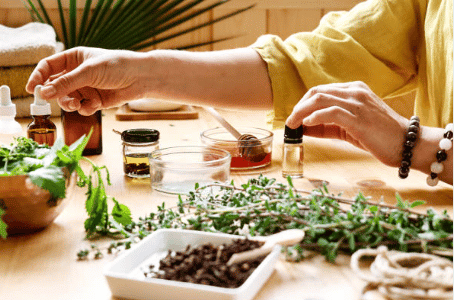
Even though science attributes to it only a contextual effect, soft medicines develop a holistic approach, close to your concerns. They are the fruit of a millennia-old wisdom. Based on natural and effective methods, they have an incredible pharmacopoeia at their disposal.
Feng shui to harmonise your living spaces
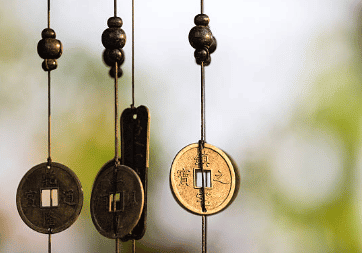
Popular in the West for a few decades, the esoteric art of feng shui has been practised in China for millennia. It orders your living space and harmonises the flow of energies. By following certain principles, it improves your well-being and the prosperity of your family.
Jade is the central earth crystal of the feng shui philosophy. To deliver its benefits, it must be shaped and positioned with care.
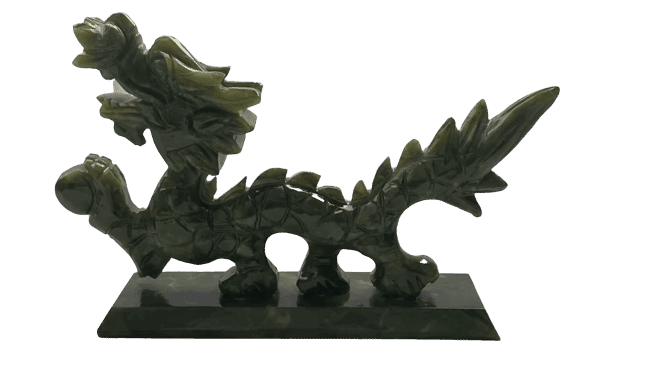
- Choose a statuette in the shape of a dragon and place it prominently with respect. You will enjoy iron-clad health.
- Are you seeking wealth instead? Then the masters recommend installing a Pixiu in your home. This Chinese mythological animal attracts luck.
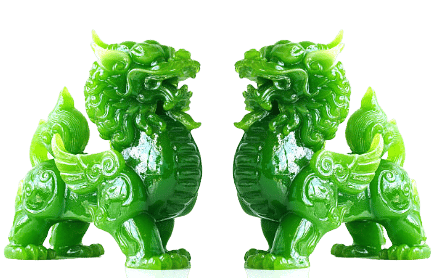
- Made of jade, the statuettes in the likeness of the « beast of fortune » generate an energy twice as powerful.
Dowsing to diagnose your ailments
Practised since Antiquity in Europe, dowsing detects the ills that affect your soul. It rests on the vibrational and energy power of gems.
Thanks to pendulums, practitioners perceive the energies that run through your body. They identify the dysfunctions of your aura and measure them on their Bovis board.
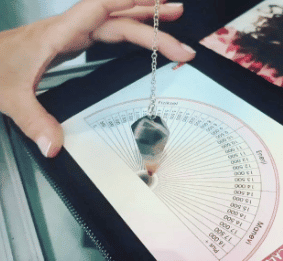
However, jade is not intended for dowsing medicinal practices.
Its vibrational potential supports rather divination. Through its affinity with the earth, it also excels in geobiological research.
Crystal healing to strengthen your self-healing abilities
Crystal-healing practices go back to the very beginnings of Prehistory. Since time immemorial, humans have loved to shape gems into jewellery and to wear them. The vibrational power of stones is used in every culture.
Using quality natural jades, craftsmen create crystal-healing jewellery for you. They rely on knowledge and age-old beliefs. Thanks to their expertise, you benefit from the best of jade on the energy plane.
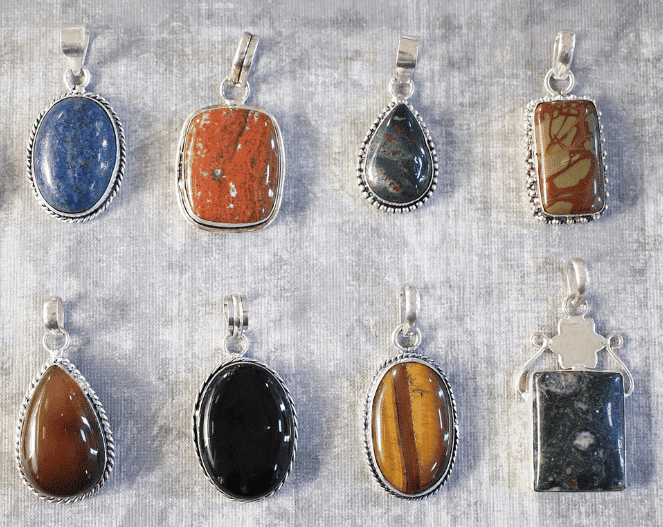
Warning: the benefits and virtues of stones are indicative! They are based on traditions and crystal-healing writings not recognised by science. Jade bracelets and pendants never replace a medical treatment prescribed by a healthcare professional. Crystal healing supports your healing process. It strengthens your body, but does not replace a conventional medical consultation.
Maintaining and revitalising your jade stone
In crystal healing, the power of your jade rests on its vibrational potential. Over the course of use, all fine stones lose effectiveness. Their natural energy vanishes, replaced by your negative waves.
To prevent your jewel from turning against you, maintain it regularly. Purify it and recharge it through simple rituals.
Purifying your jade
Jade draws on the telluric forces and does not corrupt easily. It needs maintaining less often than other fine stones. Depending on the nature and intensity of your crystal-healing practice, it is purified in different ways.
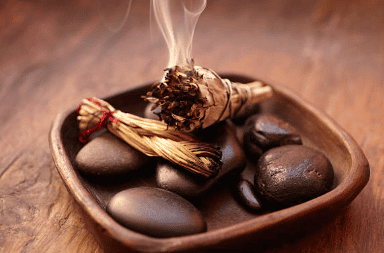
- For meditation : burn an incense stick beside your jade for half an hour. This small purification is amply enough for this use.
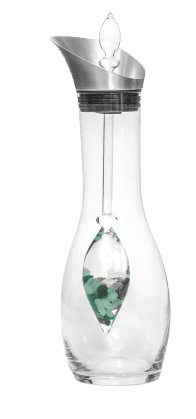
- For a light daily practice : immerse your gem for several hours in a container of salt water. Take care that it and its setting do not oxidise! Wipe them carefully with a soft cloth.
- For a moderate daily practice : place your jade, wrapped in a sheet of paper, on a mound of coarse salt. The negative energies will transfer to it, without your stone coming into direct contact with this abrasive material. No risk of damaging your jewel!
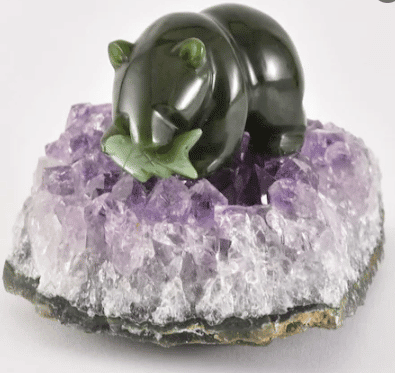
- For an intensive daily practice : favour purification by quartz crystals! Placing your jade on a heap of these gems is enough, but resorting to an amethyst geode will increase the purifying effect.
Recharging your jade
Once your gem has been purified, you can recharge its natural crystal-healing potential. Jade perfectly absorbs the solar and lunar energies. Its vibrational capacities regenerate easily under the rays of these celestial bodies. If your practice is intensive, use mantras drawn from Asian cultures.
Virtues and benefits of the jade stone
An essential in crystal healing, jade has a strong vibrational potential. It protects you from ailments and shields you day to day.
A symbol of longevity and good fortune, its power has been recognised since Prehistory. It offers you abundance and social ease. Whether you wear it as a bracelet or a pendant, its benefits act on your three bodies.
Pairing jade with other fine and precious stones
In crystal healing, pairing stones with one another strengthens their benefits. When they are compatible, they enter into resonance and their energy potential increases. Carry out your stone pairings with care ! For them to be effective, adapt them to your practice.
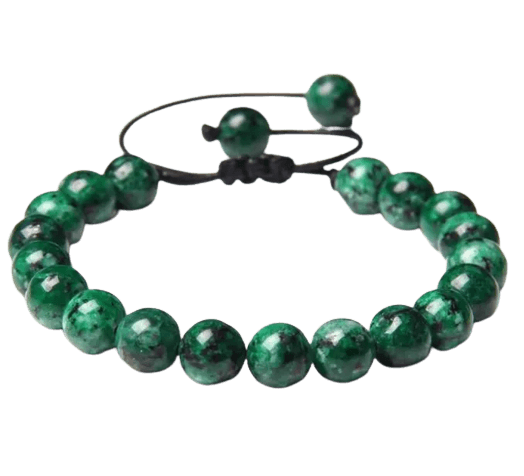
- If you wear them daily, to prevent ailments and strengthen your three bodies, combine them according to their colours. Similar gems often have similar virtues. This popular method proves particularly aesthetic. With your jade, choose green stones such as malachite, aventurine, chrysocolla, fluorite, peridot, amazonite or bloodstone.
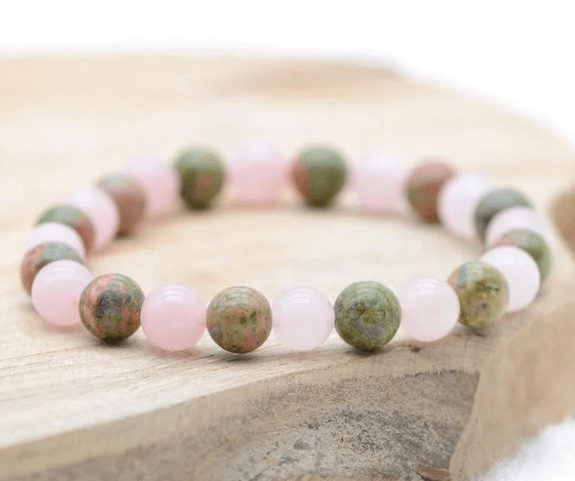
- For a meditative practice, adapt your stones to the targeted chakra. It all depends on the energy centre you wish to work on. If you cultivate your Heart, favour emerald, morganite, rose quartz or unakite.
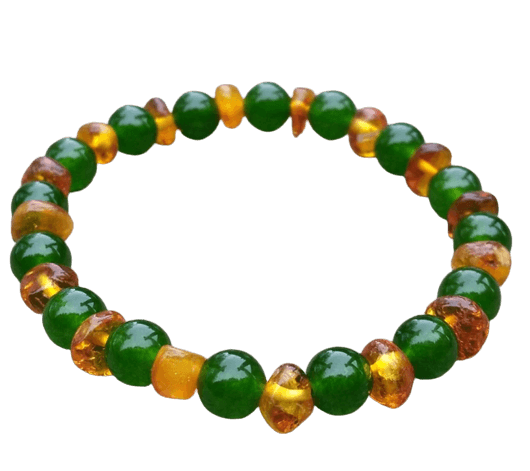
- Are you focusing instead on your Sacral chakra ? Then an amber, a carnelian or an imperial topaz will accompany your jade wonderfully.
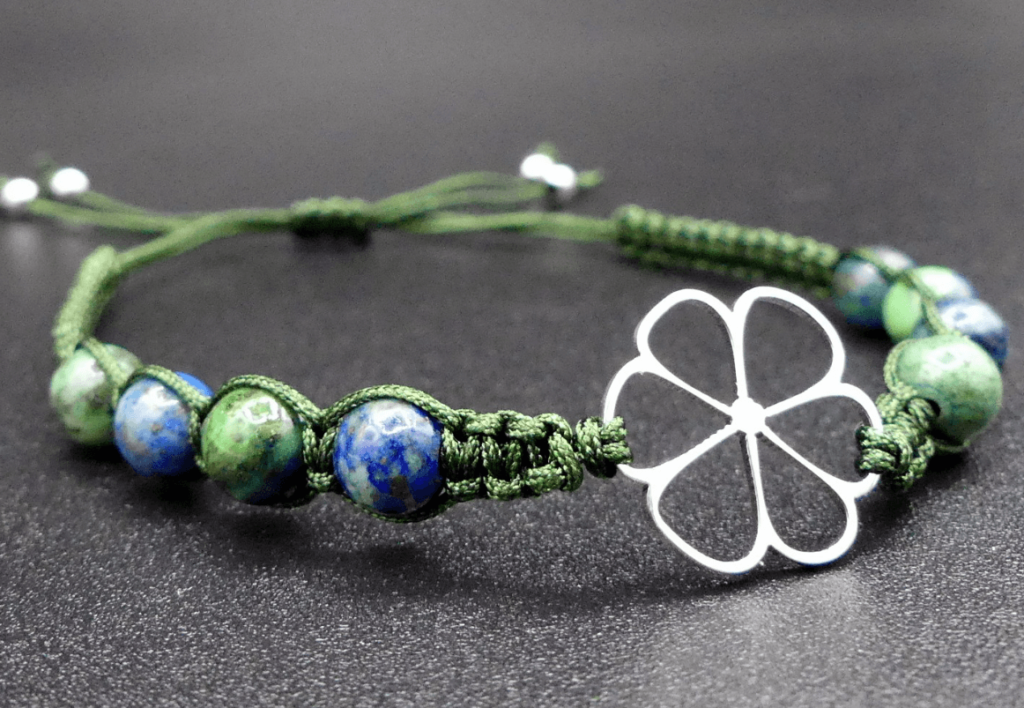
- To meditate on your Third Eye, pair your green mineral with an azurite, a lapis lazuli, a sapphire or a sodalite.
- Are you seeking only one and the same benefit in your crystal-healing practice? Many fine stones share common virtues.
- To strengthen your immune system and your kidneys, combine your jade with a blue quartz, an agate, a citrine or an aquamarine.
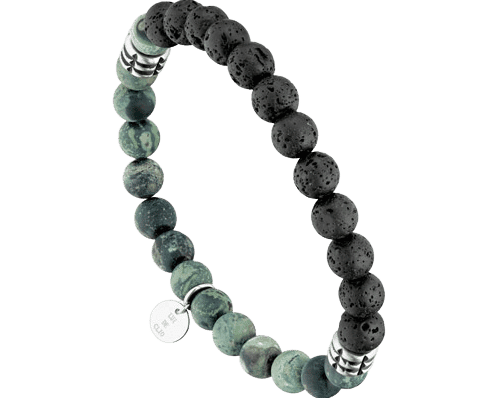
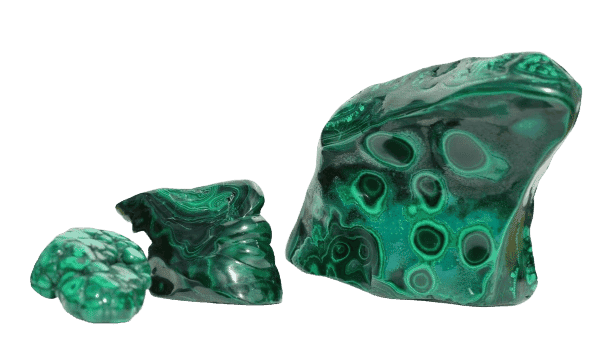
- And to ease your public speaking, it harmonises perfectly with a rock crystal, a labradorite, a sunstone or a malachite.
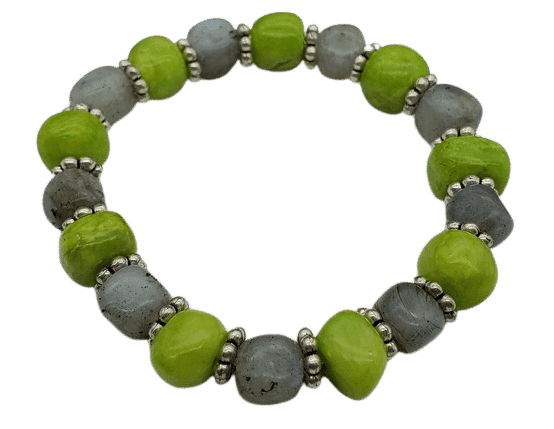
The spiritual, psychological and mental virtues of jade
Jade gives off harmonious vibrations and leads you to peace of the soul. It proves ideal for meditating and renewing yourself within. On the spiritual plane, it:
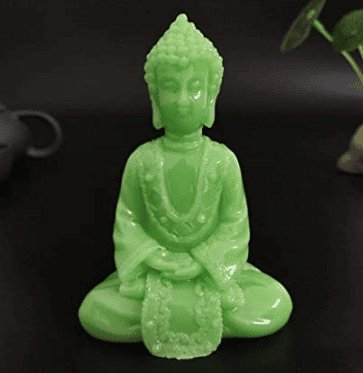
- develops your personality;
- stimulates your powers of expression;
- helps you overcome psychological blockages;
- contributes to a cycle of positive thoughts;
- fosters a joyful attitude;
- strengthens your courage;
- reduces your stress;
- inspires loving feelings.
The bodily and physical virtues of jade
Since it is a gem of the earth, jade acts directly on your physical body. Its unique vibrational power protects and preserves your health. On the bodily plane, it:
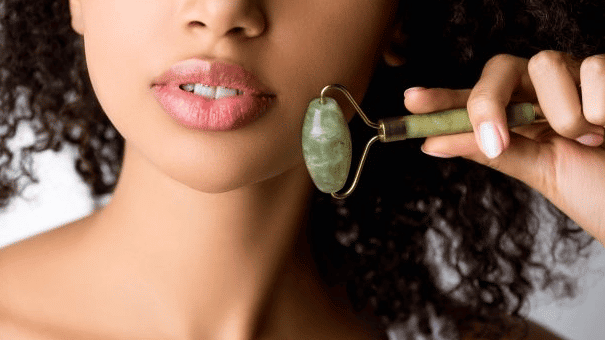
- energises your metabolism;
- strengthens your immune system;
- stimulates your hormonal glands;
- fortifies your kidneys;
- relieves colic;
- reduces fevers;
- wards off infections;
- promotes pregnancy;
- speeds up the self-healing processes;
- eases headaches;
- heals minor wounds.
No products found.
You will also like


This page does not contain child posts!
SOMMAIRE