
Virtues of the Lapis Lazuli Stone
The deep blue of lapis lazuli fascinates peoples across many cultures. Its colour embodies the starry skies and the surging seas. Royalty and religions alike laid claim to it. They crowned it a celestial stone of powerful virtues and made it an important stone in crystal healing.
This blue gem regenerates the physical body. By soothing the soul, it grants its bearer greater ease in relationships. It improves concentration and communication skills and amplifies natural intelligence. Worn as a pendant or bracelet, lapis lazuli also brings good fortune and professional success. It suits the shy and the ambitious alike. Learn more about this starry stone.
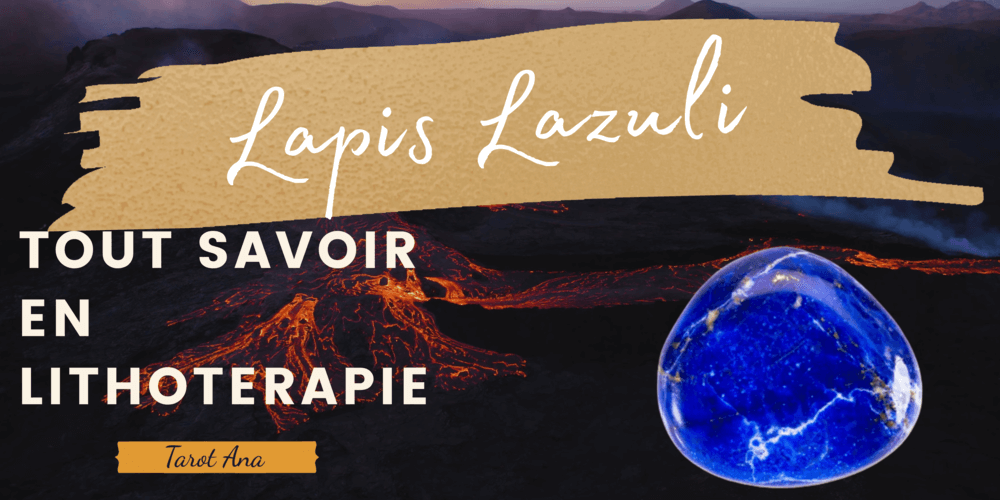
Lapis lazuli: its virtues and properties in crystal healing
| Nom scientifique | Lapis-lazuli |
| Lieux d’extraction | Afghanistan, Angola, Birmanie, Canada, Chili, États-Unis, Pakistan, Russie |
| Couleurs | Bleu avec des éclats dorés |
| Chakra | Le 3me Œil (Ajna) |
| Signes astrologiques | Taureau, Vierge et Sagittaire |
| Vertus énergétiques | Guérison, communication et bonne fortune |
Geological composition and characteristics of the lapis lazuli stone
The name of the famous blue ore comes from lapis (stone) and lazuli (azure). First described in 1890, its unique composition blends gems and rocks together. This sets it apart from other healing stones.
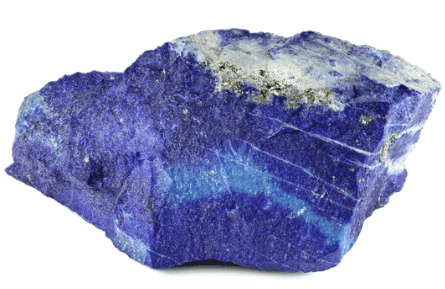
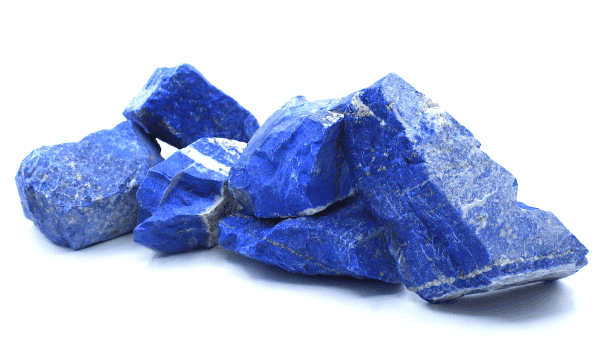
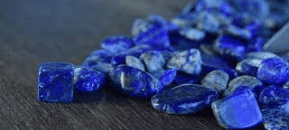
Lapis lazuli contains between 25 and 40% lazurite, white calcite, blue sodalite and yellow pyrite. This heterogeneous mixture gives it a unique appearance, blending deep blue, white veins and golden flecks.
No products found.
The formation of lapis lazuli
In its natural state, lapis lazuli results from the contact between limestone and granite. Under the immense pressure of the depths, the sedimentary rock metamorphoses into lazurite. Crystals then form within it and stud the blue ore.
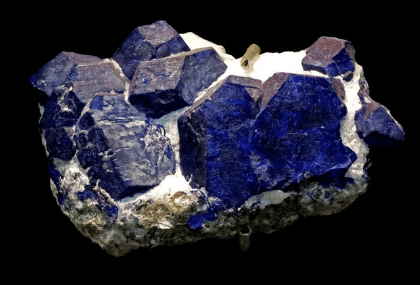
Lazurite, a primary component
Lapis lazuli is inseparable from its golden flecks of pyrite. These form in its deep blue as so many shining stars. Often called fool’s gold, this iron-bearing mineral is mined all over the planet. It has many industrial properties and was once used as a fire stone. It appears in every type of rock, from sedimentary to meteoritic.
White calcite, a prerequisite for metamorphosis
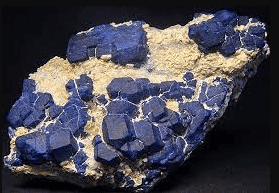
Lazurite is a deep blue metamorphic rock of the tetramorph family. While it sometimes appears as a gem, it most often takes the form of a dense, granular and porous mass.
It contains many crystalline silicate inclusions. With its unique irregular conchoidal fracture, it proves fragile and does not exceed 5.5 on the Mohs scale.
Yellow pyrite, a star in the sky
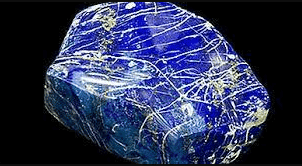
An abundant carbonate on our planet, calcite results from a saturation of rocks with calcium. It is found in marls and limestones. When the latter metamorphose, it yields a crystalline marble.
If present in large quantities, it disrupts lapis lazuli and scars it with marked white veins.
Blue sodalite and other feldspathoids
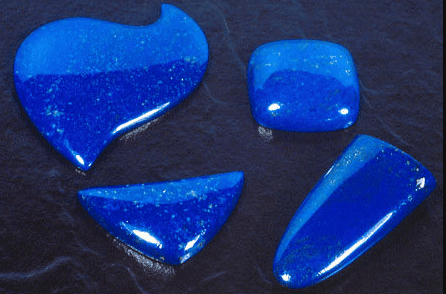
Lapis lazuli is made up of a great number of feldspathoid silicate gems. Depending on the deposit, it is enriched with augites, enstatites, micas, nosean, sulphur, and so on.
Their presence and nature determine unique variances of lapis. Only sodalite always belongs to the mixture.
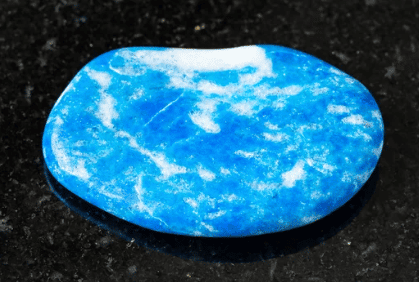
This chlorinated tectosilicate strengthens the blue colour of the ore. Present in small quantities, it brings a faint white-yellow phosphorescence. The Afghan and Russian varieties stand out for their richness in sulphur and shine more brightly.
Those mined in Tajikistan have a blue fluorescence.
Extraction and modern uses of the lapis lazuli stone
Lapis-lazuli is one of the oldest minerals mined on Earth. The earliest workings date back at least to 6,000 years before our era. Used mainly for aesthetic or ritual reasons, the starry stone has fascinated believers and collectors for millennia.
A historic exploitation
Long regarded as precious as gold in the Middle East, lapis lazuli has few deposits across the world.
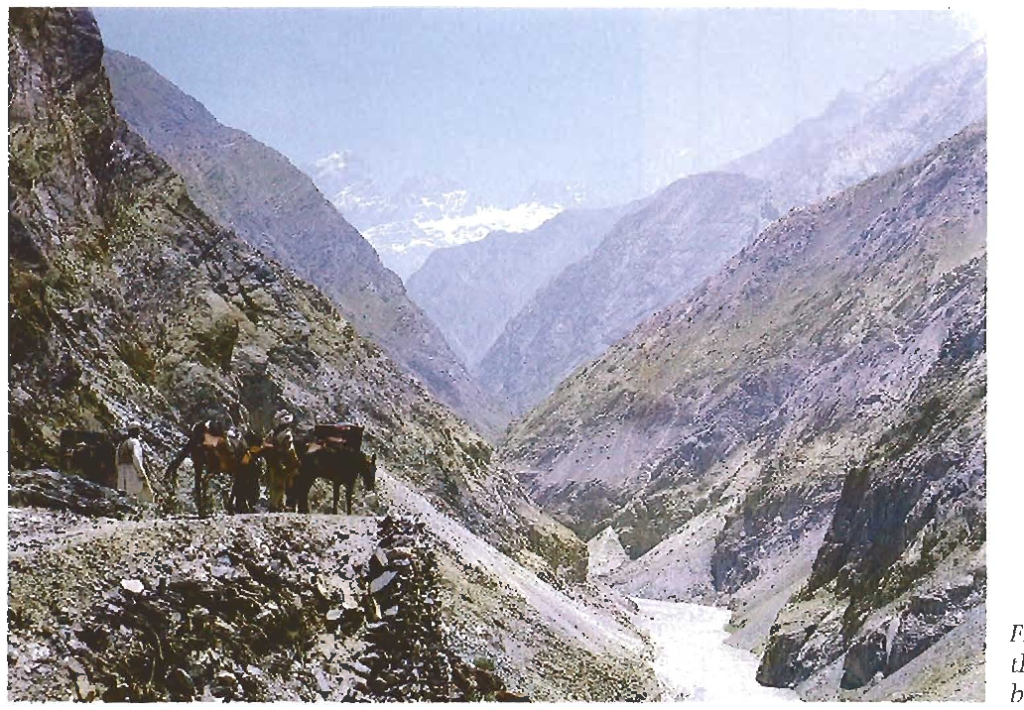
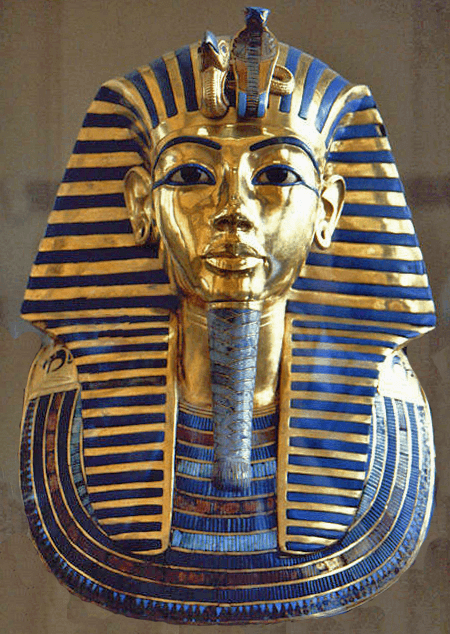
The Sar-e Sang mine in Afghanistan supplies most of modern production. The finest gems and the antique art pieces, such as the mask of Tutankhamun, come from this region.
A few other minor operations extract lapis lazuli stones in Angola, Burma, Canada, Chile, the United States, Pakistan and Russia.
From ritual to aesthetics
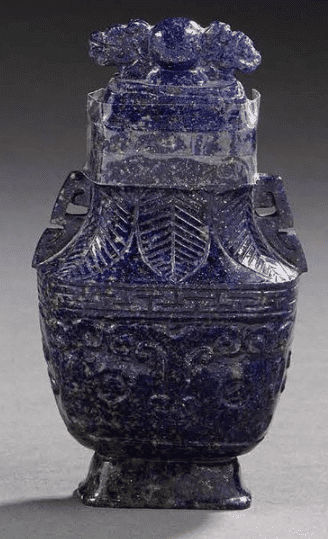
For more than 8,000 years, humans have used lapis lazuli. Although this stone is fragile, they work it and shape it into jewellery or ritual objects.
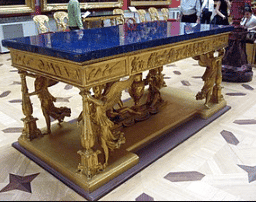
From Chinese dynasties to Egyptian ones, from cave art to the European Renaissance, many traditions have made the starry stone their own.
They create true works of art with it. While some carry a ritual character, the majority of these ancient objects prove purely decorative.
A pictorial use
As early as the 3rd century, the peoples of Afghanistan, Turkestan and India used lapis lazuli as a pigment.
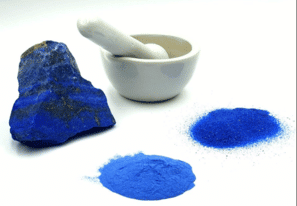
From the 12th century, Europe imitated the process and invented ultramarine. This deep, dark blue adorned several French abbeys, churches and chapels. It covered ceilings and the robes of statues.
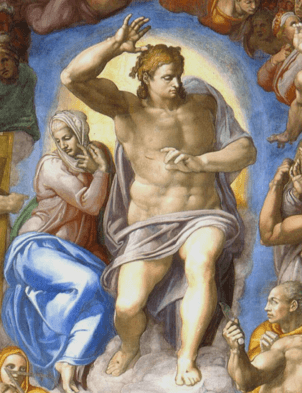
In the 14th century, the Italian painters took it up and brought its use to an industrial scale. Cheaper artificial pigments appeared, however, in 1826. True ultramarine blue then fell into disuse. Today it is barely used at all.
The lapis lazuli stone throughout History
Lapis lazuli holds a pivotal place in our history. European, Eastern and Asian traditions ascribe to it a great many virtues and benefits. They often see in it a starry sky, a divine emanation of the celestial vault. Its beauty earns it significant decorative use across the world.
The earliest Mesopotamian traditions
The earliest creations in lapis lazuli date back to the end of the Ubaid period.
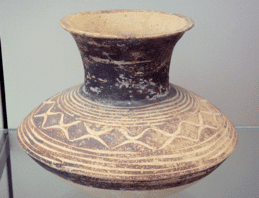
At the site of the wealthy city of Tepe Gawra, dated to the 4th millennium before our era, archaeologists uncovered a great quantity of precious objects. They attest to an early use of gold, electrum, ivory and lapis lazuli.
The ancestor of the Silk Road
From that time, the Mesopotamian peoples founded the great road of Khorasan.

It linked their territory to Central Asia and conveyed the precious blue ore. Darius I, in the 5th century before our era, integrated it into his Persian Royal Road, connecting Susa to Sardis. It later became one of the great arteries of the famous Silk Road.
The Sumerian apogee
In the wake of their ancestors, the Sumerians worked lapis lazuli. They used it in their arts, decorating their frescoes and their standards with this deep blue.
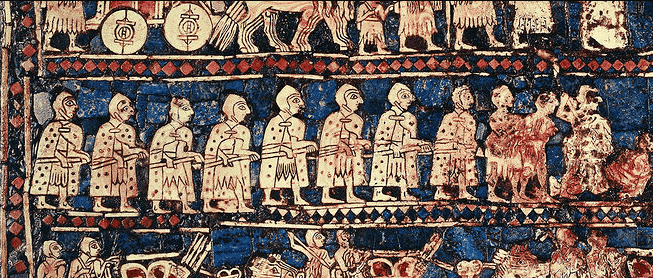
During the 3rd millennium before our era, they also shaped it into jewellery, seals and amulets. They attributed to it protective magical virtues. These hundreds of ceremonial objects, found in the necropolises of Ebla, Ur, Mari and Kish, attest to the ritual importance of lapis lazuli.

A mythological stone
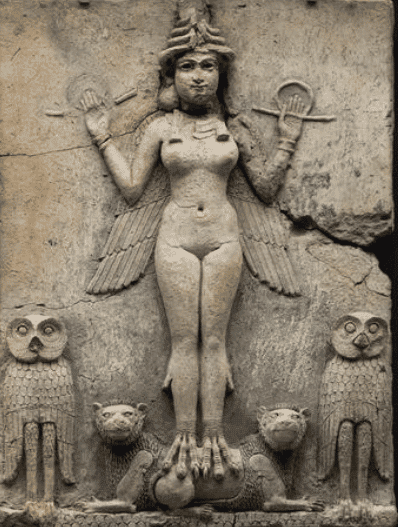
The Sumerians and the Akkadians linked lapis lazuli to the goddess Ereshkigal.
Lady of the Great Earth, she rules over the world of the dead. The precious blue ore adorned the whole of her underground palace.
Within the Underworld, the ultramarine colour and the stars of the stone evoked for the goddess and her servants the celestial vault.
The Egyptian influence
Influenced by the peoples of the Middle East, the Egyptians incorporated the blue ore into their beliefs. They bought it at the price of gold from the merchants of the Euphrates and associated it with divine power.
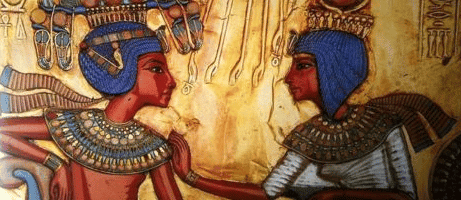
It became the symbol of the primordial water, of the starry sky, of the night, and made up the hair of the gods. It offered mortals celestial regeneration.
Beyond death
Placed in the tomb, a lapis lazuli scarab ensured the deceased rebirth in the other world. It opened the way to eternity for them.
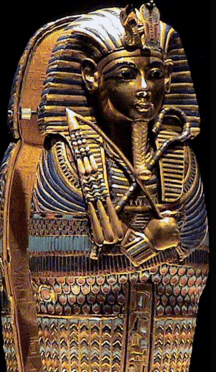
The vast funerary furnishings found in the famous tomb of Tutankhamun attest to this ritualised use of lapis.
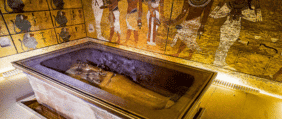
The Hebrew people take it up

Travelling between the Middle East and Egypt, the Hebrews grew attached to lapis lazuli. In their eyes, it symbolised a sky filled with the gleams of the sun. The fine stone held a central role in their earliest rites.
Some Bible experts believe that God inscribed the Ten Commandments on tablets of lapis lazuli.
The hoshen of the high priest
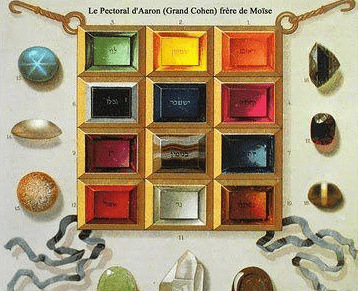
The blue ore appears in the Torah. It is the fifth stone of Aaron’s breastplate.
According to the translations, it represents the tribe of Issachar. It is associated with study, scientific knowledge and astronomy.
On the shores of the Ionian Sea
The Romans, like the Greeks, called lapis lazuli the sapphire of the ancients.
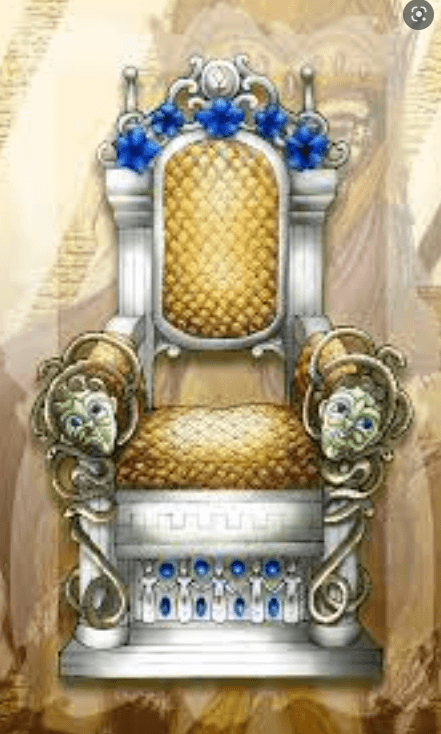
The Hellenic peoples associated it with Athena. A symbol of wisdom, it adorned the throne of the warrior goddess. The Latin peoples, for their part, linked it to Venus. Since they regarded it as a stone of beauty, they ascribed to it aphrodisiac virtues. The Romans later renamed it ultramarinus, meaning from beyond the sea.
A detour through America
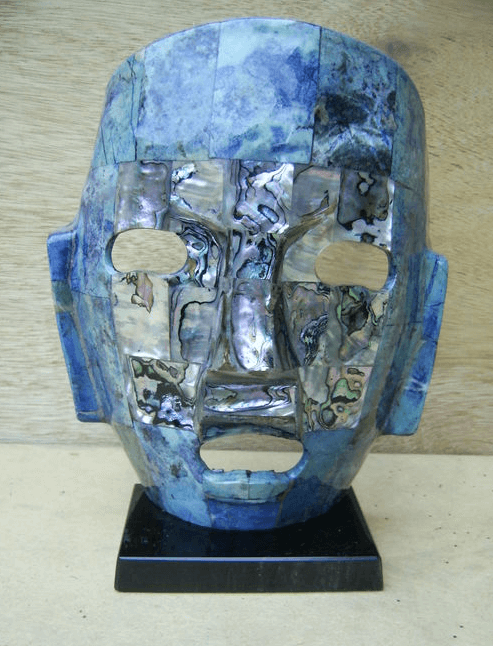
For the peoples of South America, lapis lazuli is a sacred stone. The blue ore adorned masks, statues and frescoes of many pre-Hispanic civilisations. The latter, like various other peoples, associated it with the starry sky and the celestial powers.
At the heart of European medicinal practices
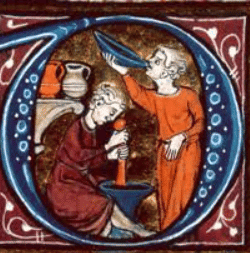
In the Middle Ages, lapis lazuli entered classical pharmacopoeia. Physicians ground it and mixed it with milk. They prescribed it to be drunk or applied as a poultice.
According to them, it acted as much on the body, healing boils, fragile bones and ulcers, as on the mind, driving away fear, doubt and envy.
A Western royal passion
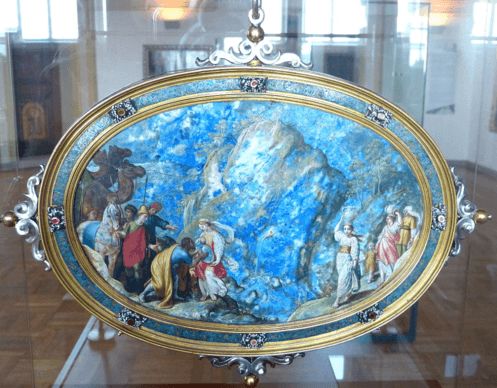
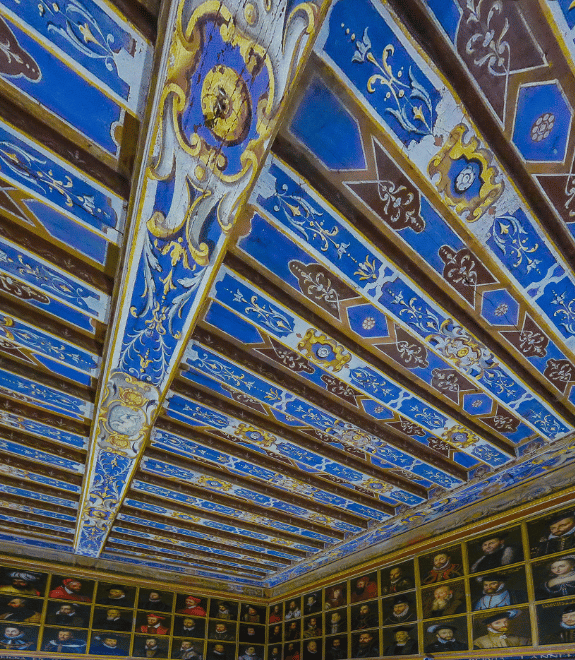
From the Renaissance, the West grew passionate about the aesthetics of lapis lazuli. All the great European dynasties decorated their castles with this magnificent blue stone. Craftsmen used it everywhere: walls, pillars, statues, furniture, tableware, stained glass, jewellery, and so on. It became a collector’s mineral.
The spiritual ties of the lapis lazuli stone
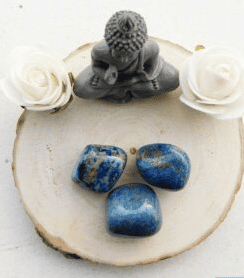
Lapis–lazuli holds an important place in various esoteric traditions. In the West and the East, specialists link it to the great currents of thought.
They associate it with religious rituals and occult practices.
Lapis lazuli and the Buddhist chakras
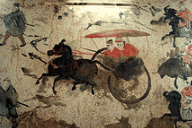
In Asia, the blue stone, mined from the mines of the high Afghan plateaus, was imported as early as the 2nd century before our era. It gained popularity under the Han dynasty and became part of Buddhist beliefs.
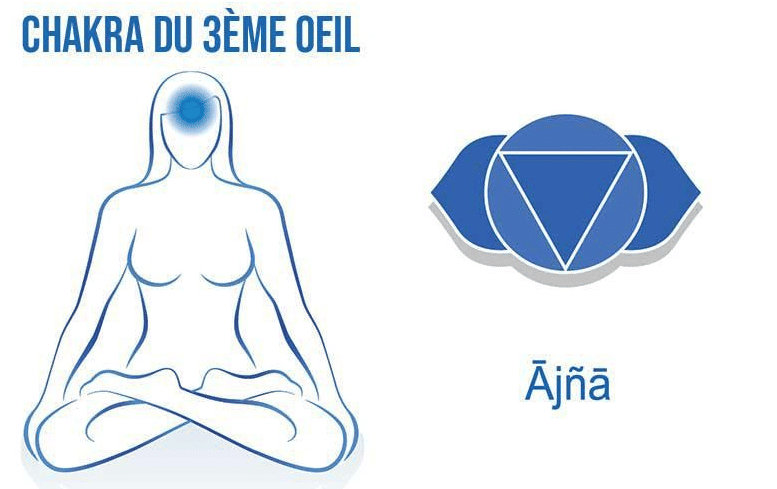
It then became linked to the 6th chakra, the 3rd Eye (Ajna) . A stone of regulation, it promotes the proper circulation of energies and bodily fluids.
Lapis lazuli and the astrological signs
Linked to the sky and the stars, lapis lazuli has a particular affinity with the twelve constellations of the zodiac. Its favoured signs are:
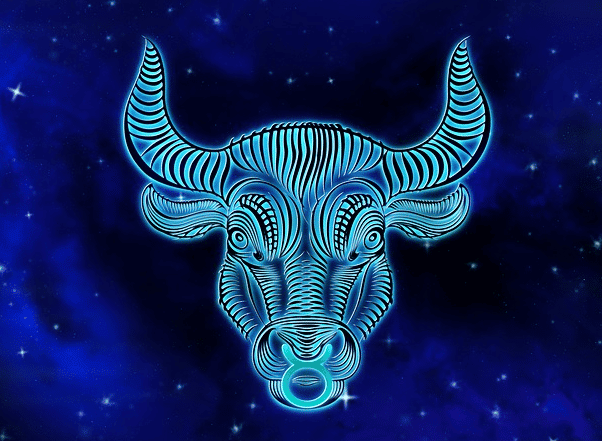
- Taurus, born between 21 April and 21 May. It supports their vital strength;
- Virgo, born between 24 August and 23 September. It strengthens their capacity for communication and for digesting emotions;
- Sagittarius, born between 23 November and 21 December. It calms their impulsiveness and softens their temperament.
Alternative medicines and the lapis lazuli stone
Modern medicine suffers from its method. It is effective, but often dehumanising and cold. It does not take enough account of your sensitivity. In harmony with nature, alternative medicines promise you a holistic approach.
They compile traditional knowledge from all over the world to support your natural regenerative capacities. Closer to your concerns, these methods rely on the use of stones and respect your body.
Feng shui to balance your home
Feng shui is a thousand-year-old esoteric art. Originating in China, it brings you well-being, prosperity and health. Its precise rules harmonise the circulation of energies in your living space. Positioning fine and precious stones meticulously in your home proves essential.
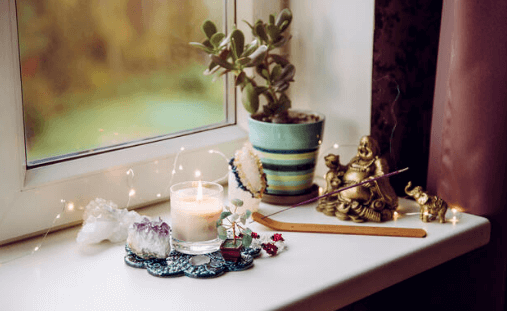
The sphere and the obelisk are the two ideal shapes for an indoor lapis lazuli stone. They absorb negative energies, calm moods and awaken wisdom.
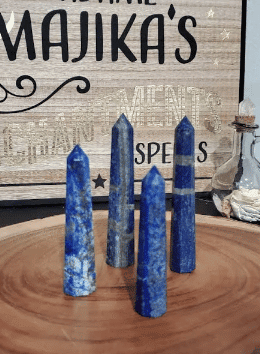
Placed under your pillow, the blue ore promotes your sleep and pleasant dreams. In your living room or bedroom, orient it according to the benefit sought:
- to the South-East for abundance;
- to the East for health;
- to the North for career and social advancement.
Dowsing to diagnose your ailments
An ancient European practice, dowsing runs through all the traditions of our continent. Its capacity for detection sets it apart from other esoteric practices.
Using a pendulum and a Bovis board, its practitioners discover the position of objects, predict the future and diagnose the energetic irregularities of your body.
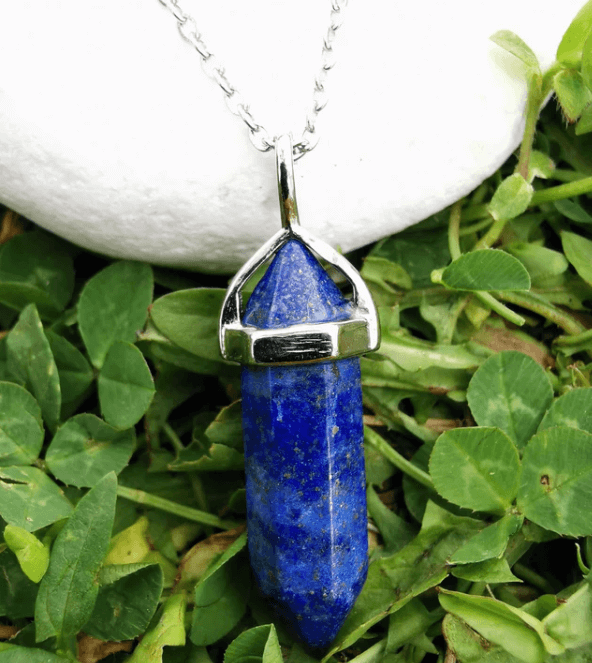
Lapis lazuli opens your 3rd eye. It strengthens your concentration and intuition.
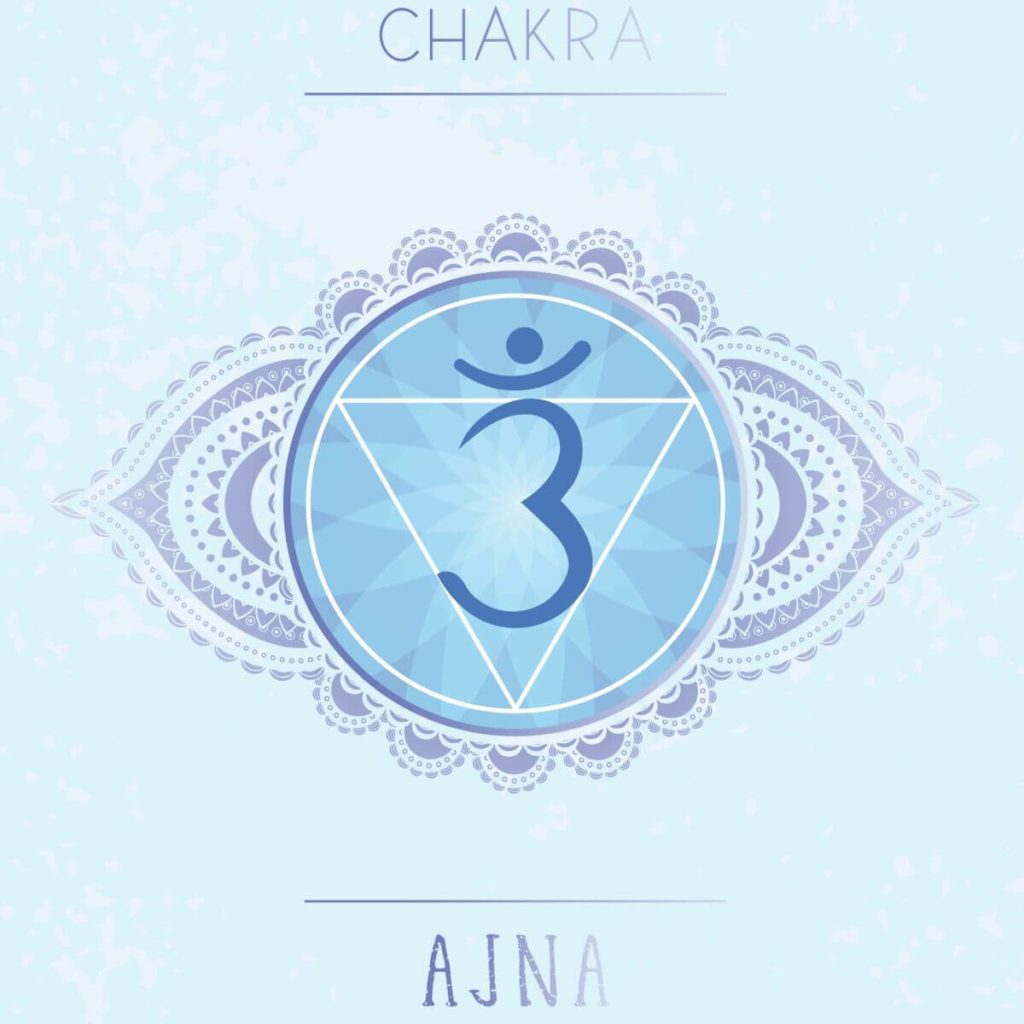
By supporting your inner joy, it drives away fears. The starry stone offers you serenity, repels negative waves and opens the way to a successful energy practice. With no real speciality, it proves ideal in all dowsing work.
Crystal healing to support your recovery
All human civilisations naturally intuit the vibratory power of stones. Crystal healing knows no borders.
Since Prehistory, humans have thus shaped rocks. They craft jewellery and wear it daily to benefit from its virtues.
Many craftsmen draw inspiration from these thousand-year-old traditions. They work lapis lazuli and offer you quality pendants and bracelets. They choose stones endowed with a great energetic potential.
Warning: crystal healing relies on beliefs ! Science grants it only a contextual effect. Purely indicative, the benefits and virtues presented here carry no medical aspect. Lapis lazuli bracelets and pendants support your natural regenerative capacities, but they are no substitute for the sound advice of your doctor. Never replace a medical treatment with fine or precious stones!
Caring for and revitalising your lapis lazuli stone
The benefits and virtues of your natural stone jewellery rest on their vibratory potential. This is forged in the depths of the earth, but your practice depletes it. The energy of your gems gradually wanes. They then become the receptacle of negative waves and some may cause you harm. The only solution: purification. Using simple esoteric rituals, cleanse and recharge your lapis lazuli. regularly.
Purifying your lapis lazuli
Many sites advise you to purify your lapis lazuli in a glass of salt water. While the simplicity of the ritual is appealing, the idea proves destructive. Some stones cannot withstand water. Haematite and malachite rust, while lapis lazuli and turquoise grow brittle.
Liquids seep into the porous structure of these rocks and attack them from within. The stone then becomes sick. When the water is salted, the effect proves even more devastating.
To avoid any risk, favour:
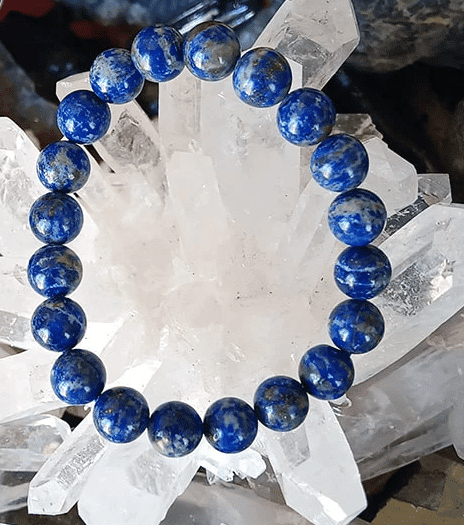
- purification on a cluster of crystals. Place your lapis lazuli on amethysts or clear quartz for 8 to 24 hours. They absorb negative energies and recharge your stone in return. Beware of scratches! These two species of gem each have a higher index on the Mohs scale than the blue ore;
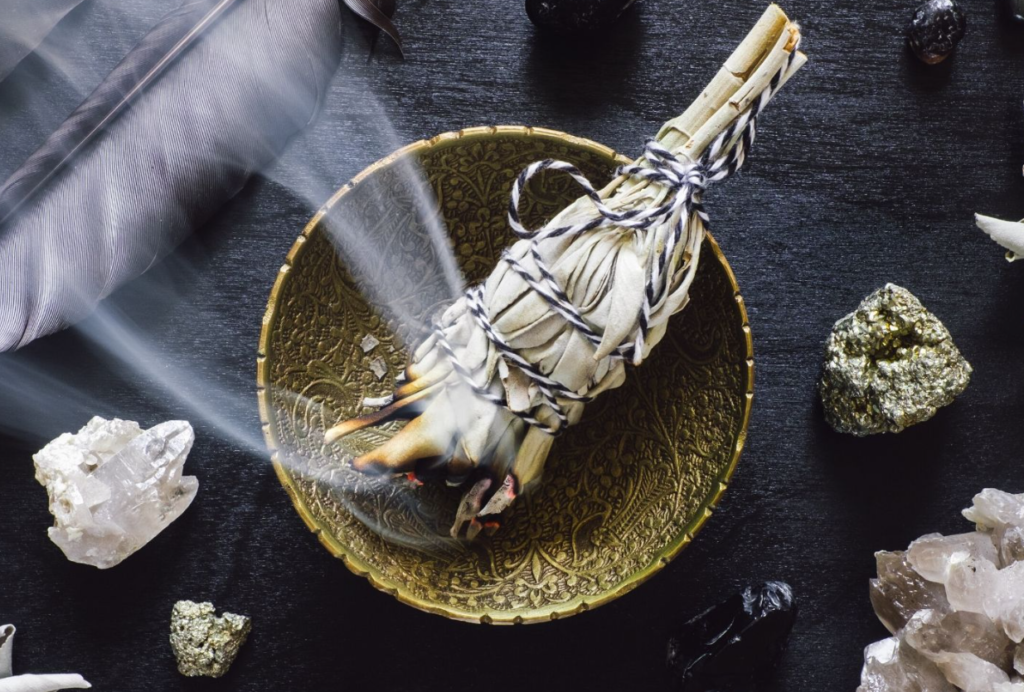
- fumigation. Burn a few sticks of a suitable incense around your jewellery, such as palo santo wood or white sage. Do not bring the heat source near your stone, at the risk of damaging it.
Recharging your lapis lazuli
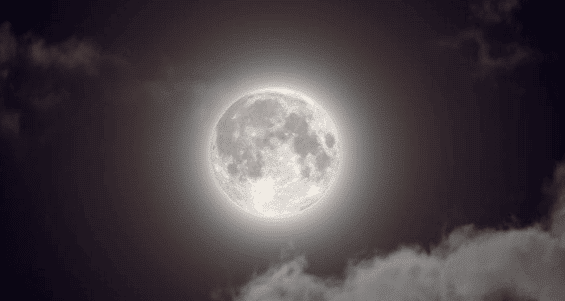
Linked to the stars and the night sky, lapis lazuli particularly enjoys the light of the moon. It recharges its energy under the rays of the moon. However, if you purify your jewellery on a cluster of crystals or in a geode, this second ritual is unnecessary.
Virtues and benefits of the lapis lazuli stone
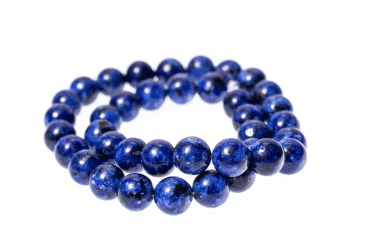
Recommended for the most introverted, lapis lazuli acts on the physical as much as the spiritual dimension. It strengthens your vitality and soothes your troubles. By improving your self-confidence and fortifying your health, it offers you prosperity and abundance. This star-filled stone has astonishing virtues.
Lapis lazuli and crystal-healing associations
Crystal-healing jewellery in lapis lazuli proves powerful. The complementary virtues of the ore act on your three bodies. They can be strengthened by combining it with other stones. Compatible gems associate easily with one another. Their exceptional vibratory resonance amplifies their benefits.
Do you wear your jewellery daily, as much for its aesthetics as its benefits? Then combine your stones according to their colours ! Not only is the method visually pleasing, but it also proves ideal from an energetic point of view. You cannot go wrong!
Rocks of the same hues have similar virtues.
- The deep blue of your lapis lazuli pairs perfectly with blue aventurine, azurite, kyanite, blue sapphire, hawk’s eye, and so on.
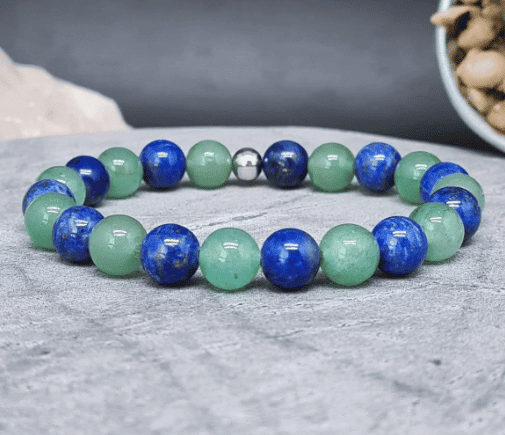
Are you instead looking for one virtue in particular ? In crystal healing, energetic properties depend on the vibratory potential of the stones.
- If you wish to kindle your joy of living and your vitality, pair your lapis lazuli with a sunstone, a blue quartz, petrified wood, a carnelian or a girasol opal.
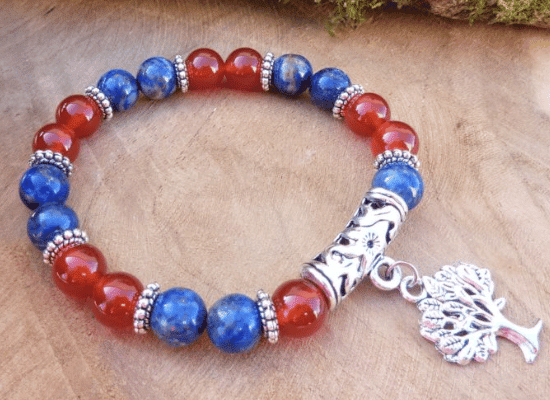
Do your gems above all accompany you in your meditation ? Experienced practitioners advise focusing on a single energy point. Apart from exceptions such as the 7-chakra necklace, favour jewellery combining stones of the same energy centre.
- For your lapis lazuli, prefer those that interact with the 3rd Eye : cyclops agate, dumortierite, labradorite, obsidian, sodalite, sugilite, tanzanite, and so on.
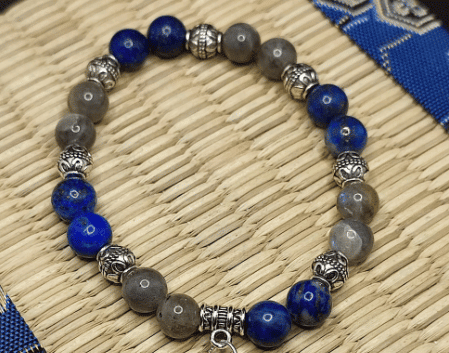
The spiritual, psychological and mental virtues of lapis lazuli
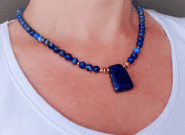
The starry stone is a symbol of love and friendship. It is marked by its great virtues on mood and communication. Worn around the neck, it brings you many benefits for shining in society. On the mental, spiritual and psychological level, lapis lazuli:
- soothes nervous states;
- drives away depressive thoughts;
- revives your joy and good mood;
- promotes your communication;
- frees you from inhibitions;
- stimulates your powers of expression;
- strengthens your self-confidence;
- clarifies your dreams;
- develops your sensitivity;
- steers your intuition towards the truth;
- guides your consciousness so that you perceive the truths about yourself;
- resolves emotional blockages;
- repels mental heaviness;
- harmonises your spiritual energies;
- cultivates your intelligence;
- stimulates your imagination;
- purifies your mind.
The bodily and physical virtues of lapis lazuli
Since Antiquity, many peoples have turned to the curative virtues of lapis lazuli. The occultists regard it as a universal remedy supporting regeneration. On the physical level, it:
- purifies the energies of your physical body;
- harmonises your blood circulation;
- reduces immune system disorders;
- stimulates the growth of your hair;
- relieves eye pain;
- fights skin conditions;
- protects your nails;
- prevents marked coughs;
- strengthens the action of the endocrine glands;
- soothes allergies;
- minimises migraines and neuralgia;
- eases ear pain;
- soothes insect bites;
- inhibits strong pain by numbing the nervous system;
- promotes restorative sleep;
- acts as an aphrodisiac;
- makes you more vigorous.
No products found.
You will also like




This page does not contain child posts!
SOMMAIRE