
Free Persian Tarot Reading
Tarot Ana offers you the Persian Tarot Reading, an authentic divinatory tarot performed by our Tarot reader.
Choose your cards and discover your complete future instantly !
OF 10 MINUTES BY PHONE
FOR A FREE 10-MINUTE READING BY PHONE
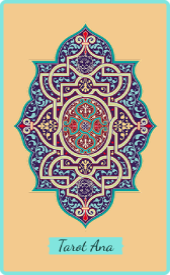
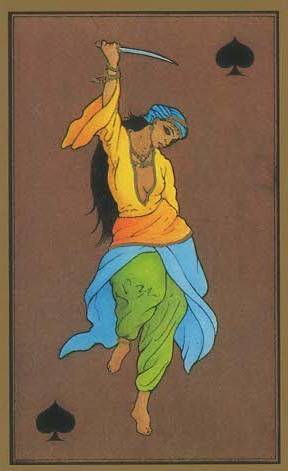
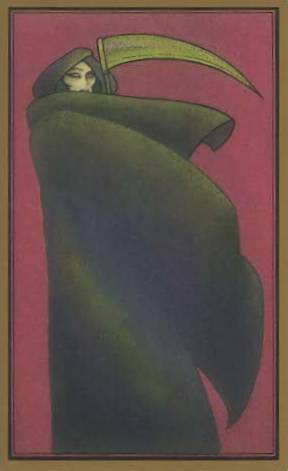
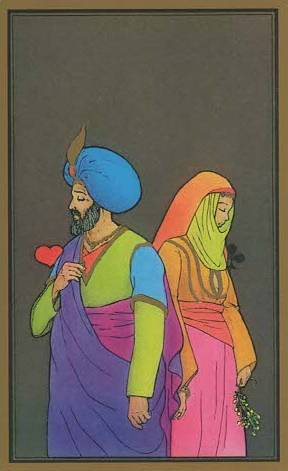
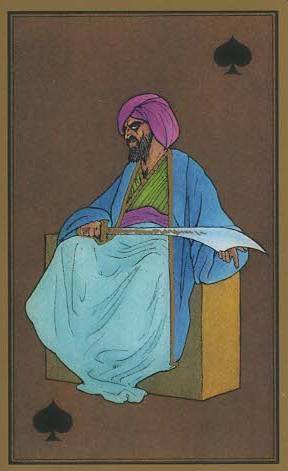
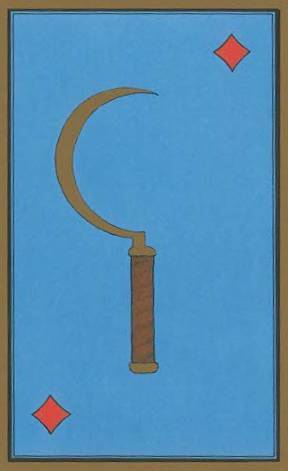
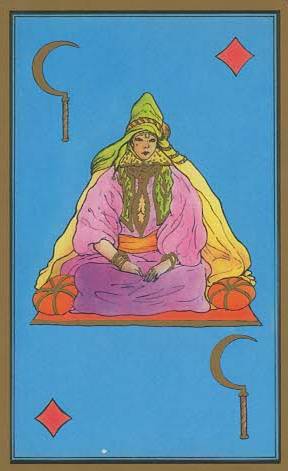
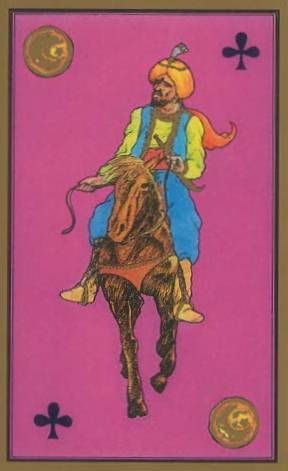
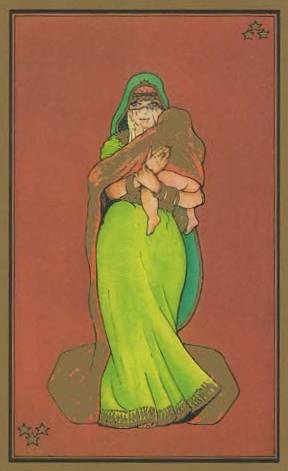
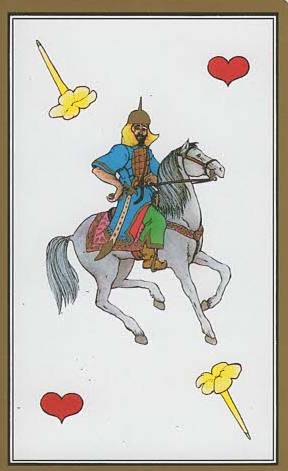
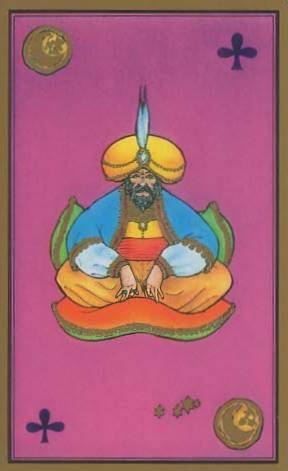
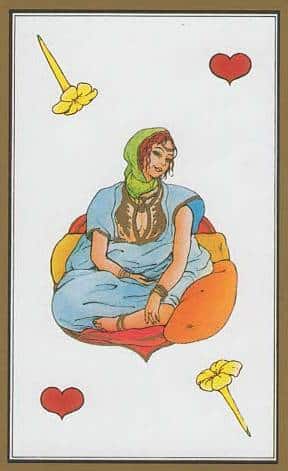
The Persian tarot
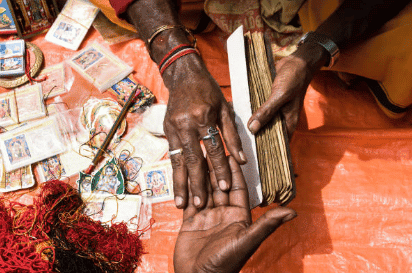
The esoteric practices of fortune-telling are used in much the same way all over the world, and this has been the case since Antiquity. Although they all have diverse origins, they are universal.
As for cartomancy, its earliest traces are found in Europe at the end of the Middle Ages, but it was above all thanks to the success of the tarot decks that it began to spread to the four corners of the world.
From then on, many countries would design their own deck of cards, such as the English Rider Waite, the Chinese tarot or the Persian tarot, which has strong Indian connotations.
The origins of the Persian tarot
One might indeed believe that the Persian tarot, with its oriental design and its warm and vivid colours, originates from India or one of the neighbouring regions. But that is not the case at all, since it was created in France in the early 1980s!
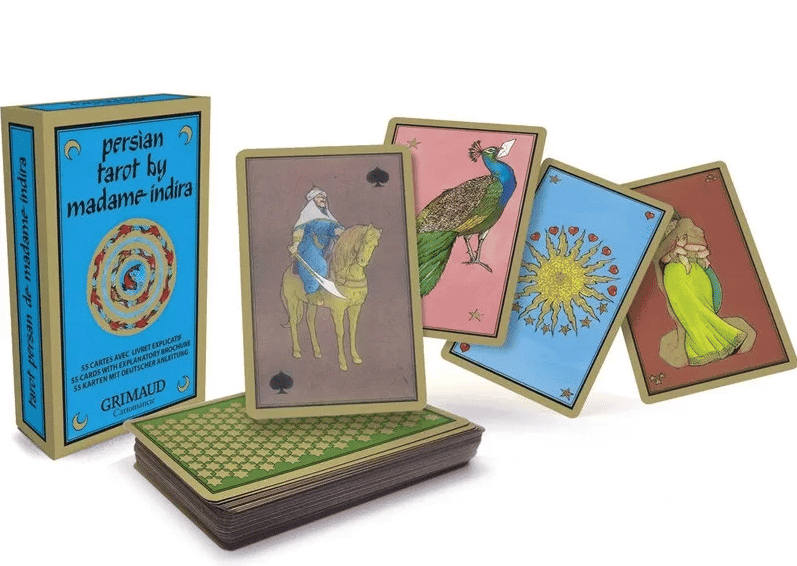
In fact, if the Persian tarot misleads everyone about its true origins, it is quite simply because it originates from India only in the mind of its creator. Her name is Mrs Indira. She is one of the most famous fortune-tellers of France in the 1970s-1980s, although she comes from India and spent part of her childhood in Algeria. When she decided to design this new tarot deck, which would be under the influence of ancestral India, Mrs Indira was therefore already very well known in the world of fortune-telling.
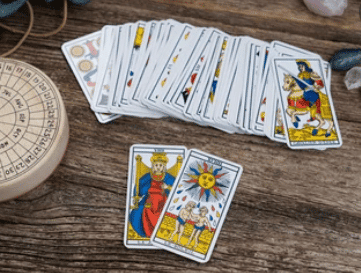
It should be said that she has practised the divinatory art of predicting the future to a subject through the cards since her adolescence, and that her gifts and high intuitions as a seer had already made the rounds of Paris when she was only 30 years old.
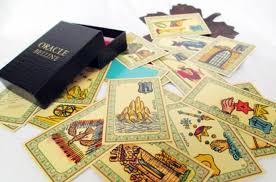
Although during those years she gave a great many consultations to the public, some of whom were famous personalities, she was at the same time designing her own tarot deck. She, who used the famous Tarot of Marseille and Belline Oracles, indeed wished to be able to draw the cards with something new, based on the codes and philosophies of Hindu life.
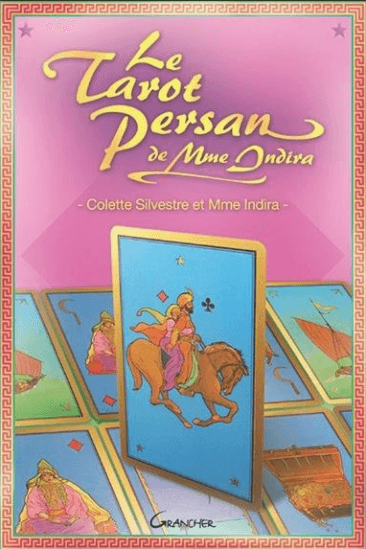
Once its design was completed, which she undertook entirely on her own from start to finish, she marketed it under the name of the Persian Tarot. It very quickly enjoyed a resounding success that exceeded the expectations of its designer. Mrs Indira subsequently wrote several books to reveal to us all the secrets of her Persian tarot, while other seers, such as Colette Sylvestre, published works praising her merits as the creator of this intriguing new tarot.
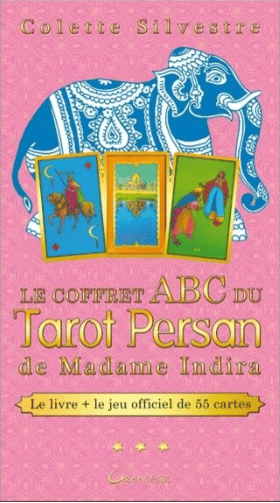
It must be said that with its imaginary world straight out of a tale from the « One Thousand and One Nights », this Persian tarot made the crowds dream, to the point of being number 1 in tarot reading sales the year of its release. Without dethroning the Tarot of Marseille, the one from Persia would nonetheless cast a shadow over it for a few years. It is still relevant today, and the ABC Persian tarot box set can be found in specialist shops or on sale on online merchant sites such as Amazon.
The composition of the Persian tarot
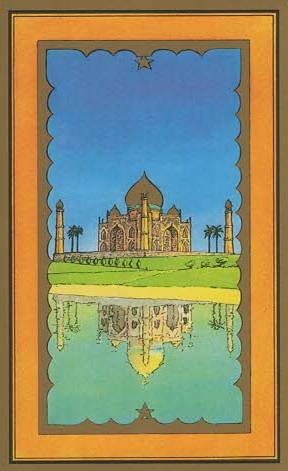
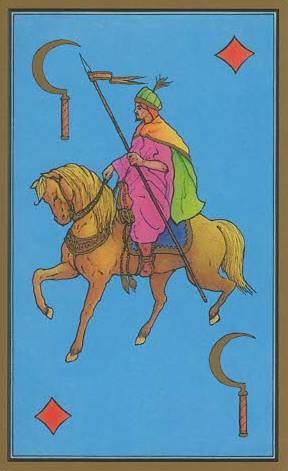
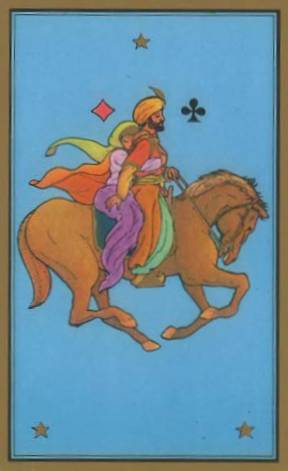
This divinatory tarot straight out of the imagination of its designer, Mrs Indira, is composed of 55 cards representing the highly symbolic figures of Hindu mythology and philosophy of life. As you go through these 55 cards, you witness a spiritual and exotic journey to the heart of the notions of human nature.
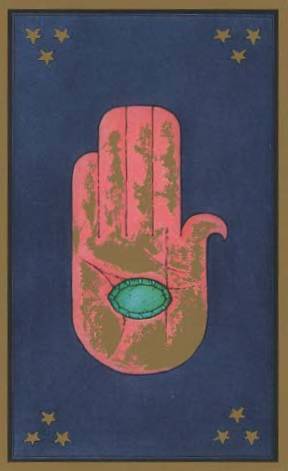
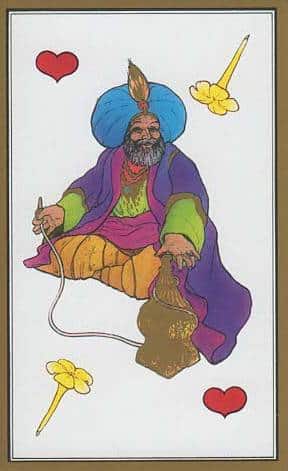
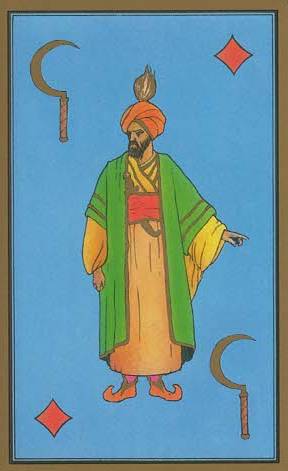
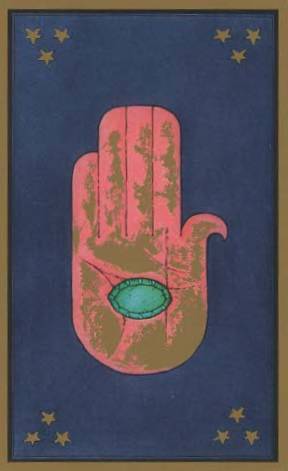
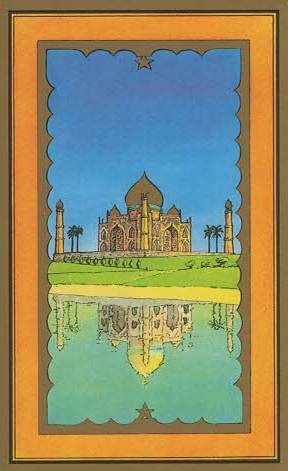
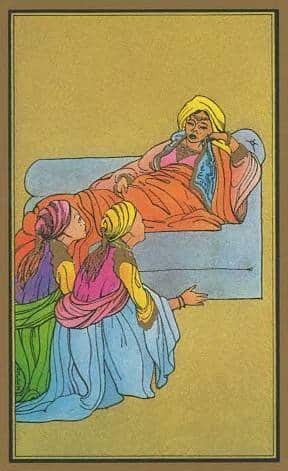
Endowed with warm and vivid colours, depicting sumptuous palaces, sultans or the symbolic hand of Fatima, these cards, once interpreted, offer clear answers about a querent’s future.
These answers are centred on subjects that concern us all, since they address romantic feelings, work and professional careers, good vitality and sexual appetite within a couple relationship, material possessions and matters of a spiritual nature.
These 55 cards used during a divinatory reading explore the personality and the past of the querent, in order to better connect to their present, and finally to be able to predict upcoming events in their future. As in all tarot decks, each of the Persian tarot cards therefore has its own meaning and symbolic value.
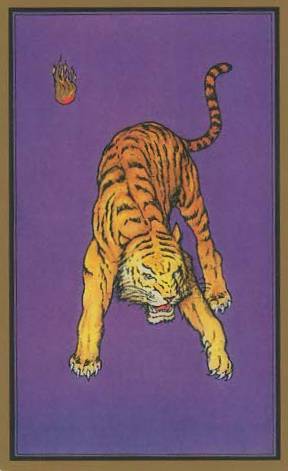
In the latter, we first find 19 cards called arcana:
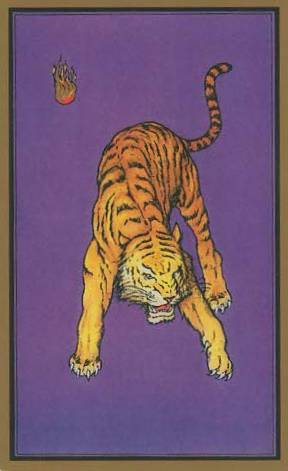
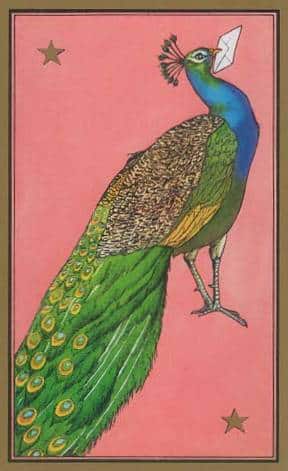
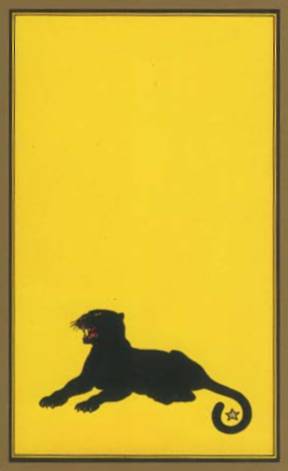
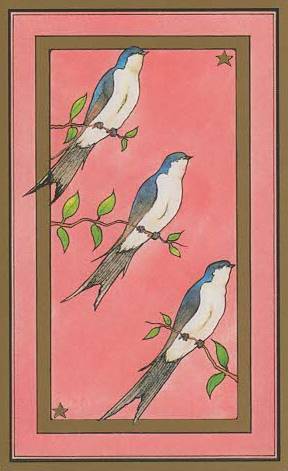
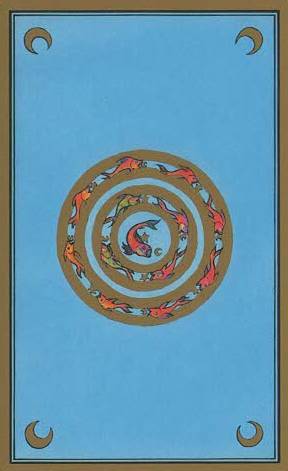
- First of all, a series of cards representing animals such as the tiger, the green-eyed panther, the peacock, the swallows and fish. During a reading, these cards dedicated to the animal world embody the notions of strength, vitality and a certain fury, but they can equally speak to us of gentleness, wisdom and harmony.
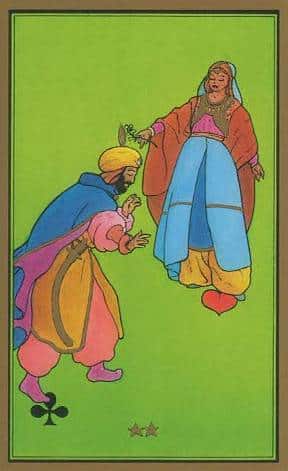
- We then find a series dedicated to family life, to the relationship within a couple and to friendships. Thus, the cards named romantic encounter, marriage, birth and break-up may make their appearance during a reading. They will be highly revealing, whether they are interpreted positively or not.
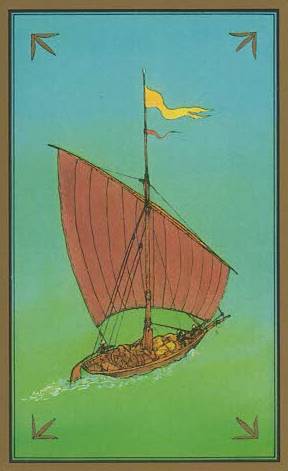
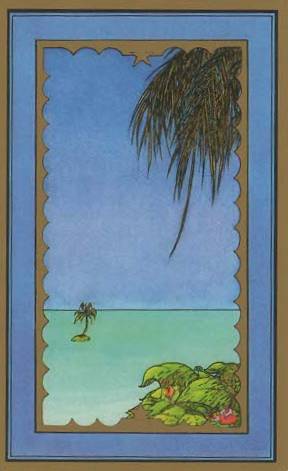
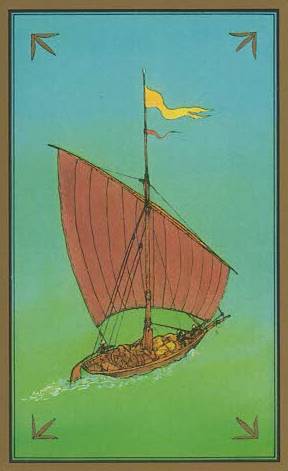
- The third series contained in the Persian tarot cards will be more based on the beliefs that each of us holds regarding the factor of luck and the visionary side that some of our dreams may have. Thus, whether these cards announce a future journey or the realisation of a project that we have been carrying for a very long time already, they embody the fulfilment of a hitherto unsatisfied desire. These cards are those of the boat, the paradise island, the hand of Fatima and the torches.
- The next series is not the most cheerful, as it corresponds to somewhat tragic moments that can come to disrupt our daily lives without warning. When these cards are drawn, it is obvious that they bode nothing good, but one must stay positive and tell oneself that these painful passages to come may be short-lived and that they will ultimately be one more life experience. These cards are those of the witch, illness and death.
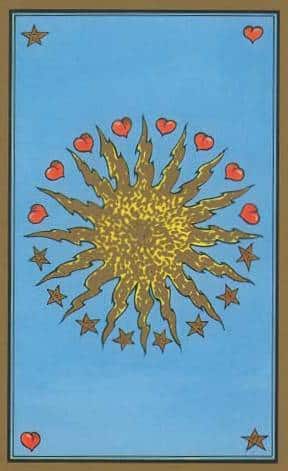
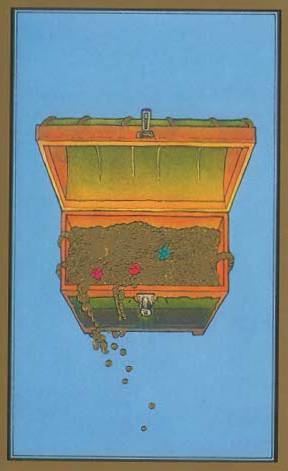
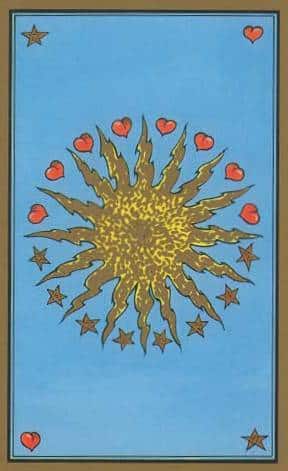
- Finally comes the series symbolising the happiness and fulfilment of a life, especially when we have achieved our ends by redoubling our tenacity in the face of trials. They are a sign of appeasement and serenity when they appear during a reading. These cards are those of the palace, the chest and the sun.
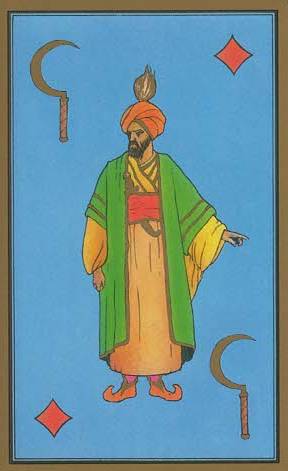
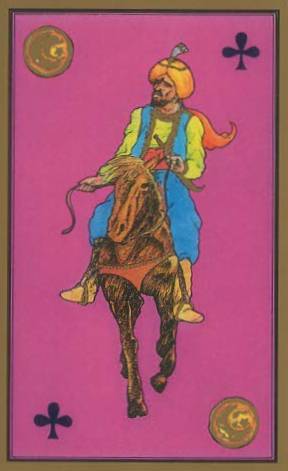
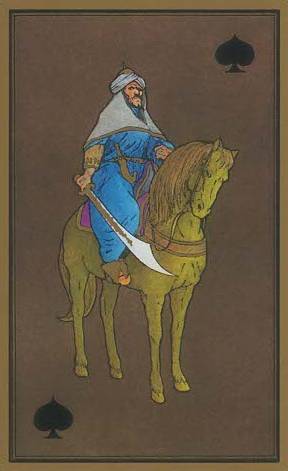
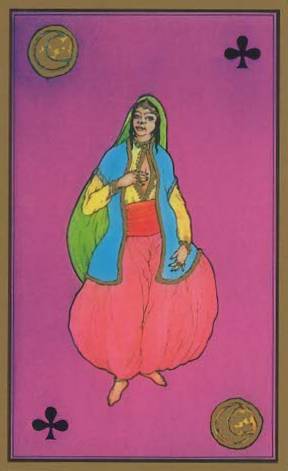
In complement to these major arcana, we find among these 55 cards, 16 cards named « intermediate ». They include characters already seen in cartomancy which are Kings, Queens and Knights, but also Aces.
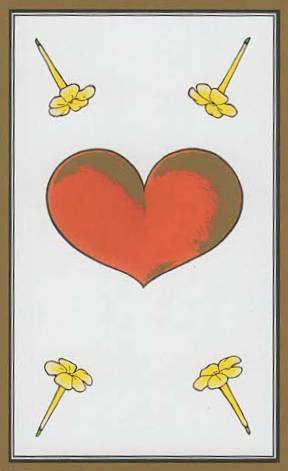
Then we come across 16 minor cards which represent the numbers 3, 5, 6, and 10.
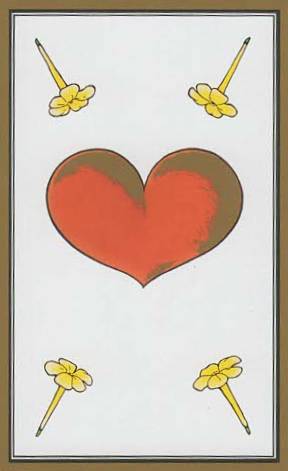
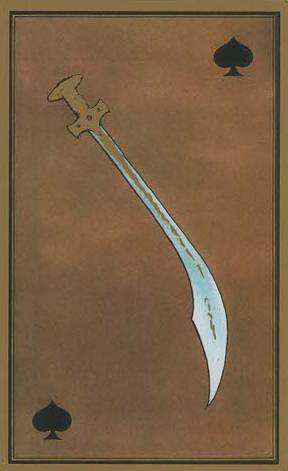
These 32 cards are divided into families named the shields, the sickles, the cemeteries and the hearts.
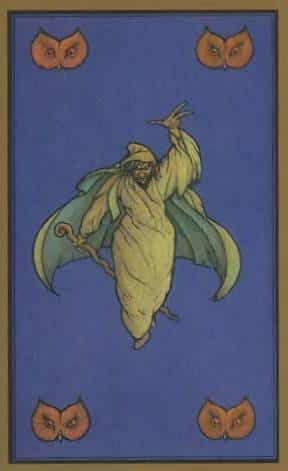
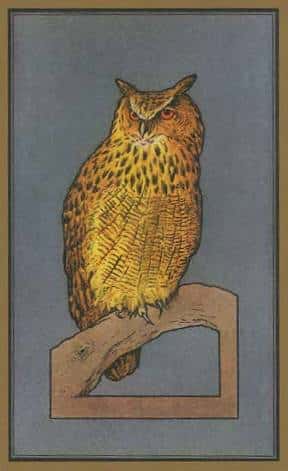
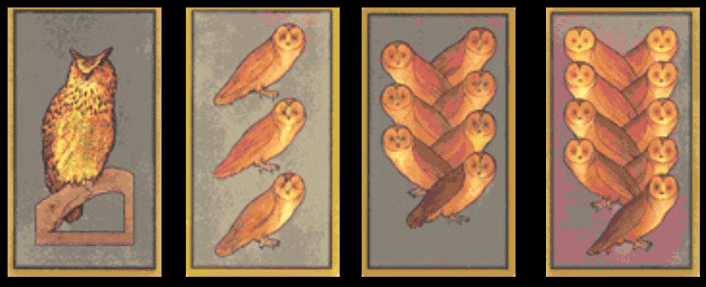
Finally, there are 4 cards called complementary in this Persian tarot. They are those of the 3, 7 and 9 of owl, as well as the owl card.
A reading performed with the Persian tarot
One can perform numerous divinatory readings with the help of the Persian tarot, but the most renowned and the one unique to it is called the Indira reading, in reference to its designer. To perform it, you will need 36 of the 55 cards. The 19 major cards, all the cards called intermediate mentioned above, as well as that of the owl.
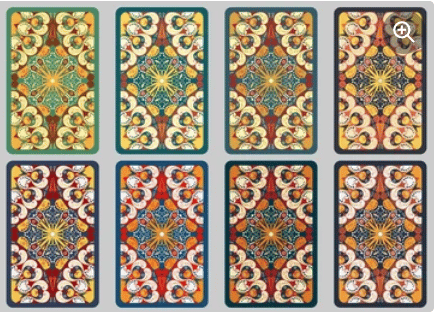
After you have shuffled the cards, you will cut them, and this, always using your left hand, which is the one representing the heart.
Then your querent will draw 7 cards from the deck, which you will lay out face down, flat on the table in a first first row with cards 1, 2 and 3. A second row below with cards 4, 5 and 6. Then you will place the 7th card just below card no. 5.
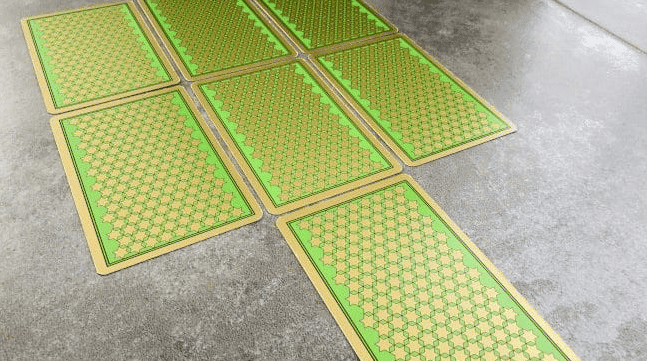
Then will come the crucial moment of the reading and interpretation of these 7 cards. You will turn them over one by one and scrutinise them at length before intervening, in order to grasp as best you can what they will have to reveal according to their representations, meanings, symbolism, but also their positions in this reading.
- The card no. 1 will represent everything relating to the emotions and feelings of the querent.
- The card no. 2 will embody everything that relates to the material possessions and values of the querent.
- The card no. 3 will speak of everything that can be favourable to them in their near or distant future.
- The card no. 4 will give information about their emotional relationships with those around them.
- The card no. 5 will indicate information of a strictly professional nature.
- The card no. 6 will symbolise everything that proves positive in their daily life, present and future.
- The card no. 7 will bring the luck factor during this interpretation of the cards.
It must be well understood that such a divinatory reading is not a game to be taken lightly. It will require a great deal of intuition and psychology from you to manage to read then interpret what the cards have to reveal. For this, you will need to know them all by heart, to grasp their subtleties and also to know how to handle them with much tact and finesse. Then, you will be able to predict the future to a querent with mastery and pragmatism.
Meaning of the 36 cards of the Persian Tarot
You will also like

SOMMAIRE