Free 32-Card Reading
Tarot Ana offers you a 32-Card Reading of cartomancy, performed by our Cartomancer.
Choose your cards and discover your complete future right away!
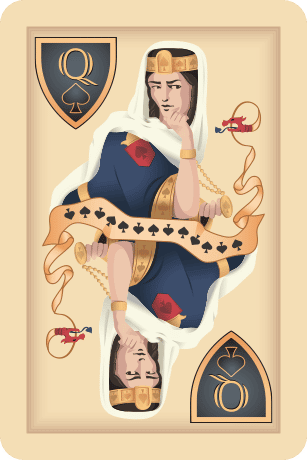
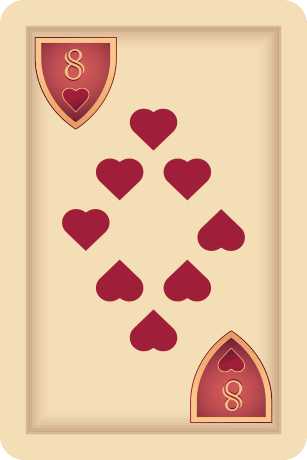
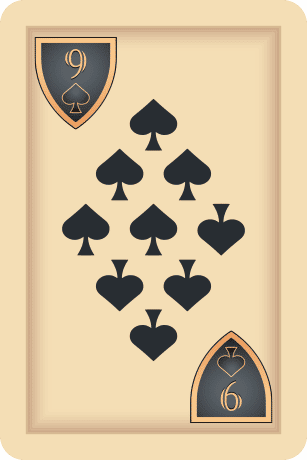
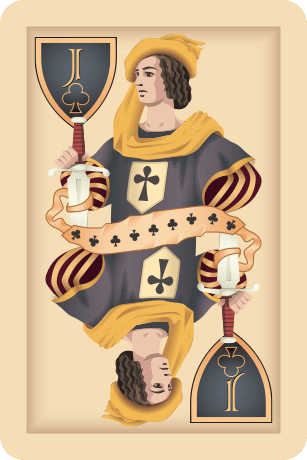
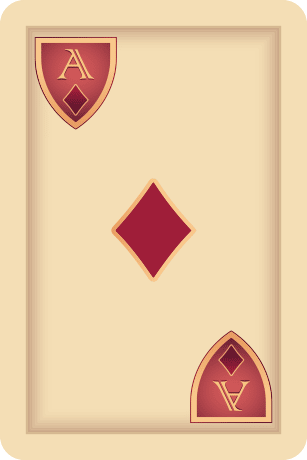
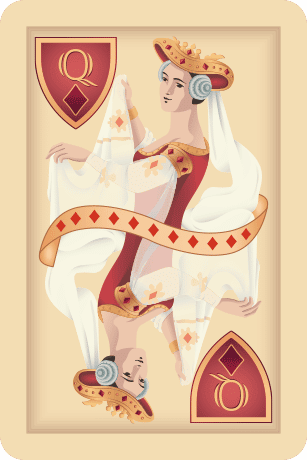
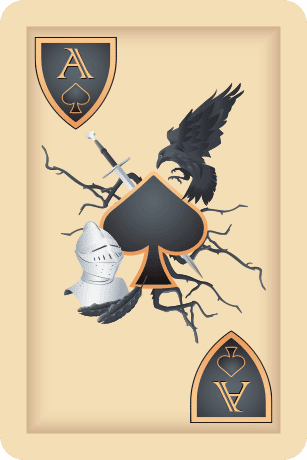
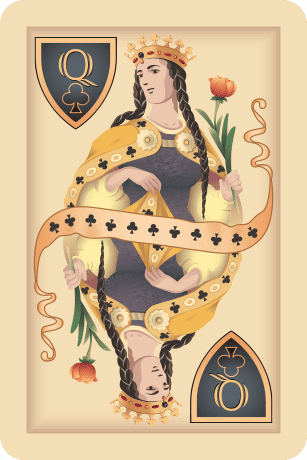
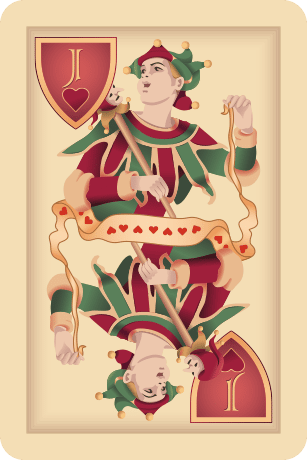
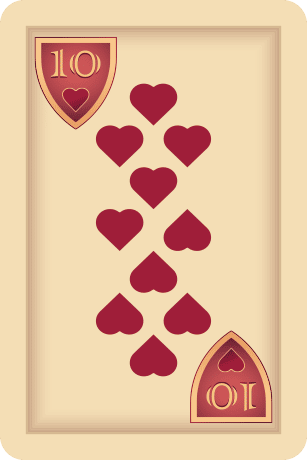
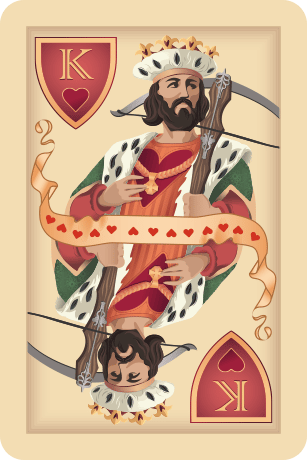
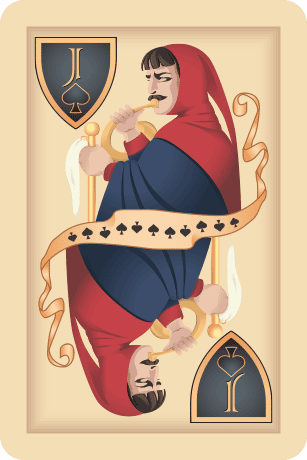
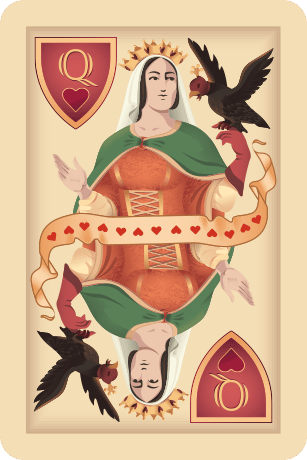
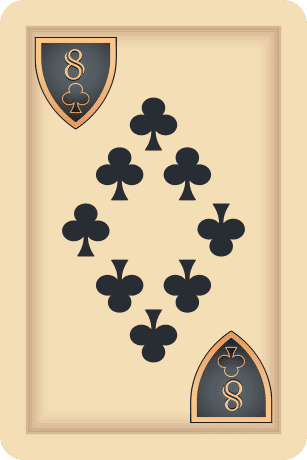
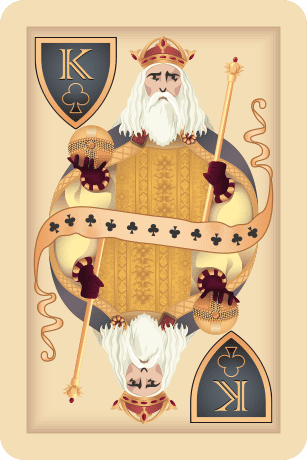
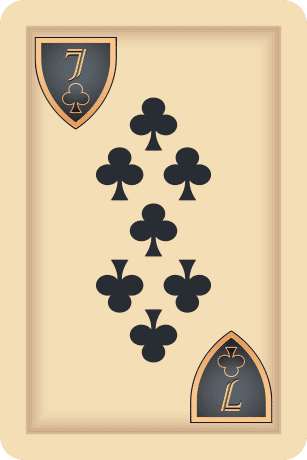
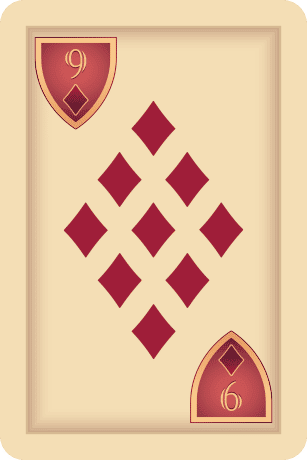
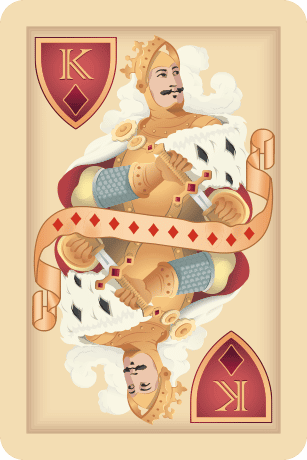
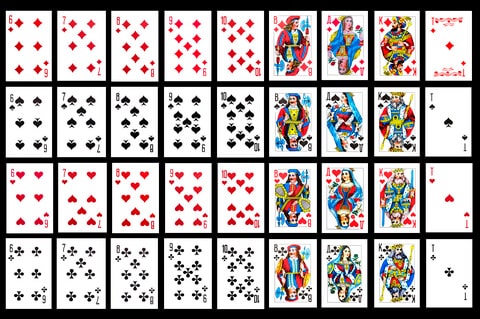
32-card cartomancy readings
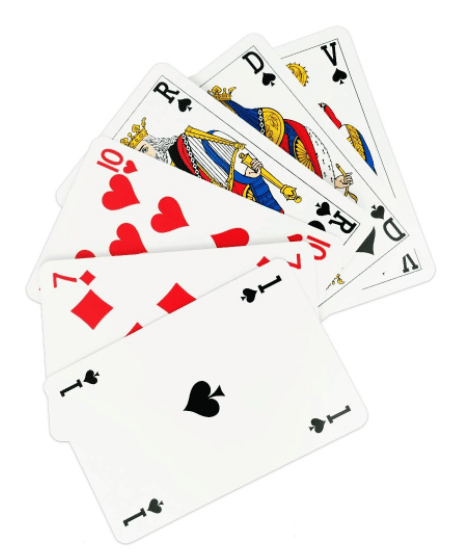
The horoscopes of all kinds found in various magazines and radio shows may well enjoy real success, yet they remain very shallow when it comes to genuine predictions of the future. To obtain something truly concrete, you must turn to psychic reading.
In the divinatory art of cartomancy, it is the cards of a deck that must be interpreted during a reading. While the traditional deck of cards is usually made up of 52 cards, on certain readings only 32 of them are used. These are more condensed readings that go straight to the point.
Cartomancy since its origins
It is often said that divination through cards would draw its origins from ancient Egypt, but this is not the case. It was the Romani people who, first of all, used decks of cards to display their many gifts of clairvoyance to the public. We are in the 14th century, and these nomadic people who gathered bohemians and gypsies found themselves at the gates of Europe, with countless makeshift caravans.
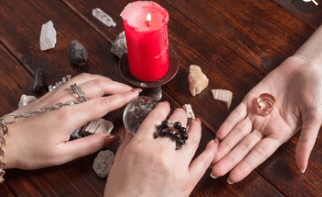
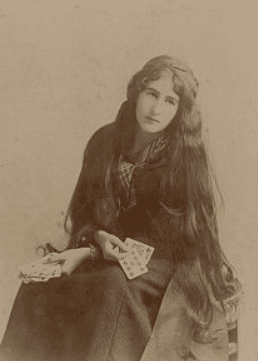
The gifts of extrasensory clairvoyance possessed by many bohemian women of the open roads were until then used in reading the lines of the hand. But it was by spending some time, a little earlier, among the Muslim peoples of the Arabian peninsulas that they discovered the decks of cards these had bought from merchants who came from India and China along the Silk Road. And very quickly, success was there.
For the first time, these very poor peoples living on the roads in large families were able to earn a little money. Indeed, the divinatory reading through cards became fashionable and everyone wanted to have their future foretold by a fortune teller.
The various decks that make up cartomancy
The traditional deck of cards that the bohemian women used at the time is the same one we use today. It is a deck made of 52 cards, divided into 2 colours which are red and black. These 52 cards are also divided into 4 suits which are Hearts, Diamonds, Clubs and Spades. Each of these suits is made up of 13 cards, starting from the Ace up to the 10 and ending with a Jack, a Queen and a King.
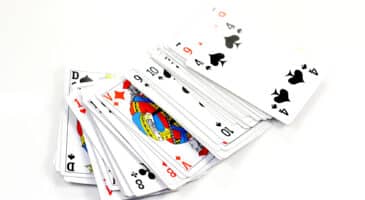
While it is true that this deck of 52 cards was very widely used, it must be said that certain divinatory readings were performed with only 32 of these cards. Indeed, to go straight to the point and as quickly as possible, some seers would remove from the set all the cards from the 2 to the 6. The reading was therefore all the more condensed, but just as effective.
From the middle of the 15th century, cartomancy was shaken up by the appearance of a brand-new deck of cards that came from Italy: the tarot deck. Even more esoteric, the Tarot of Marseille remains one of its most famous to this day. Endowed with major and minor arcana, which are all cards symbolising characters and subjective figures relating to human nature, the divinatory readings performed in tarot reading took on a far more psychological turn than in cartomancy.
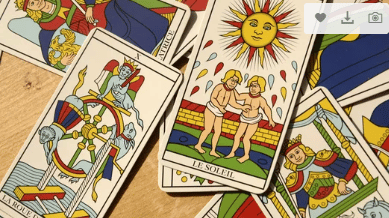
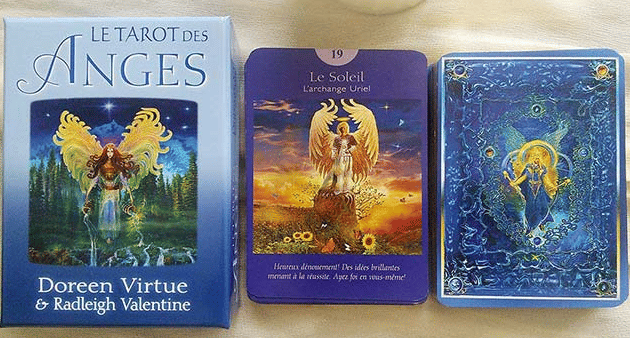
Following the success achieved by the Marseille tarot, many other tarot decks were to come into being. Thus, we witnessed the creation of the Oracle of Belline, under the influence of Mlle Lenormand, a famous seer of the 18th century, and of her disciple, the magus Edmond, but also the English Rider-Waite tarot, the Persian tarot, the tarot of the angels, and many others.
The 32-card cartomancy readings
Despite the contribution of all these tarot decks that somewhat shook up the world of the divinatory art through cards, the traditional deck of cards was still just as widely used during readings, and it can be said that it was present in almost every household in France. Each of the 52 cards in this deck has its own meaning, and its position during a reading will also have a great deal to say during the seer’s interpretation of them.
If some prefer to reduce the deck to 32 cards, it is understood that this is to get straight to the essentials, during less complex readings that are nonetheless just as effective at predicting a person’s future. There are many readings carried out with the 32 cards of a traditional deck. Here are a few of the most widely used.
The Dog of Spades
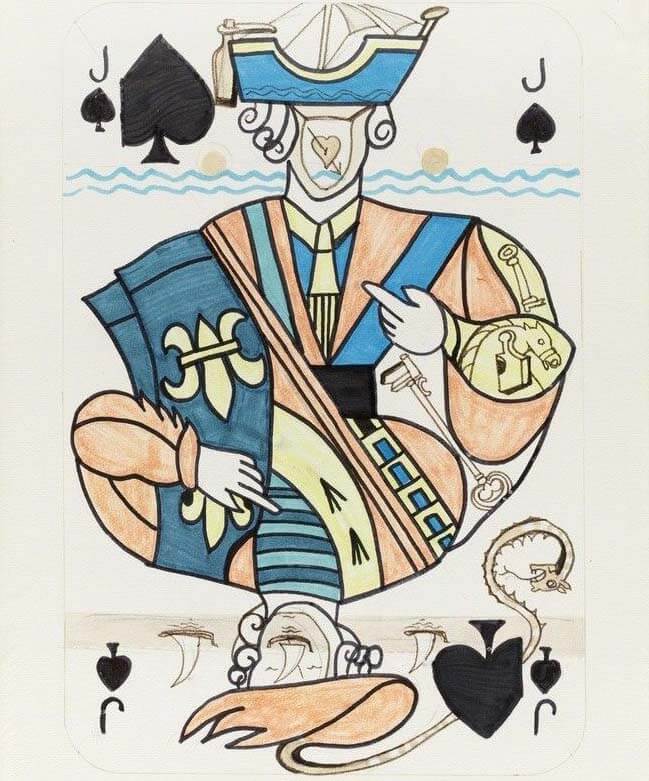
This is one of the most widely used readings, as it has the ability to be quick to perform, but also very accurate in the predictions it returns to the querent during the interpretation of the cards. It has the particularity of highlighting the Jack of Spades, but also the 10 of Spades, the Ace of Hearts, the 7 of Clubs, the 9 of Clubs and finally the card of the person concerned.
You will of course need to shuffle the cards, then cut them and draw them in groups of 2. Once laid out in front of you, you must keep only the pairs in which you can see one of the major cards mentioned above. Your reading can then begin.
Among these groups of 2 cards kept, the major card indicates what you will refer to regarding the querent’s many questions, and the second answers their questions concerning their future. Each of the major cards signifies an established fact. The Jack of Spades will predict an upcoming event in the short term, and the 7 of Clubs will express their current emotional feelings, for example.
Crossed cartomancy
Also called the game of the cross, it is an effective reading for answering questions concerning the future of the person involved. It deals with themes that are dear to us all when it comes to horoscopes, namely love, work, health and money. Greatly inspired by the cross reading of Mlle Lenormand, which is the most widely used in tarot reading, this crossed cartomancy reading is centred on one of the cards the querent will have chosen to represent themselves.
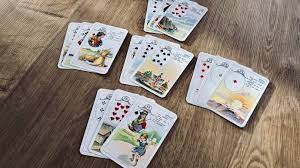
Once this card has been removed from the set, you can then shuffle the rest and cut them. You must then draw 6 from the set, face down, which you will lay out on the table in the shape of a cross.
The first card will go to the left and will represent what corresponds to them. The second will go to the right and will indicate what will soon work in their favour. The third will be placed at the top and will designate what is favourable to them. The fourth will go at the bottom and will embody everything that will be able to help them. The fifth will be placed in the middle and the sixth to the right of the second. They will both inform them of everything that may be unfavourable to them very soon.
The yes-no answer
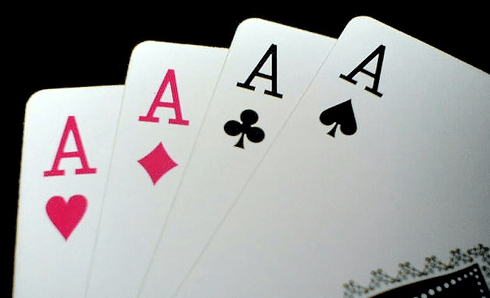
As its name suggests, this reading is one of the most perfect for answering you on the spot about an everyday question. After having shuffled and cut the cards, you will need to draw the first 13 of the set, and set aside any Aces found. You will proceed in this way 3 times in a row, and if, in the end, you have managed to draw out the 4 Aces, the answer is positive. Otherwise, it is necessarily negative.
You might also like

SOMMAIRE