Yes or No Cartomancy (true or false)
Practising fortune-telling with a traditional deck of cards is what is known as cartomancy.
This divinatory art, which lies at the origin of the Tarots and other Oracles of every kind, appeared in the Middle Ages, from the hand and intuitive mind of certain Gypsy fortune-tellers of the time.
Still used today, cartomancy is carried out through numerous spreads, each having their own specificities and their own messages to reveal to those who consult. Some of these spreads are delicate and therefore need to be performed by a cartomancer. Others, on the contrary, are among the simplest to do yourself : this is the case with the Yes or No cartomancy spread.
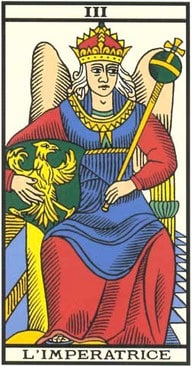
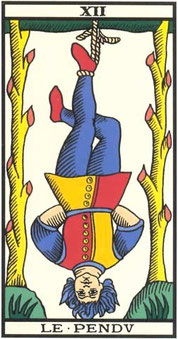
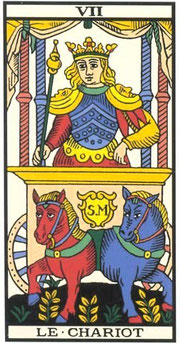
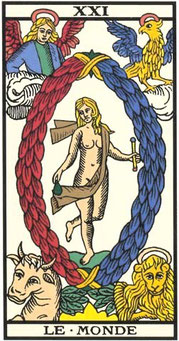
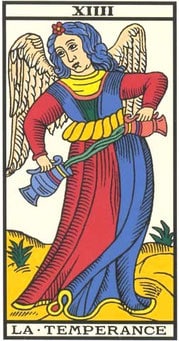
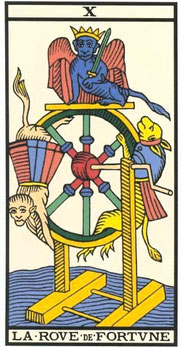
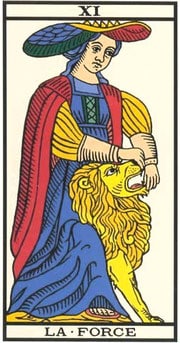
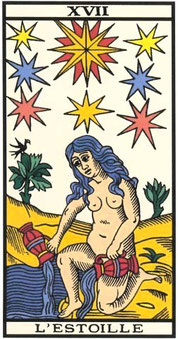
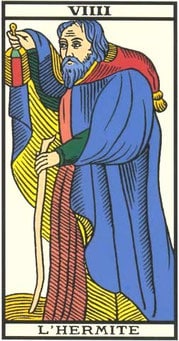
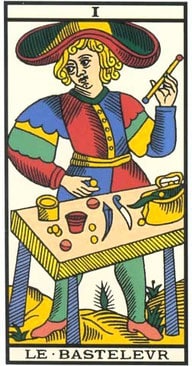
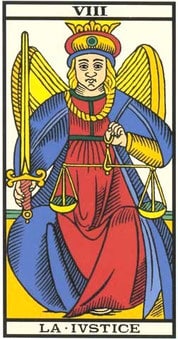
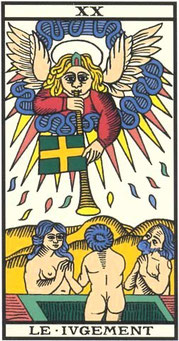
✨ Yes ✅ or No ❌ Tarot Spread: Learn how to do it with this simple method!
An immediate answer to a question asked
In most cases, all fortune-telling practices serve to predict the future of a person consulting. Thus, the sessions, whether performed by a tarot reader, a palm reader or a crystal-ball reader, generally last a minimum of one hour, during which the seer unveils not only the consulter’s future , but also buried fragments of their past and current episodes of their present, to which the latter will have made the mistake of attaching no importance.

A fortune-telling session is therefore an in-depth work, in which the practitioner dissects the consulter’s personality in depth in order to deliver the secrets spoken by the cards, the lines of their hand or the inside of the crystal ball, for example.
But there are cases of fortune-telling which, although rarer, are carried out more quickly and bring the consulter only one single answer to a question asked.
As regards the divinatory art through cards, it is with the Yes or No cartomancy spread that this type of fortune-telling is practised. But for this, the question asked by the consulter must be extremely precise, and above all must not be repeated within the same day.
To do this, there are several variants of the Yes or No cartomancy spread, of which here are some of the best examples :
The 4 Aces method
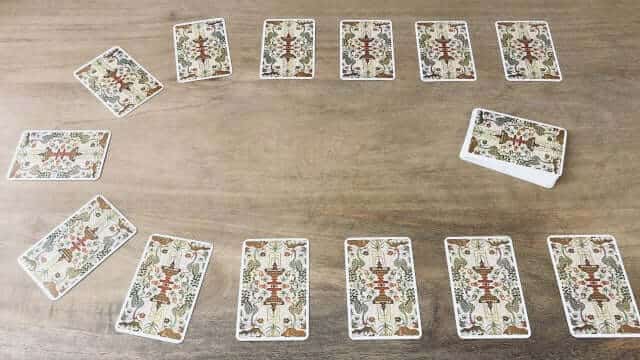
You will therefore first need to think about the best question to ask the cards, and to concentrate hard on it so that the vibrational energy surrounding you fills with your request.
Once this is done, you will shuffle the 32 cards of your deck, so that they all end up well dispersed.
Then you will cut them, and draw the first 13 cards of your pack.
From these 13 cards, you will set aside the Aces that you have found.
Then you will shuffle the 2 packs again, cut once more, and again draw the first 13 cards from which you will take the Aces, if there are any.
This operation will be repeated a 3rd and final time, before the cards reveal the answer to your question asked.
Indeed, if you find yourself in possession of the 4 Aces of the complete deck, then the answer to your question is Yes. And of course, otherwise the answer is No.
The pyramidal Yes-No spread
It is performed with only 3 cards that you will have drawn at random from the deck reduced to the 32 core cards.
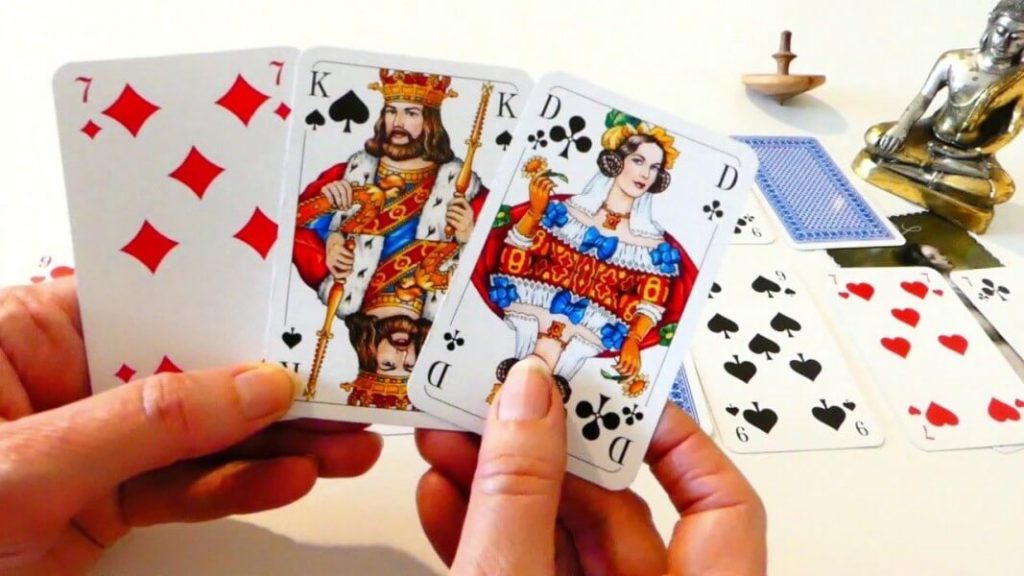
On your left, the Yes card will be placed, on your right the No card, and in the top middle the one that will indicate the trend according to its meaning.
Of course, in this present case, you will need to know the meanings of each of the 32 cards in order to be able to analyse the 3 you will have drawn, and find the answer to your question.
But whether it is an opening or rather a blockage, the answer to your question holds at least for the day. That is to say that you will have to wait until the next day to ask the cards your question again.
The reversed Aces spread
Here, you will need to shuffle your 32 cards as well as possible both upright and reversed, because that is what makes the specificity of this spread.
This shuffle may therefore take a little more time, but it is therefore important to carry it out efficiently so that some cards can be reversed, and above all well mismatched from one another.
Once this is done, you will need to remove the 4 Aces from your pack, and set them aside flat on a table and above all in the direction in which you drew them.
Thus, you will find yourself with your 4 Aces spread out before you on the table, and it is now that they will reveal the answer to the question that has been troubling your mind for far too long already.
Indeed, if these Aces in an upright position are in the majority, then the answer to your question is Yes. But if they were mostly reversed or upside down, your answer would then prove negative. And in the case where you find yourself with as many upright Aces as reversed ones, then the answer would be divided and uncertain, and it would mean to signal to you something like a « maybe » … Once again, this answer will be valid for the whole day, and you will only be able to question the cards with this same question the next day; that is the rule of Yes-No.
The Clubs-Spades spread
This spread is therefore practised only with the 8 core cards of the Clubs and Spades suits, which are the Ace, 7, 8, 9, 10, Jack, Queen and King. This means that you end up with 16 cards in your hands. Here again, your 16 cards must be well shuffled together, or beaten as it is said in the language of cards. Once well dispersed among themselves, you will then need to draw 7 of them from your pack, which you will line up in front of you flat on a table. 7 cards, because the number 7 is the best odd number one can find owing to its highly mystical symbolism in esotericism, which therefore makes it a number sacralised by many civilisations since the dawn of time. The moment will then come to turn over your 7 cards. If you found yourself with a majority of cards from the Clubs suit, the answer to your question would be Yes. But if, on the contrary, the Spades were in greater number, the answer to your question would prove to be negative. In any case, no « maybe » with this spread, which therefore leaves no room for ambiguity.
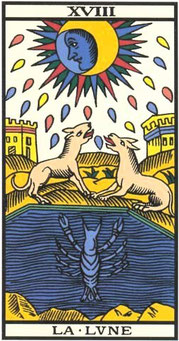
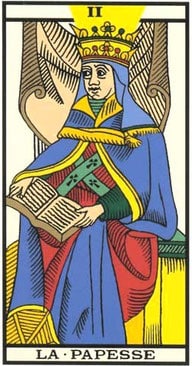
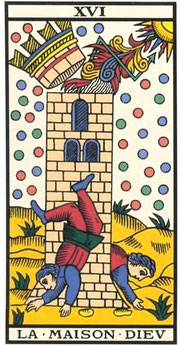
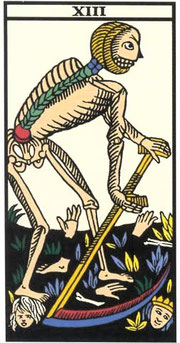
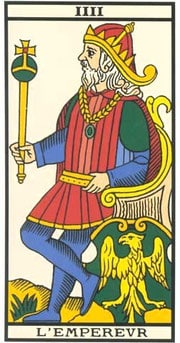
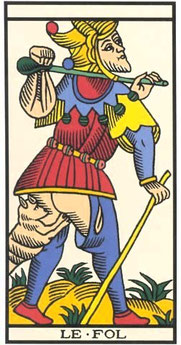
There are also numerous Yes-No spreads in tarot reading, which are therefore carried out with a Tarot of Marseille or an oracle such as the Belline oracle, for example. While these spreads are more complex due to the even more mysterious meanings of each of their cards, the answers they offer to consulters’ questions are no more detailed, and therefore they too answer with simple Yes or No.
You will also like

SOMMAIRE