How to learn cartomancy
Of all the different practices that make up the world of clairvoyance, the one that has stirred people’s imagination the most since its creation is cartomancy. This divinatory art, which allows a person’s future to be read through the cards, is indeed still the most popular today.
This is most certainly due to the cards themselves, which are as fascinating as an illustrated book, but also to the singular spirit of the cartomancers, who were long known as fortune tellers. So how does one go about learning cartomancy in turn?
The origin of playing cards
You have to go back a little more than 2 millennia to find the first traces of playing cards. And more precisely to the East, where they appeared between ancient India and China. None remain today from that era, but we know, thanks to old Sanskrit writings, that they accompanied the game of dice.
It would take several centuries for caravans of merchants to bring them into the Arabian peninsulas via the famous Silk Road. A little later still, they finally appeared in Europe, in the form they still have today. That is to say with 52 cards, in red and black colours and split into 4 distinct suits that are Hearts, Spades, Diamonds and Clubs.
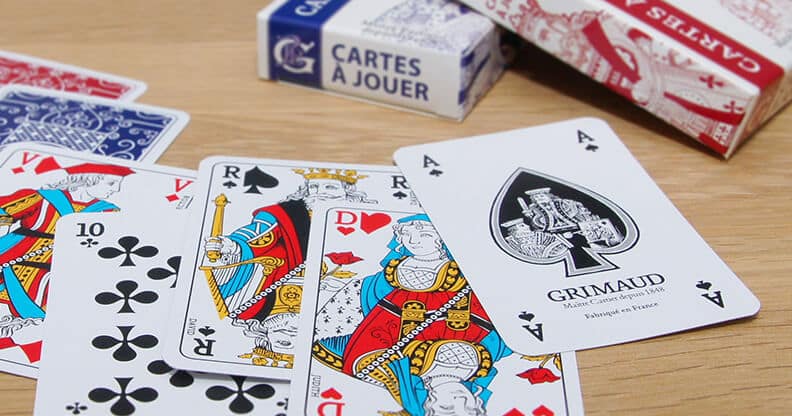
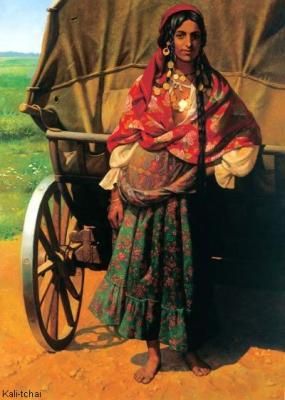
Numbered from the Ace to the 10 and complemented by a Jack, a Queen and a King, these suits would very quickly intrigue the nomadic Roma populations recently arrived in Europe. Indeed, it was the Bohemians of the open roads who would see in the deck of cards a new way to express their talents as seers at the dawn of the 14th century.
What is cartomancy?
The practice of cartomancy is divination through cards. While we are supposed to believe that, since its creation, the fortune tellers all possessed a real gift of clairvoyance, we can say today that there is no need to have a 6th sense to practise it. Indeed, we are nowadays far removed from the somewhat theatrical side that card readings of the past could take on, and modes of clairvoyance in general are far more pragmatic and rational.
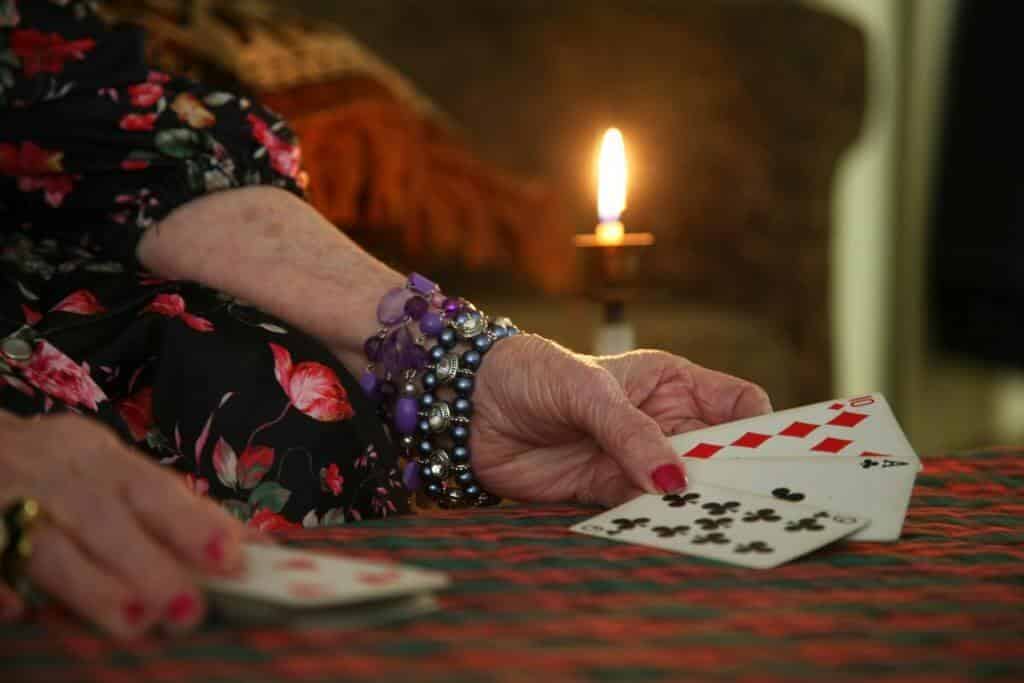
Thus, it is now intuition and open-mindedness that prevail when practising cartomancy, with a good dose of psychology in order to be as attentive as possible to the person concerned by a session of divination by cards.
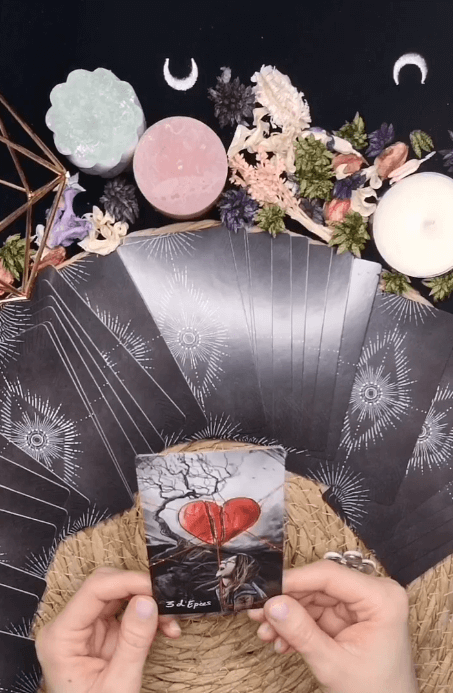
Cartomancy is the reading and interpretation of the cards during a divinatory reading. It gives a person answers about their life path, but also about their future. The meaning of each of the cards included in a deck matters in order to read and interpret the events to come in a destiny.
It is closely associated with astrology and numerology which are, moreover, distinct divination practices. There are no real training courses to learn the practice of cartomancy, even though a few online sites can be found on the web today. This learning will therefore have to be done through a long personal effort to know the meanings of each of the cards in a complete deck.
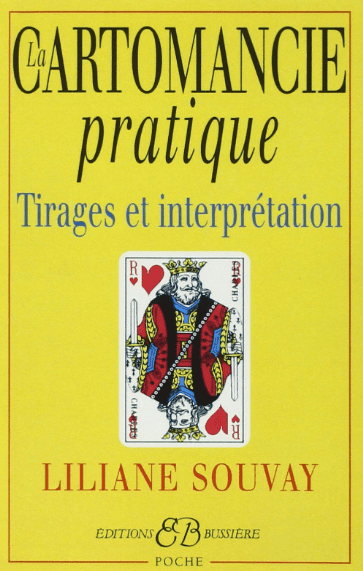
There are many books on the subject in specialist bookshops or on Amazon, and they will be a valuable help to train on your own. Not only on the cards, but also on the gestures to adopt when you find yourself with the cards in your hands. These gestures must be as delicate as they are technical and precise. Furthermore, it is a great deal of patience and concentration that aspiring cartomancers will need to show.
The different card decks in cartomancy
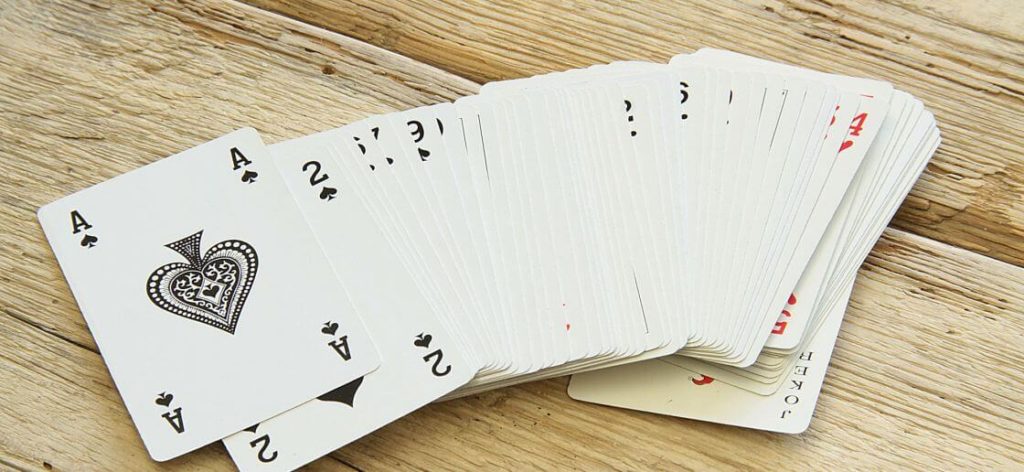
As we have just seen, the traditional deck in cartomancy is the 52-card one. It is the most popular deck of cards in the whole world, but it is closely followed by the various tarot decks.
The most famous of these is the Tarot of Marseille. From its arrival in the middle of the 15th century, it shook up the conventions of cartomancy through its form and composition.
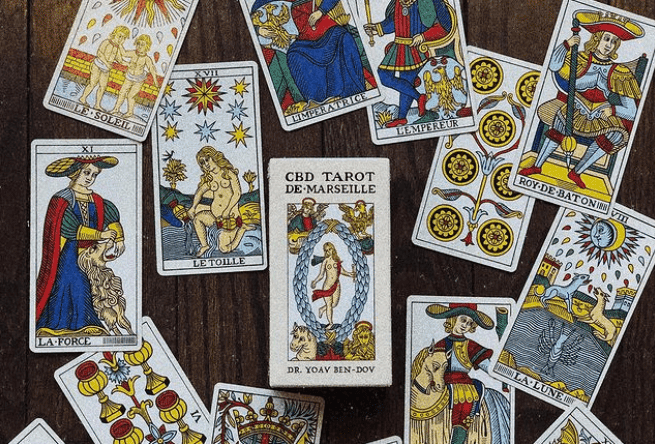
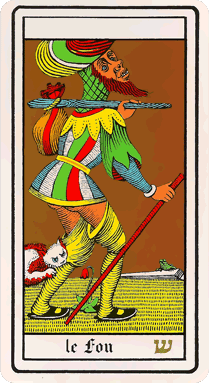
It must be said that its 78 cards are of a larger format, but above all that they are all printed with characters or subjective figures relating to human nature. So that when you place them end to end, one stuck to the next, the cards form the true initiatory journey of a life, carried out by the only one without a number, which represents the character of the Fool.
The 78 cards of the Tarot of Marseille are divided into 2 parts. The 22 Major Arcana which include the Fool and the 56 Minor Arcana which, while they are of slightly lesser importance, are perfect for describing the personality of a person concerned during a reading.
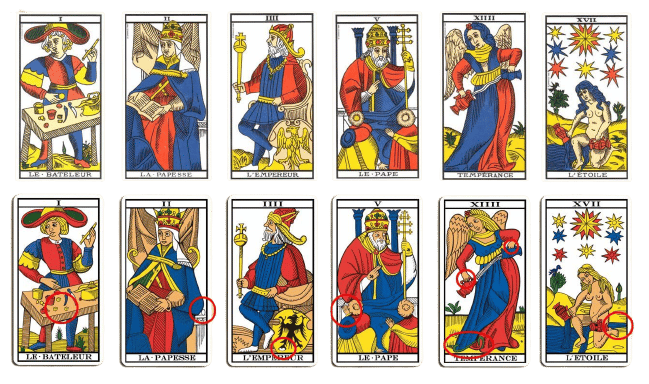
There are many other tarot decks, such as the Belline Oracle, the tarot of Mlle Lenormand, the Rider deck by Arthur Edward Waite, the Persian tarot, the Egyptian tarot, to name but a few. Each has its own particularity and each of their respective cards will have revelations to make during a divinatory reading.
The different readings in cartomancy
In the divinatory art of cartomancy, it is often the tarot decks that take precedence over the traditional deck of cards. This is why they are designated under their own name: tarology. But in both cases, it is in the form of a card reading that we will be able to read and interpret them in order to make predictions to a person.
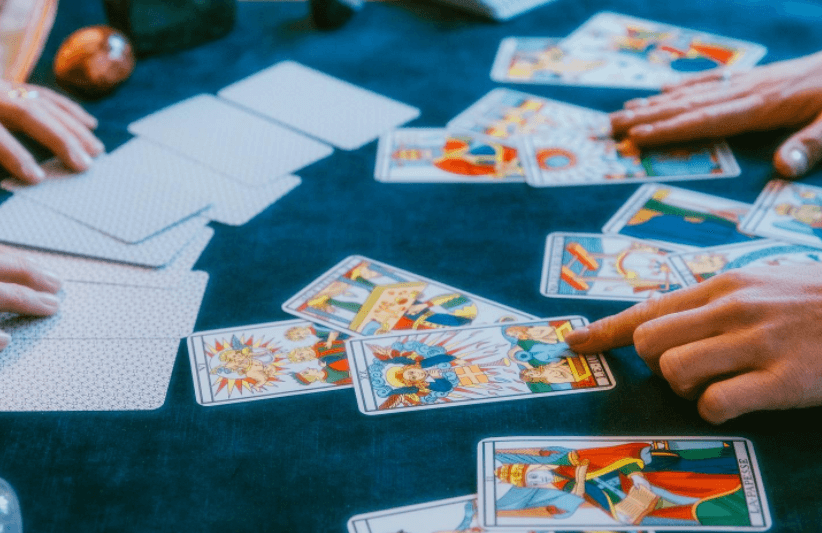
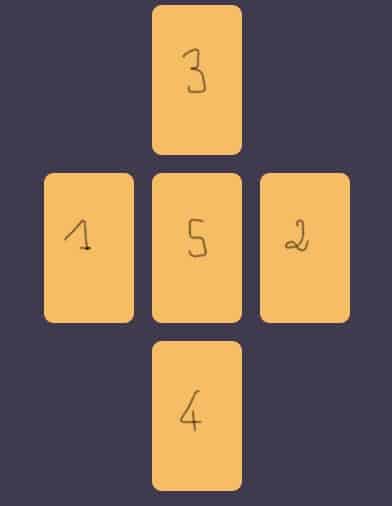
Once again, there is no official private course to train in these different reading methods, so it is in books that you will have to discover their ins and outs. One of the most widely used readings remains the cross reading, which is one of the most complete for bringing out parts of the past and of one’s future for a querent. But there are many others to be found, such as the famous yes-no reading, ideal for quickly answering 1 question asked.
You may also like
SOMMAIRE